Uzbekistan’s spiritual heritage is strongly shaped by Sunni Islam, especially Hanafi traditions and the historical influence of Sufism, alongside Jewish, Christian, and pre-Islamic cultural layers. Understanding Uzbekistan through religion and sacred heritage gives a clearer picture than treating culture only as food, tourism, or national symbols.

Religious traditions and everyday practice
Bukhara and Samarkand were major centers of Islamic scholarship, trade, and religious learning. The Naqshbandi Sufi tradition is closely associated with the region, and pilgrimage to respected scholars’ tombs remains part of devotional culture for many people.
Sacred places and religious heritage
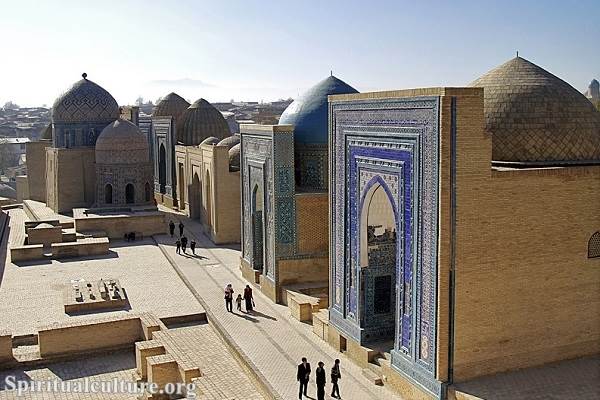
Historic mosques, madrasas, mausoleums, and shrine complexes form an important part of Uzbekistan’s sacred architecture. The country also preserves the heritage of Bukharan Jewish communities and Orthodox Christianity from the Russian imperial and Soviet periods.
Festivals, rituals, and community life
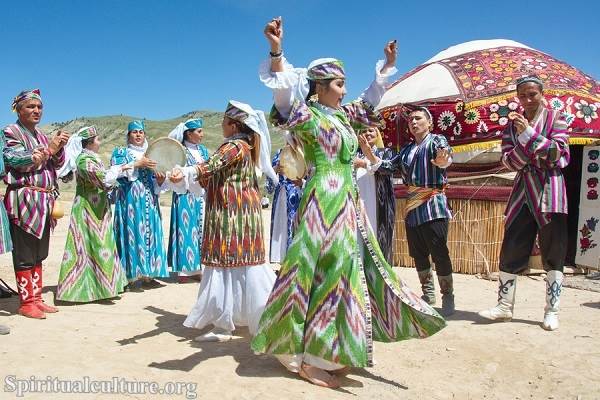
Ramadan, Eid, pilgrimage, Qur’anic learning, family rites, and visits to sacred graves coexist with seasonal traditions such as Navruz. Soviet secularization changed religious institutions but did not erase community memory.
Living spiritual culture
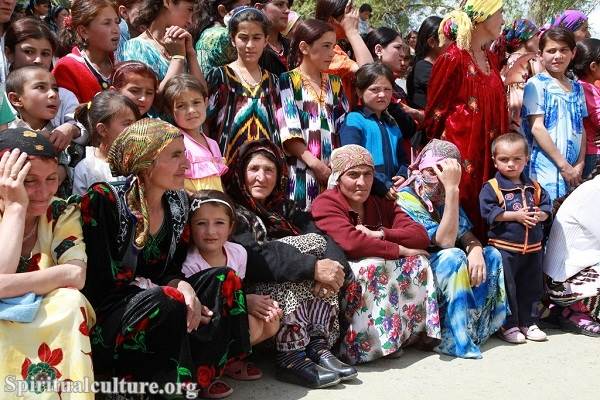
Uzbekistan’s spiritual culture is best understood through the revival and reinterpretation of Islamic heritage after the Soviet period, together with the preservation of minority and Silk Road religious histories.
Religious diversity in context
Most Uzbek Muslims belong to Sunni traditions historically associated with the Hanafi legal school, while Sufi scholarship and pilgrimage have left a deep mark on the religious culture of Central Asia. Soviet rule severely restricted religious institutions, but mosques, Islamic learning, pilgrimage, and public religious identity revived after independence within a regulated state framework.
Uzbekistan also has Russian Orthodox, Jewish, and other minority communities. Bukhara in particular is associated with the history of Bukharan Jews, while cities such as Samarkand and Bukhara preserve monuments connected with Islamic scholarship, Sufi saints, and Silk Road exchange.
Festivals, pilgrimage, and sacred memory
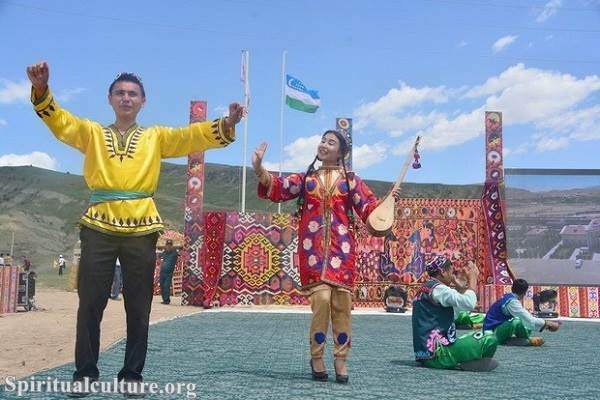
Ramadan and Eid are important Muslim observances, while Nowruz has a broader cultural history across Central Asia and should not be treated as an exclusively Islamic festival. Visits to saints’ tombs and historic religious complexes continue to connect pilgrimage with local memory and family practice.
Uzbek sacred heritage is therefore both living and monumental. Famous madrasas and mausoleums are architectural landmarks, but their significance is best understood alongside scholarship, devotion, pilgrimage, and the communities that preserved their memory.
Historical change and regional variation
Uzbekistan’s sacred heritage reflects Silk Road Islam, Sufi scholarship, historic Jewish and Christian communities, pre-Islamic traditions, and the significant effects of Russian imperial and Soviet rule. Since independence, mosques, pilgrimage places, and Islamic learning have re-entered public life within a strongly regulated institutional setting.
Reading Uzbekistan’s spiritual culture carefully
Historic monuments in Samarkand, Bukhara, and other cities are both heritage sites and reminders of living scholarly and devotional traditions. Contemporary practice differs by region and family, and official religious institutions do not capture every form of local pilgrimage or household custom.