Saudi Arabia’s spiritual culture is inseparable from Islam because the country contains Mecca and Medina, the two holiest cities in the Muslim world. Understanding Saudi Arabia through religion and sacred heritage gives a clearer picture than treating culture only as food, tourism, or national symbols.
Religious traditions and everyday practice
Muslim life is shaped by Qur’anic recitation, mosque worship, Ramadan, charity, Islamic learning, and the annual Hajj. The legal and institutional setting is strongly Islamic, while Muslim citizens and residents include different schools, regional traditions, and devotional practices.
Sacred places and religious heritage
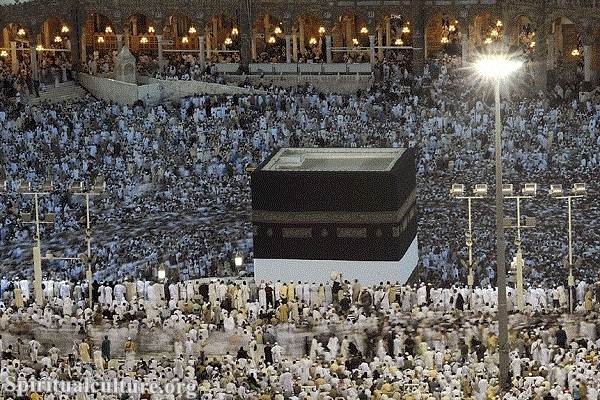
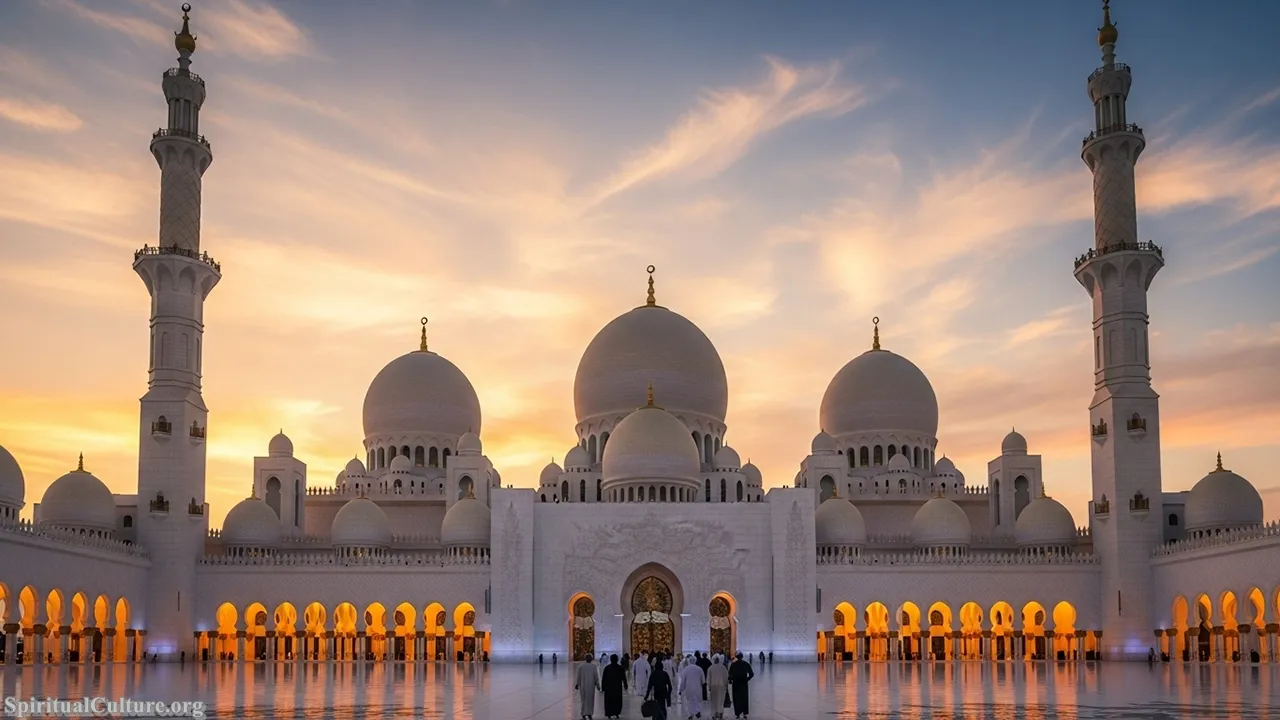
The Grand Mosque and Kaaba in Mecca and the Prophet’s Mosque in Medina stand at the center of global Islamic pilgrimage. Other places associated with early Islamic history include Mount Arafat, Quba Mosque, Mount Uhud, and numerous historic routes and settlements.
Festivals, rituals, and community life
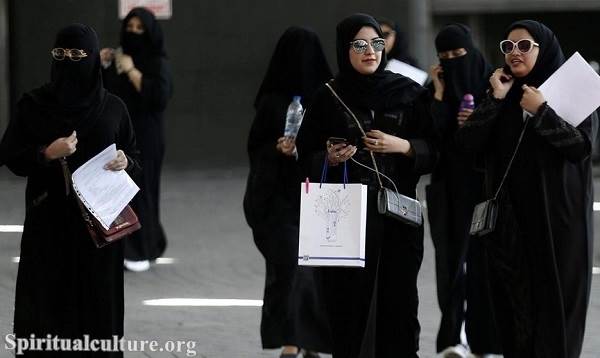
Hajj and Umrah bring Muslims from around the world into the country. Ramadan and the two Eids structure domestic religious life, while hospitality, Arabic coffee, dates, incense, calligraphy, and oral tradition also contribute to a wider cultural heritage.
Living spiritual culture
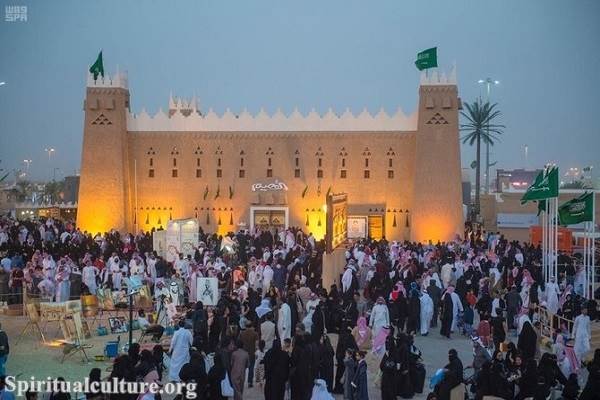
Saudi spiritual culture should be discussed with a distinction between what is sacred in Islamic theology and what belongs to national or regional cultural tradition. Both are important, but they are not the same category.
Religious diversity in context
Saudi Arabia occupies a unique place in Islam because Mecca and Medina contain the religion’s most important pilgrimage sites. Sunni Islam is dominant in national institutions, while Shia Muslim communities are especially associated with parts of the Eastern Province and maintain distinct religious traditions. Muslims from around the world also live and work in the country, bringing varied legal schools, languages, and devotional backgrounds.
Not every Saudi custom is a religious rule. Hospitality, poetry, clothing, tribal history, regional food, and social conventions may be culturally important without having the same status as Qur’anic teaching, prayer, fasting, or the rites of pilgrimage.
Festivals, pilgrimage, and sacred memory
Hajj and Umrah make Saudi Arabia a global center of Muslim pilgrimage. Ramadan, Eid al-Fitr, Eid al-Adha, Friday prayer, Qur’anic recitation, and mosque life structure the religious calendar, while the annual pilgrimage brings together Muslims from nearly every region of the world.
Mecca and Medina are living sacred cities rather than ordinary heritage attractions. Their religious meaning is defined by Islamic worship and law, and access to the holiest areas is governed accordingly.
Historical change and regional variation
Saudi religious life has been shaped by the centrality of Mecca and Medina, Islamic scholarship, pilgrimage, tribal and regional traditions, state institutions, and rapid social change. Hajj and Umrah also make the country a meeting place for Muslims from many languages, legal schools, and devotional backgrounds.
Reading Saudi spiritual culture carefully
Islamic sacred meaning should be distinguished from national custom. The Kaaba, the rites of Hajj, Qur’anic recitation, and mosque worship belong to a global Muslim religious framework, while clothing, hospitality, poetry, regional architecture, and social customs have more specifically Arabian or Saudi histories.