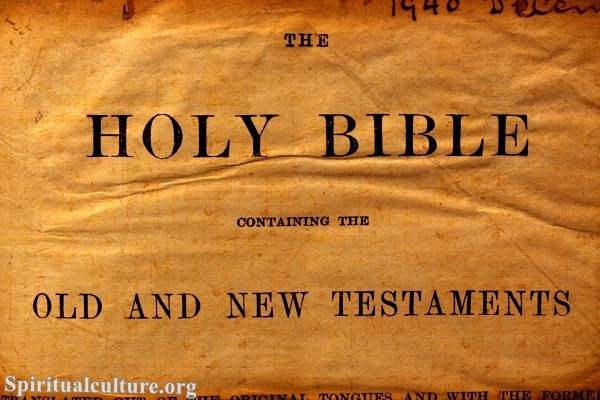
Greece occupies an important place in Christian history. Several communities addressed in the New Testament were located in Greek cities, and the Greek language became central to early Christian scripture and theology. In modern Greece, the Church of Greece and the wider Eastern Orthodox tradition remain highly visible in religious and cultural life.
Early Christianity in the Greek world
Christian communities developed in places such as Thessaloniki, Corinth, Philippi, and Athens during the first century. The letters of Paul and other New Testament writings reflect the importance of Greek-speaking communities in the formation of early Christianity. Over later centuries, Greek theology, monasticism, and Byzantine worship deeply shaped Eastern Christianity.
The Greek Orthodox tradition
The Church of Greece is an autocephalous Eastern Orthodox church, while some areas of the country are connected in different ways with the Ecumenical Patriarchate of Constantinople. Orthodox worship centers on the Divine Liturgy, the sacraments, icons, fasting, feast days, and the church calendar. Easter, known as Pascha, is especially important in Greek religious life.
Monasteries and sacred heritage
Mount Athos, Meteora, island monasteries, historic churches, and local shrines are major parts of Greek Christian heritage. These places combine worship with architecture, icon painting, pilgrimage, and monastic tradition. Their importance is religious as well as historical and cultural.
Christianity and national history
Orthodox institutions were closely connected with Greek-speaking communities during the Ottoman period and later with the formation of the modern Greek state. Because of this history, Orthodoxy can function as both a religious affiliation and a marker of cultural identity, though levels of personal belief and church participation vary.
Religious diversity
Greece also includes Roman Catholic, Protestant, Armenian Christian, Muslim, Jewish, and other communities. Migration has added further religious diversity. Contemporary discussions about religion involve questions of education, church-state relations, minority rights, and the place of inherited traditions in an increasingly plural society.
Christianity in Greece is therefore not only a story of ancient origins; it is a living and changing set of traditions shaped by Orthodoxy, regional history, minority communities, and modern social life.