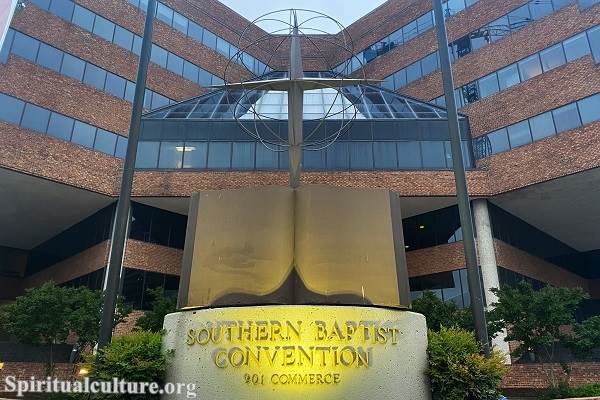
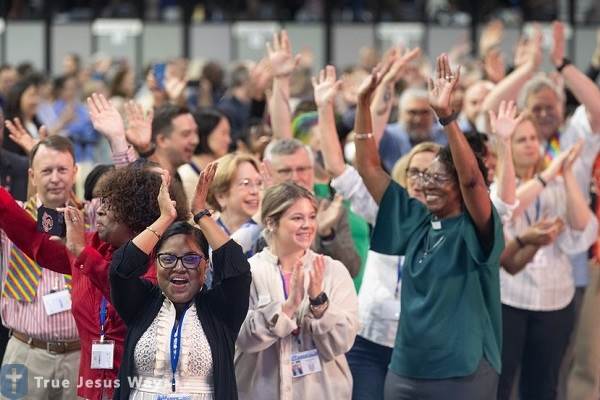
There is no single universally accepted current total for Protestants worldwide. The result depends on which churches are counted, whether independent and Pentecostal communities are included, and whether the figure measures membership, baptism, or personal identification.
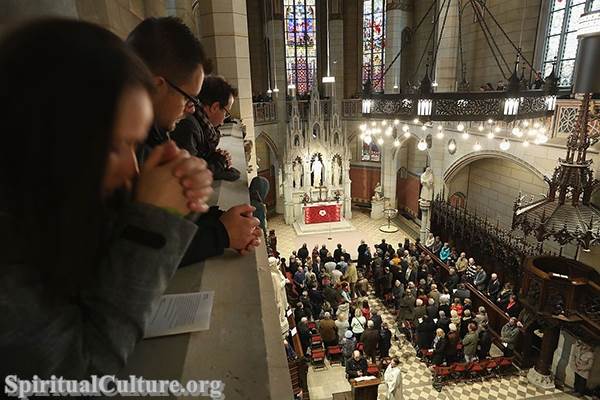
How many Protestants were counted in a major global study?
In its 2011 report Global Christianity: A Report on the Size and Distribution of the World’s Christian Population, Pew Research Center estimated about 801 million Protestants worldwide in 2010, using a broad definition. That represented approximately 37% of the Christians counted in that study. These are 2010 estimates, not a verified count for 2026.
Subsequent demographic revisions and the growth or decline of individual churches make it misleading to repeat this historical number as though it described today’s population exactly. Before comparing estimates, check their reference year and the definition of Protestant that was used.
Who is included under the Protestant label?
Protestant can describe many churches associated with the sixteenth-century Reformation and their descendants: Lutheran, Reformed, Presbyterian, Baptist, Methodist, Anglican, Pentecostal and numerous independent movements. Some counting systems classify Anglicanism separately or distinguish Pentecostal and independent churches from historical Protestant denominations.
These differences are not only statistical. Lutherans and many Anglicans, for example, understand baptism and the Lord’s Supper as means through which God gives grace. It is therefore incorrect to say that all Protestants reject sacraments as means of grace. Protestant traditions differ in worship, church leadership, biblical interpretation and sacramental theology.
Where do Protestants live?
Protestant communities are found on every inhabited continent. Sub-Saharan Africa, the Americas, Europe and the Asia-Pacific region are all significant centers of Protestant Christianity. Churches in Nigeria, Brazil, the United States, South Korea and many other countries illustrate how diverse the tradition has become.
Geographic rankings can change depending on whether a survey counts adherents, registered church members or respondents who self-identify as Protestant. Figures for a country’s entire Christian population should not be mislabeled as Protestant totals.
What should readers take from a global number?
For a historical reference, the approximately 801 million figure is defensible when explicitly dated to 2010 and attributed to Pew’s stated definition. It should not be silently extrapolated into a present-day total, and forecasts for 2050 should not be described as observed results. A more recent estimate would need to be compared on like-for-like terms before being substituted.
The enduring point is that Protestantism is a large and internally diverse family of Christian churches, not a single institution with one membership register. For its origins and theological variety, see the Protestant Reformation.