It is considered one of the most important events in European history and significantly impacted the development of modern Western societies.
Today, Protestantism is one of the major branches of Christianity, with more than 900 million followers worldwide. The Protestant Reformation continues to be remembered and studied for its far-reaching and enduring impact on European history and the modern world.
II. The Meaning of the Protestant Reformation
At the heart of the Reformation was the idea that individuals should be able to read and interpret the Bible for themselves and that the Church should not hold a monopoly on religious truth. This led to the creation of Protestant denominations, which rejected many of the traditional teachings and practices of the Catholic Church, such as the authority of the Pope and the concept of salvation through good works.
The Reformation also had a political dimension, as it was often fueled by opposition to the power and influence of the Catholic Church in various European countries.
III. Who started the Protestant Reformation?
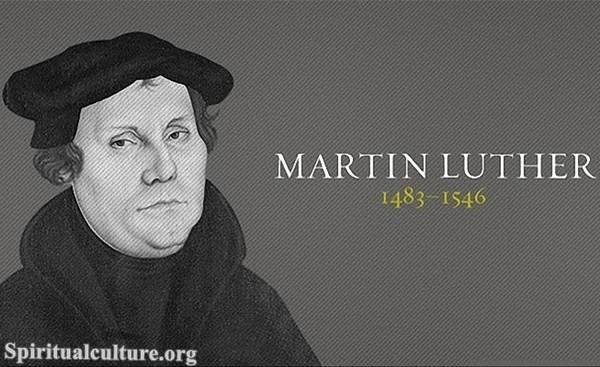
The Protestant Reformation was sparked in the early 16th century by Martin Luther, a German monk who challenged the Church’s teachings on salvation and the authority of the Pope. Luther’s ideas spread rapidly throughout Europe, and within a few decades, the Reformation spread to nearly every corner of the continent.
As the Reformation gained momentum, it led to a series of religious and political conflicts, known as the Wars of Religion, that raged across Europe for much of the 16th and 17th centuries. The Reformation also deeply impacted the arts and culture of the time, as it led to the creation of new forms of literature, music, and architecture.
IV. The major idea of the Protestant Reformation
The Protestant Reformation was a major 16th-century European movement marked by a series of events that challenged the authority and practices of the Roman Catholic Church.
At the heart of the Reformation was the belief that the Bible, not the Pope or Church tradition, should be the ultimate authority in matters of faith.
The Reformation led to the formation of Protestant denominations, which rejected the authority of the Catholic Church and established their own distinctive beliefs and practices.
One of the main ideas of the Protestant Reformation was the concept of “sola scriptura,” or “scripture alone,” which held that the Bible alone was the ultimate authority in matters of faith and practice, rather than the Pope or Church tradition.
Other key ideas of the Reformation included the priesthood of all believers, the doctrine of justification by faith alone, and the concept of the “priesthood of the believers,” which emphasized the idea that all believers had direct access to God through their faith.
Another major idea of the Protestant Reformation was the concept of “predestination,” which held that God had already determined who would be saved and who would be damned, regardless of their actions or beliefs. This idea was closely related to the concept of “grace,” which argued that salvation was a gift from God rather than something that could be earned through good works or merit. These ideas significantly impacted how Protestants understood and practiced their faith and were instrumental in developing Protestant theology.
The Protestant Reformation also had a significant social and political impact, as it led to more democratic forms of government and the rise of national identities in Europe. In many cases, the Protestant Reformation was closely tied to political and social reform movements, contributing to modern concepts of individual rights and freedoms.
Overall, the Protestant Reformation was a complex and far-reaching movement that deeply impacted Europe’s religious, social, and political landscape, and its legacy continues to be felt to this day.
V. The Importance of the Protestant Reformation
The Protestant Reformation had several far-reaching effects. One of the most significant was the creation of new forms of Christianity. Before the Reformation, the Catholic Church was the only form of Christianity in Europe. However, the reformers’ ideas led to the establishment of Protestant denominations such as Lutheranism, Calvinism, and Anglicanism. These new denominations spread rapidly throughout Europe and beyond and remain important religious traditions today.
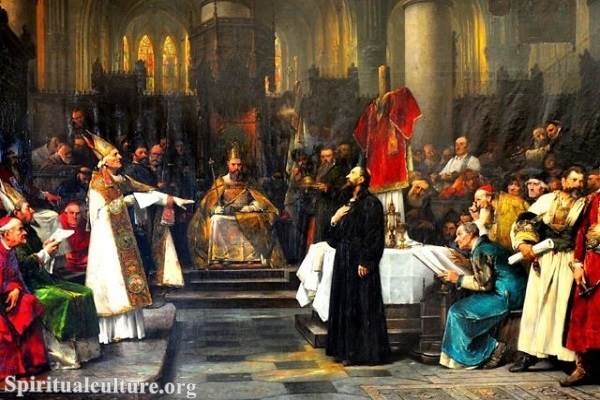
Another important effect of the Protestant Reformation was the increased emphasis on individual religious freedom. Before the Reformation, the Catholic Church had a great deal of control over the spiritual lives of European Christians. The reformers’ ideas, however, led to a greater emphasis on the idea that individuals should be able to choose their religion and interpret the Bible for themselves. This emphasis on individual religious freedom contributed to the development of modern democracy, as it helped to lay the foundations for the idea that individuals have the right to make their own decisions about important matters.
In addition to these effects, the Protestant Reformation also had significant political, economic, and social consequences. It led to the development of new forms of government and contributed to the decline of feudalism. It also had a major impact on the economy, as the growth of Protestantism led to the development of new industries and the rise of trade. The social consequences of the Reformation were also significant, as it led to the establishment of new forms of education and the spread of new ideas about the role of women and the family.
The Protestant Reformation was a major 16th-century European event that reformed the beliefs and practices of the Roman Catholic Church. It is important because it led to the development of Protestantism, a major branch of Christianity, and significantly impacted Europe’s religious, political, and cultural landscape.
The Protestant Reformation also had important political and cultural consequences. It contributed to the rise of nation-states and national identity in Europe, as people began to identify more with their nation than with the Catholic Church. It also led to the development of new forms of art and literature that were more focused on individual expression and personal experience than traditional Church themes.
Overall, the Protestant Reformation had a significant and lasting impact on the history of Europe and the world. It continues to shape the beliefs and practices of Protestant Christians today.
Three major events of the Protestant Reformation
Here are more details about the three major events of the Protestant Reformation:
1. The 95 Theses
Martin Luther’s 95 Theses were a series of statements that criticized certain practices of the Catholic Church, particularly the sale of indulgences. Indulgences were a way for people to reduce the time they believed they would spend in purgatory after death by performing certain good works or making financial contributions to the church. Luther argued that forgiveness and salvation come from God alone and that good works and indulgences cannot purchase them. He also criticized the Church’s use of Latin in worship, which made it difficult for many laypeople to understand what was happening. The 95 Theses were written in Latin and were originally intended for a small audience of academics and clergy. Still, they were quickly translated into German and circulated widely, sparking a widespread debate about the teachings and practices of the Church.
2. The Council of Trent
The Council of Trent was an ecumenical council, or meeting of bishops, called by the Catholic Church in response to the Protestant Reformation. The council was held in three parts, from 1545 to 1563, and made several important statements about Church doctrine and practice. The council affirmed traditional Catholic teachings on issues such as salvation, the sacraments, and the authority of the Church. It also made some reforms, such as requiring priests to be better educated and more diligent in their duties. However, the council rejected many Protestant reforms, such as the idea that the Bible alone is the sole source of authority for Christians.
3. The Peace of Westphalia
The Peace of Westphalia was a series of treaties signed in 1648 that ended the Thirty Years’ War, a conflict that had been fought in Europe from 1618 to 1648. The war had been fueled in part by the Protestant Reformation, with Catholics and Protestants fighting for control of various territories. The peace treaty recognized the principle of cuius regio, eius religio, which allowed rulers to choose the religion of their territories. This meant that Protestant rulers could make their territories Protestant, and Catholic rulers could make their territories Catholic. The peace treaty also granted legal toleration to Protestants, which meant they were no longer persecuted for their beliefs. The Peace of Westphalia was a major victory for the Protestant cause and helped to spread Protestantism throughout Europe.
The impact of the Protestant Reformation on history
The Protestant Reformation was a major turning point in Christianity’s history and deeply impacted the course of history. It was a movement that sought to reform the Roman Catholic Church and resulted in the creation of Protestant denominations. The Protestant Reformation began in the early 16th century in Germany and spread to other parts of Europe.
One of the major impacts of the Protestant Reformation was that it led to a split in the Christian Church and the creation of Protestant denominations. This had significant social and political consequences, as the Catholic Church was an important political and cultural force in Europe at the time. The Protestant Reformation also contributed to developing more democratic forms of government. It encouraged people to think for themselves and challenged the authority of the Catholic Church and the monarchies that supported it.
In addition to its social and political impacts, the Protestant Reformation also had a significant cultural impact. It led to translation of the Bible into vernacular languages, making it more accessible to the general population. This, in turn, contributed to developing a more literate society and spreading ideas and knowledge.
Overall, the Protestant Reformation had a significant and lasting impact on the course of history and continues to shape our world today.
There are a few other notable impacts of the Protestant Reformation that are worth mentioning:
- Economic impact: The Protestant Reformation had a significant impact on the economy, as it led to the development of new industries, such as printing and bookbinding, and contributed to the growth of trade and commerce.
- Education: The Protestant Reformation also had a major impact on education. It led to the development of new schools and universities and encouraged the spread of knowledge and learning.
- Science and technology: The Protestant Reformation significantly impacted the development of science and technology. The emphasis on individual interpretation of the Bible and the questioning of traditional authority encouraged people to think critically and seek out new knowledge, which laid the foundations for the scientific revolution of the 17th century.
- Art and literature: The Protestant Reformation also greatly impacted art and literature. It led to the development of new forms of artistic expression and the production of many important works of literature.
- Missionary work: The Protestant Reformation also increased missionary work, as Protestant denominations sought to spread their message to people worldwide. This significantly impacted the spread of Christianity and the development of new cultures and societies.
The Catholic Church’s Response to the Protestant Reformation
The Catholic Church responded to the Protestant Reformation in several ways.
Initially, the Church responded with the Council of Trent (1545-1563), a series of ecumenical councils that addressed several issues raised by the Protestant Reformers, including the role of tradition, the authority of the Bible, and the nature of salvation. The Council of Trent also issued decrees and canons that reaffirmed traditional Catholic teachings and practices.
In addition to the Council of Trent, the Catholic Church responded to the Protestant Reformation through various forms of counter-reformation. This included establishing the Jesuit order, which was dedicated to spreading the Catholic faith and combating the spread of Protestantism. The Catholic Church also implemented several reforms to address some of the criticisms the Protestant Reformers raised, such as the sale of indulgences and corruption within the Church.
Finally, the Catholic Church responded to the Protestant Reformation through persecution and warfare. This included using the Inquisition to target Protestant believers and military force to suppress Protestant movements in various parts of Europe.