Pope Adrian I, born around 700 AD and passing away in 795 AD, was a pivotal figure in the history of the Roman Catholic Church. Serving as pope from 772 AD until his death, his leadership coincided with one of the most critical periods of transition for both the Church and Europe. His pontificate, which lasted more than two decades, is remembered for strengthening the papacy’s position and for forging a vital alliance with Charlemagne, the king of the Franks.
His story matters because it teaches us about steadfast faith, resilience, and the power of godly leadership.
The Historical Context of Pope Adrian I
The historical backdrop of Pope Adrian I’s life was marked by significant changes, challenges, and opportunities. Born around 700 AD, Pope Adrian I came of age in an era when the once-dominant Roman Empire was a distant memory, and the remnants of its glory were contested by emerging powers. By the time of his papacy in 772 AD, the Christian world, especially in Western Europe, was caught in a delicate dance between fading Eastern authority and rising Western ambition.
In this fragile environment, Pope Adrian I was thrust into the role of a spiritual leader with both religious and political responsibilities. The Byzantine Empire, or Eastern Roman Empire, had long held influence over Italy, including Rome. However, by the eighth century, its grip had weakened, particularly as internal theological controversies such as iconoclasm (the rejection of religious images) created rifts within the Eastern Church and between Constantinople and Rome. Pope Adrian I inherited these tensions, which required careful navigation to maintain the integrity of Roman Christianity while preserving a semblance of unity with the East.
At the same time, the Lombards, a powerful Germanic people, were consolidating their control over much of the Italian peninsula. The Lombard King, Desiderius, posed an existential threat to the independence of the Papal States and to the safety of Rome itself. Previous popes had attempted to manage this threat through diplomacy and appeals for military support, but the situation remained precarious. The election of Pope Adrian I marked a decisive moment in this struggle. His leadership would determine whether the Church in Rome could withstand Lombard aggression or fall under foreign domination.
Complicating matters further, Pope Adrian I faced the challenge of ensuring the survival and spiritual health of the Church at a time when external enemies were not the only concern. The Church itself was grappling with internal corruption, lax discipline among clergy, and disputes over doctrine and liturgy. The need for reform was pressing, but reform required both a clear vision and the backing of powerful allies.
One such ally was the rising power in the West: the Frankish kingdom under Charlemagne. The Franks had already demonstrated their military prowess and commitment to defending Christendom, making them an attractive partner for a beleaguered papacy. The alliance between Pope Adrian I and Charlemagne would become one of the defining features of his pontificate. It represented not only a strategic military partnership but also a symbolic affirmation of the papacy’s role as the spiritual heart of Western Christianity.
Thus, the historical context of Pope Adrian I’s leadership was shaped by a convergence of factors: the weakening influence of the Byzantine Empire, the rising threat of the Lombards, internal Church challenges, and the potential for a transformative alliance with the Frankish kingdom. It was within this dynamic and often dangerous environment that Pope Adrian I would emerge as a stabilizing force—a shepherd who not only protected the flock but also laid the groundwork for the future of the Church and Western Europe.
The Early Life and Path of Pope Adrian I
The early life of Pope Adrian I is enveloped in the quiet dignity of Roman aristocracy. Born around 700 AD into a noble family in Rome, Adrian’s upbringing was marked by privilege, education, and a deep connection to the Church. Though many details of his childhood remain obscure, it is clear that his family’s influence provided him with opportunities for learning and service within the Christian community of Rome.
Adrian’s early years unfolded against the backdrop of a city that was both a spiritual center and a political crossroads. The grandeur of Rome’s ancient architecture and the deep-rooted traditions of the Christian faith shaped his worldview. His education likely encompassed both classical learning and Christian theology, preparing him for a life of service to the Church.
Ecclesiastical Formation and Service
Long before ascending to the papacy, Pope Adrian I was deeply involved in the ecclesiastical affairs of Rome. His commitment to the Church’s mission was evident through his service in various clerical capacities. Adrian was known for his administrative acumen, keen understanding of canon law, and unwavering faithfulness to the Church’s doctrines.
He likely served as a deacon or priest in key Roman churches, where he demonstrated both pastoral care and governance skills. His reputation for integrity and wisdom made him a respected figure among the clergy and laity alike. It was during this period that Adrian developed the qualities that would later define his pontificate: humility, strategic thinking, and a deep sense of responsibility for the Church’s well-being.
Election of Pope Adrian I
In 772 AD, following the death of Pope Stephen III, the city of Rome found itself in a precarious situation. The threat of Lombard domination loomed large, and internal factions within the Church vied for influence. Amid this uncertainty, Pope Adrian I was elected to the papacy, a choice that reflected both his spiritual stature and his ability to navigate the complex political environment.
His election was not only a religious appointment; it was a moment of significant consequence for the survival and future of the Church. Pope Adrian I was entrusted with the sacred duty of shepherding the faithful while also managing the delicate balance of power between Rome, the Lombards, and the rising Frankish kingdom. His readiness to embrace this challenge demonstrated a rare combination of courage and prudence.
A Leader Prepared by Experience
The path that led Pope Adrian I to the highest office of the Church was paved with years of preparation, both formal and informal. His familiarity with Roman politics, his understanding of ecclesiastical structures, and his reputation for wisdom all contributed to his selection as pope. More importantly, his personal character—marked by humility, faith, and dedication—made him uniquely qualified to lead the Church during one of its most tumultuous periods.
As he accepted the mantle of the papacy, Pope Adrian I was stepping into a role that demanded not only spiritual leadership but also diplomatic skill and unwavering resolve. His early life, marked by service, learning, and quiet faithfulness, had prepared him for the weighty responsibilities that lay ahead.
The Pontificate of Pope Adrian I: Strengthening the Church
The pontificate of Pope Adrian I is one of the most pivotal and resilient chapters in the history of the Roman Catholic Church. His leadership, spanning from 772 AD to 795 AD, was marked by significant spiritual and political challenges, yet it was under his guidance that the Church found renewed strength, stability, and purpose. In an era of shifting alliances and external threats, Pope Adrian I’s capacity to navigate complexities and safeguard the Church’s integrity was nothing short of remarkable.
Pope Adrian I and the Preservation of Church Heritage
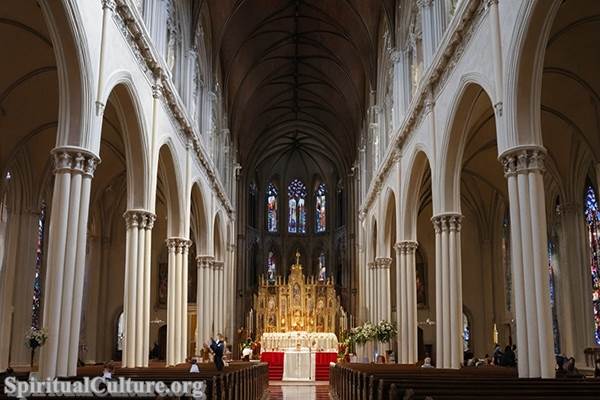
Beyond diplomacy and legal reform, Pope Adrian I demonstrated a significant commitment to the material and cultural heritage of the Church. His pontificate saw significant restoration and construction projects, aimed at preserving the sacred spaces that embodied the faith of generations. Notable among these were the restoration of St. Peter’s Basilica, improvements to the Lateran Palace, and the refurbishment of various Roman churches damaged by time and conflict.
These projects were not mere architectural undertakings—they were acts of faith, reflecting Pope Adrian I’s belief in the importance of sacred spaces as places of worship, community, and witness. His patronage of religious architecture ensured that Rome remained a symbol of Christian faith and a center of pilgrimage and devotion.
Pope Adrian I’s Role in Defending Orthodoxy
In addition to his diplomatic and administrative achievements, Pope Adrian I was a staunch defender of Christian orthodoxy. The theological controversies of the time, including disputes over the use of icons and the nature of Christ, threatened the unity of the Church. While much of the iconoclast controversy was centered in the Eastern Church, its effects reverberated across Christendom.
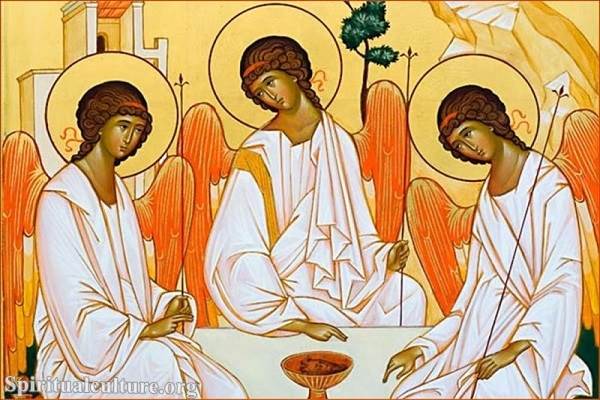
Pope Adrian I took a clear and unwavering stance in support of the veneration of sacred images, aligning with the decisions of the Second Council of Nicaea in 787 AD. His endorsement of the council’s rulings not only affirmed the Church’s teachings on the rightful use of images but also reinforced the papacy’s role as the guardian of orthodox faith.
Pope Adrian I’s Pastoral Care and Humility
Despite his involvement in grand political maneuvers and theological debates, Pope Adrian I never lost sight of his pastoral responsibilities. He was known for his humility, his concern for the poor, and his commitment to the spiritual well-being of his flock. His pontificate reflected a balance between the grandeur of high politics and the simplicity of pastoral care, embodying the servant-leadership model that remains central to the papal office today.
Before we move forward to explore the lasting spiritual legacy of Pope Adrian I, let’s take a moment to review the key events that marked his extraordinary life and leadership. This summary will help you grasp the pivotal moments that defined his papacy and his contribution to the Church and the world.
| Year | Event | Details |
|---|---|---|
| c. 700 AD | Birth of Pope Adrian I | Born into a noble Roman family in Rome, raised with strong ties to the Church. |
| Before 772 AD | Early ecclesiastical service | Served as a cleric in Rome, gaining a reputation for integrity, pastoral care, and administrative skill. |
| 772 AD | Elected Pope Adrian I | Elected after the death of Pope Stephen III amid political instability and external threats from the Lombards. |
| 773–774 AD | Alliance with Charlemagne | Sought and secured an alliance with Charlemagne, leading to the defeat of the Lombard King Desiderius and the protection of the Papal States. |
| c. 774 AD | Restoration of St. Peter’s Basilica and other churches | Initiated major renovations to preserve Rome’s sacred spaces and ensure vibrant centers of worship. |
| 787 AD | Support for the Second Council of Nicaea | Endorsed the council’s rulings, affirming the veneration of sacred images and defending orthodox Christian teaching. |
| Throughout pontificate | Legal and liturgical reforms | Promoted the Dionysiana-Hadriana canon law compilation to strengthen Church governance and unity. |
| 795 AD | Death of Pope Adrian I | Passed away after 23 years as pope, leaving a legacy of faithfulness, courage, and resilience. |
The Spiritual Legacy of Pope Adrian I
The spiritual legacy of Pope Adrian I extends far beyond his lifetime and the immediate concerns of his pontificate. His leadership not only preserved the Church from political threats but also laid a foundation of faithfulness, orthodoxy, and resilience that would echo through the centuries. As a shepherd of both doctrine and people, Pope Adrian I reflects the enduring power of steadfast spiritual leadership.
The Enduring Impact of Pope Adrian I’s Alliance with Charlemagne
While often viewed through a political lens, Pope Adrian I’s alliance with Charlemagne was also a significant spiritual move. By aligning with a ruler committed to the protection and advancement of the Christian faith, Pope Adrian I ensured that the Church had a powerful advocate in a time of great vulnerability. This alliance did more than secure territory—it secured the Church’s ability to preach the Gospel, to nurture communities of faith, and to stand against forces that would threaten its integrity.
The resulting stability allowed Christian learning and culture to flourish, contributing to the Carolingian Renaissance—a period marked by renewed interest in biblical studies, liturgical reform, and the preservation of classical Christian texts. Without Pope Adrian I’s foresight and courage, this cultural and spiritual revival may never have occurred.
Pope Adrian I’s Legal and Liturgical Contributions
The Dionysiana-Hadriana, compiled and endorsed by Pope Adrian I, was more than a legal document—it was a spiritual framework for the Church. By providing a standardized collection of canons, Pope Adrian I reinforced the Church’s commitment to justice, order, and accountability. These canons addressed issues ranging from clerical discipline to sacramental practices, ensuring that the Church operated not only as an institution but as a living expression of God’s justice and mercy.
His liturgical reforms also promoted reverence and unity in worship, helping to shape the spiritual life of the Church across diverse regions. By championing consistent practices in prayer, sacraments, and communal worship, Pope Adrian I fostered a sense of shared identity and purpose among believers.
The Ongoing Influence of Pope Adrian I
The spiritual legacy of Pope Adrian I continues to shape the Church today. His model of leadership, rooted in both theological conviction and pastoral care, offers enduring lessons for Christians in every generation. His life encourages readers to consider:
- How can we be faithful stewards of the truth in a world that often opposes it?
- How can we balance courage and humility in our leadership, whether in the Church or in our personal lives?
- How can we invest in preserving and nurturing the faith for future generations?
In remembering Pope Adrian I, we are reminded that the call to faithfulness transcends time and circumstance. His life is a source of hope and a challenge to live with integrity, courage, and a deep trust in God’s providence.
What the Bible Says: Lessons from Pope Adrian I’s Leadership
The life and leadership of Pope Adrian I speak strongly to the enduring truths found in Scripture. His courage, faithfulness, and dedication to the Church’s mission reflect the biblical ideals of godly leadership and service. While Pope Adrian I lived in a time of political turmoil and external threats, his example echoes the qualities of leaders in both the Old and New Testaments—leaders who stood firm in faith, guided by God’s wisdom and grace.
Faithfulness in the Face of Adversity
Paul’s words in 2 Timothy 4:7-8 offer another lens through which to view Pope Adrian I’s leadership: “I have fought the good fight, I have finished the race, I have kept the faith. Now there is in store for me the crown of righteousness…” These words speak of perseverance and faithfulness, even when the path is difficult. Pope Adrian I’s steadfast commitment to truth, justice, and pastoral care mirrors this biblical vision of enduring to the end, trusting in God’s ultimate reward.
Despite political pressures, theological disputes, and the threat of violence, Pope Adrian I remained unwavering in his faith and mission. His life challenges us to ask: How can we, too, keep the faith in the face of adversity?
Wisdom and Discernment in Leadership
The Bible places great emphasis on the importance of wisdom in leadership. James 1:5 makes the point, “If any of you lacks wisdom, you should ask God, who gives generously to all without finding fault, and it will be given to you.” Pope Adrian I’s decision to seek alliance with Charlemagne, his legal reforms, and his efforts to balance spiritual integrity with political realities all reveal a leader who sought divine wisdom in his decision-making. His life reflects the fact that true wisdom does not only react to circumstances but discerns God’s will and acts accordingly.
A Life of Humble Service
Philippians 2:3-4 exhorts believers: “Do nothing out of selfish ambition or vain conceit. Rather, in humility value others above yourselves, not looking to your own interests but each of you to the interests of the others.” Pope Adrian I’s leadership was characterized by humility. Though he wielded great influence, he consistently used his position to serve the Church, to protect the vulnerable, and to uphold the dignity of Christian worship. His example encourages readers to consider how we might lead and serve with humility in our own contexts.
Why Pope Adrian I’s Story Matters Today
The story of Pope Adrian I is not only a tale from the past; it is a living testimony that continues to speak into our present and future. His life shows that the challenges faced by the Church and individual believers are not new, and that the call to faithfulness, courage, and wisdom remains just as relevant today as it was in the eighth century.
Standing Firm in Faith Amidst Uncertainty
Preserving Sacred Spaces and Traditions
In an age where many sacred traditions and places of worship are threatened by neglect, secularism, or conflict, Pope Adrian I’s commitment to restoring and preserving Rome’s churches challenges us to consider how we honor the physical spaces that connect us to our spiritual heritage. His dedication to renewing sacred sites is a metaphor for the broader responsibility to cultivate spaces—both physical and spiritual—where God’s presence can be encountered.
Are we willing to invest our time, energy, and resources in preserving the faith for future generations? How can we ensure that the beauty and truth of the Gospel continue to shine in our communities?
Modeling Humble and Courageous Leadership
Pope Adrian I was not a leader driven by personal ambition or desire for recognition. His humility and courage remind us that true leadership is about service, not power. In our families, churches, workplaces, and societies, we are called to lead as Christ did—seeking the good of others and standing for truth with gentleness and strength.
Who are we called to lead and serve today? How can we embody the humility and courage that Pope Adrian I displayed in his leadership?