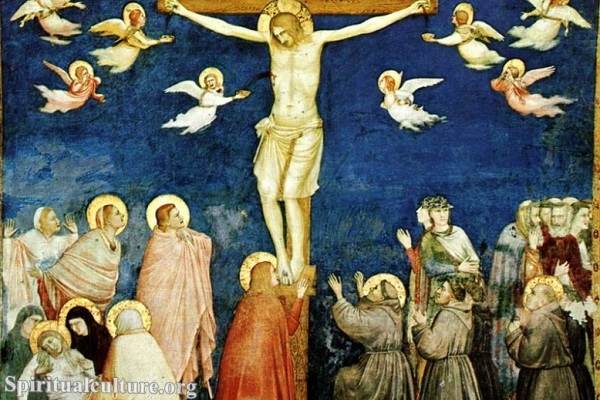
Origin and Historical Background of Christianity
Christianity originated in the 1st century CE, in the context of the Roman Empire and the ancient Jewish religion. Understanding this origin is crucial for appreciating the development and adaptability of Christian belief and practice over time.
Key Figures in Early Christianity
- Jesus Christ: The figure at the heart of Christianity, Jesus of Nazareth, is seen as the promised Messiah and the Son of God. His life and teachings are recorded in the four Gospels of the New Testament: Matthew, Mark, Luke, and John. Jesus preached a message of love, repentance, compassion, and the Kingdom of God. He performed miracles, gathered disciples, and challenged the religious authorities of his time, ultimately leading to his crucifixion around 30–33 CE. Central to Christianity is the belief in his resurrection, which signifies victory over sin and death.
- The Apostles: Followers of Jesus, especially the Apostles, were instrumental in spreading his teachings after his death. Notably, Peter and John were key figures in the early Christian community in Jerusalem. Paul, originally known as Saul of Tarsus, became a major proponent of the faith, writing numerous letters (epistles) that shaped Christian theology and practice. His missionary journeys throughout the Mediterranean established many early Christian communities, helping the movement grow significantly beyond its Jewish roots.
- Early Church Fathers: After the Apostolic Age, several theologians, known as the Church Fathers, played critical roles in the formation of early Christian doctrine and church organization. Prominent figures include Augustine of Hippo, whose writings on sin and grace shaped Western Christianity, and Athanasius, who defended the Nicene Creed and the doctrine of the Trinity against various heresies.
Development of Christian Theology
- Apostolic Succession: Early Christians believed that church authority was derived from the Apostles, leading to the establishment of a hierarchy often represented in terms of bishops and presbyters. This resulted in a structured church governance that laid the groundwork for future systems of leadership.
- Creeds and Councils: Significant meetings known as ecumenical councils were convened to address theological disputes. The First Council of Nicaea in 325 CE produced the Nicene Creed, affirming the belief in the Trinity and the divinity of Christ. These theological formulations helped unify the early church and set boundaries against heretical beliefs.
- Development of Scripture: The process of canonization of the New Testament texts took several centuries. Early church leaders discerned which writings were divinely inspired, ultimately forming the 27 books we recognize today. The process involved debates over various texts, including the role of apostolic authorship and orthodox theological consistency.
Christianity in the Roman Empire
The expansion of Christianity occurred within the context of the Roman Empire, which initially viewed Christians with suspicion. Several factors facilitated the religion’s growth:
- Geographic Spread: The Roman Empire’s extensive road systems and communication channels allowed early Christians to travel and spread their message efficiently. Cities like Antioch and Rome became pivotal Christian centers.
- Cultural Exchange: A common language (Koine Greek) and a relative degree of religious pluralism created an environment in which new ideas could be shared and debated. Christians often engaged with philosophical traditions, making their message relatable to diverse audiences.
- Persecution and Martyrdom: In its early years, Christianity faced persecution from Roman authorities who saw it as a threat to the traditional religious and social order. Notable persecutions occurred under emperors such as Nero and Diocletian. However, these persecutions often strengthened the faith; the accounts of martyrs inspired others to convert.
- Constantine and the Edict of Milan: A turning point for Christianity occurred in the early 4th century when Emperor Constantine converted to Christianity. The Edict of Milan in 313 CE legalized Christianity and granted it the same legal status as other religions. This shift allowed Christianity to flourish and led to its adoption as the state religion of the Roman Empire by the end of the 4th century.
Denominations and Branches of Christianity
Christianity is not a monolithic faith; it encompasses a diverse array of denominations and movements, each interpreting beliefs and practices in unique ways.
Overview of Major Christian Denominations
- Catholicism: The Roman Catholic Church is the largest Christian denomination, led by the Pope in Rome. It emphasizes tradition, the sacraments, and the authority of the church. The Mass, rooted in the Eucharist, is central to Catholic worship.
- Orthodoxy: Comprised of Eastern Orthodox Churches, Orthodoxy emphasizes mysticism, liturgical worship, and the continuity of tradition. The Divine Liturgy is a hallmark of Orthodox worship, characterized by rich rituals and sacraments.
- Protestantism: Emerging from the Reformation in the 16th century, Protestantism covers a broad spectrum, including denominations such as Lutheran, Reformed, Anglican, Baptist, and Pentecostal. Common themes include the authority of scripture, justification by faith, and the priesthood of all believers.
Differences Between Catholicism, Orthodoxy, and Protestantism
While all Christians share core beliefs, substantial differences exist in theology, worship, and practices:
- Authority: Catholics uphold papal authority, with the Pope as the spiritual leader. Orthodox Christians rely on ecumenical councils and the consensus of bishops, whereas Protestants prioritize scripture as the sole authority (sola scriptura).
- Sacraments: Catholicism recognizes seven sacraments, the Orthodox tradition also emphasizes the sacraments, whereas most Protestant denominations typically recognize only Baptism and the Eucharist.
- Salvation: While all denominations affirm that salvation comes through faith in Christ, differences arise regarding the role of works, sacraments, and faith alone versus faith with accompanying deeds.
Emerging Christian Movements
In recent years, new movements and expressions of Christianity have emerged, reflecting cultural changes and shifts in belief:
- Non-Denominational Christianity: Many Christians identify with non-denominational churches that emphasize a personal faith experience over traditional denominational structures.
- Megachurches: Large congregations offering diverse programs have gained popularity in the U.S. and elsewhere. These churches often focus on contemporary worship styles and practical life applications.
- Social Justice Movements: Many contemporary churches actively engage in social issues, linking faith with activism on matters like poverty, racial equality, and environmental stewardship. Organizations such as the “Emergent Church” movement call for a rethinking of how Christianity addresses these pressing concerns.
Practices and Rituals in Christianity
The practices and rituals within Christianity are expressions of belief and devotion that foster community and individual spirituality.
Traditional Sacraments: Baptism and Eucharist
- Baptism: Seen as an initiation into the Christian faith, baptism symbolizes a believer’s identification with Christ’s death and resurrection and signifies moral and spiritual rebirth. Different denominations varying in beliefs about infant vs. adult baptism and the mode of baptism (immersion, pouring, or sprinkling).
- Eucharist (Holy Communion): A central act of worship for Christians, the Eucharist commemorates Jesus’s Last Supper with his disciples. The significance of the Eucharist varies, with Catholicism believing in transubstantiation (the bread and wine become the actual body and blood of Christ) and many Protestant denominations considering it a memorial or symbolic meal.
Worship and Prayer Practices
Christian worship encompasses various styles and settings, reflecting cultural contexts and theological emphases:
- Sundays and Liturgical Calendars: Most Christians worship on Sundays, often observing a church calendar that includes significant seasons such as Advent, Lent, Easter, and Pentecost, which punctuate the rhythms of worship and reflection.
- Worship Styles: Worship can range from traditional liturgy, with structured prayers, hymns, and readings, to contemporary services featuring modern music and informal settings. This diversity allows individuals to connect with their faith in various ways.
- Prayer: Prayer plays a crucial role in Christian life, encompassing both personal and communal practices. Common forms include intercessory prayer, contemplative prayer, and the recitation of formal prayers such as the Lord’s Prayer.
Significance of Church Community
The church is essential to Christian identity, providing a space for communal worship, spiritual growth, and mutual support:
- Fellowship and Community: Christians are encouraged to share their faith journeys, support one another, and engage in acts of service. This communal aspect reflects Jesus’s teachings on love and charity.
- Education and Discipleship: Many churches prioritize education through Bible studies, Sunday school, and catechesis to equip believers for spiritual maturity and engagement in their communities.
- Service and Outreach: Many congregations participate in community service initiatives, demonstrating the call to live out the Gospel through tangible acts of love and service.
Christianity’s Influence on Society and Culture
Historical Impact on Western Civilization
Christianity deeply shaped Western history and culture:
- Art and Literature: Major works of art, music, and literature throughout history have drawn from Christian themes. Artists like Michelangelo and composers like Bach exemplify how Christian belief inspired creativity.
- Legal and Ethical Frameworks: Christian thought has influenced laws and ethical norms in many Western societies, shaping views on justice, mercy, and the dignity of human life.
- Education: The establishment of medieval universities and schools often stemmed from missionary efforts and church sponsorship, emphasizing the pursuit of knowledge through the lens of faith.
Christianity and Modern Social Issues
In the contemporary world, Christianity engages with pressing social issues, reflecting its commitment to justice and compassion:
- Poverty and Inequality: Many Christian organizations work to alleviate poverty, promote fair economic practices, and provide services to marginalized communities. This includes addressing systemic injustices through advocacy.
- Environmental Stewardship: Increasingly, Christians focus on caring for creation, advocating for environmental justice, and responding to climate change. Various movements emphasize the theological basis for stewardship of the Earth.
- Human Rights: Christian teachings often emphasize the inherent dignity of all individuals, leading many believers to engage in human rights activism, including issues of racial and gender equality.
Interfaith Relations and Ecumenism
Christianity exists alongside a multitude of other faiths, leading to increased dialogue and cooperation among different religions:
- Dialogue with Other Religions: Many Christian groups actively pursue interfaith dialogue, seeking mutual understanding and respect with Jews, Muslims, and other religious traditions.
- Ecumenism: Within Christianity, ecumenical movements aim to promote unity among different denominations. Organizations like the World Council of Churches foster collaboration and shared mission work, emphasizing the common good of humanity.
Future of Christianity
Christianity faces an evolving landscape marked by opportunities for growth and challenges rooted in cultural shifts.
Growth Trends and Global Distribution
While Christianity originated in the Middle East, it has spread globally, with significant growth occurring in:
- Africa and Asia: The number of Christians has grown rapidly in these regions, where many embrace Christianity for its message of hope and community, often blending traditional beliefs with Christian faith.
- Urbanization: Cities are becoming significant centers of Christianity, presenting opportunities for innovative expressions of faith and ministry.
Challenges Facing Christianity Today
Modern Christians face a range of challenges:
- Secularization: In many Western nations, secularism is on the rise, leading to decreased church attendance and challenges to traditional beliefs. Christians often grapple with how to faithfully engage in a post-Christian society.
- Internal Divisions: Differences in interpretation, cultural responses, and political stances can create rifts within Christianity. Addressing these divisions requires open dialogue, humility, and a focus on shared beliefs.
- Crisis of Authority: Many believers struggle with authority in church leadership. Scandals and controversies have led to questions about trust and accountability within Christian institutions.
Role of Technology in Modern Christian Practice
Advancements in technology are reshaping how Christians engage with their faith and community:
- Digital Worship: The COVID-19 pandemic accelerated the trend toward online worship services, making it easier for churches to reach individuals who may not attend traditional services. Many congregations now offer live-streamed services and resources that cater to a digital audience.
- Social Media and Outreach: Christians are increasingly using social media platforms to share their faith, engage in discussions, and connect with others. This digital outreach opens new avenues for evangelism and community building.
- Resources and Education: Technology allows access to a wealth of educational materials, podcasts, and online scripture studies, enabling believers to deepen their understanding of faith in various formats and settings.

