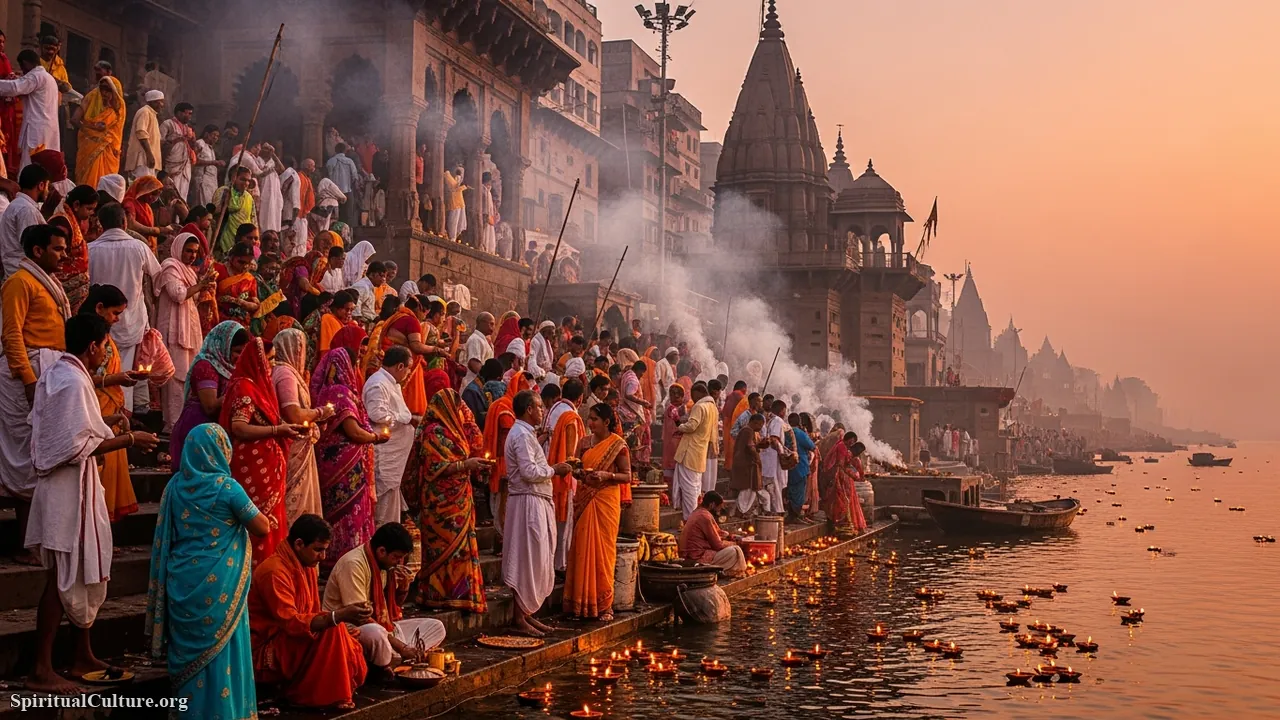
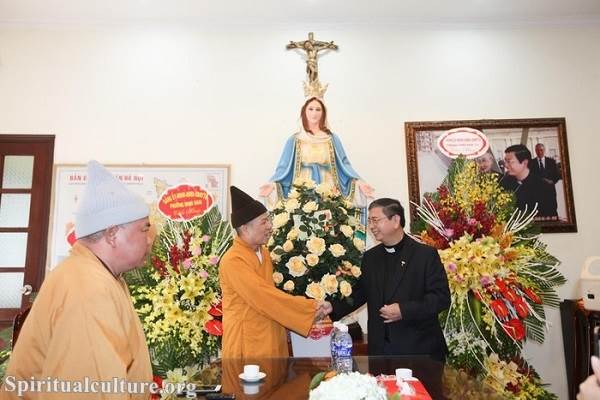
Asia is the birthplace of most of the world’s largest religious traditions and remains the most religiously diverse major region. Pew Research Center’s 2025 global analysis describes Asia-Pacific as a region where no single religious group forms a majority.
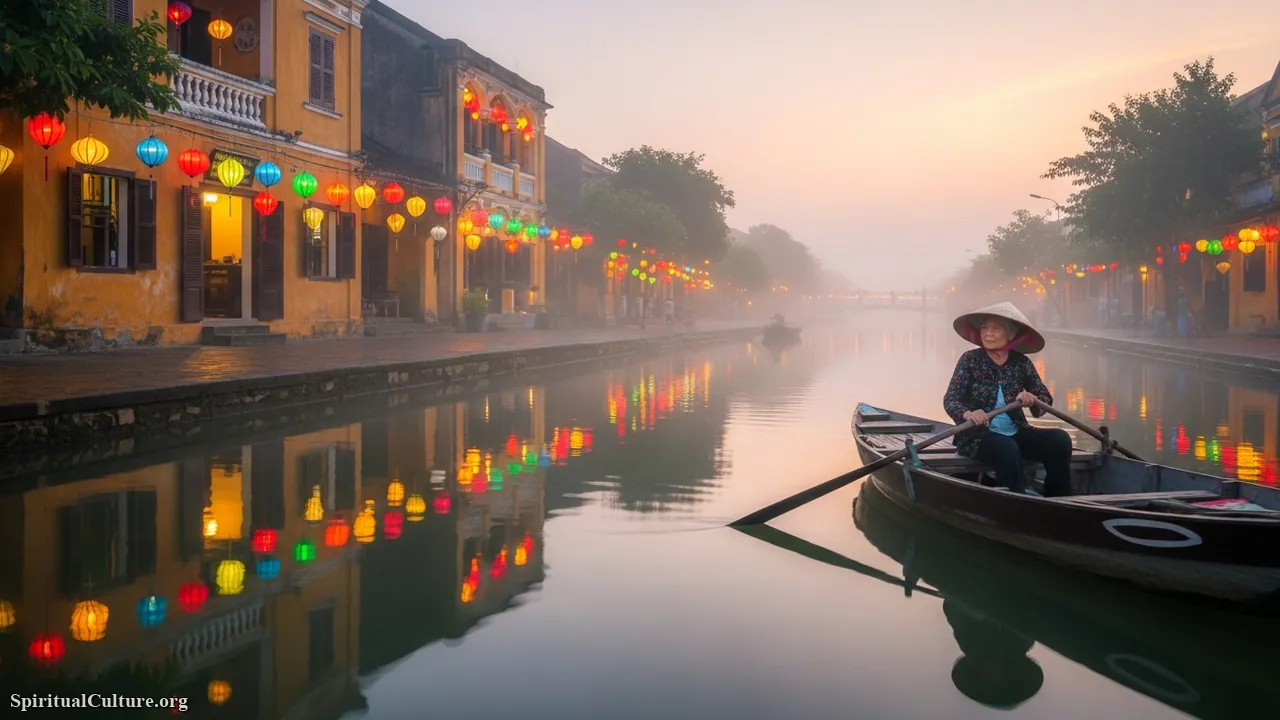
South Asian traditions
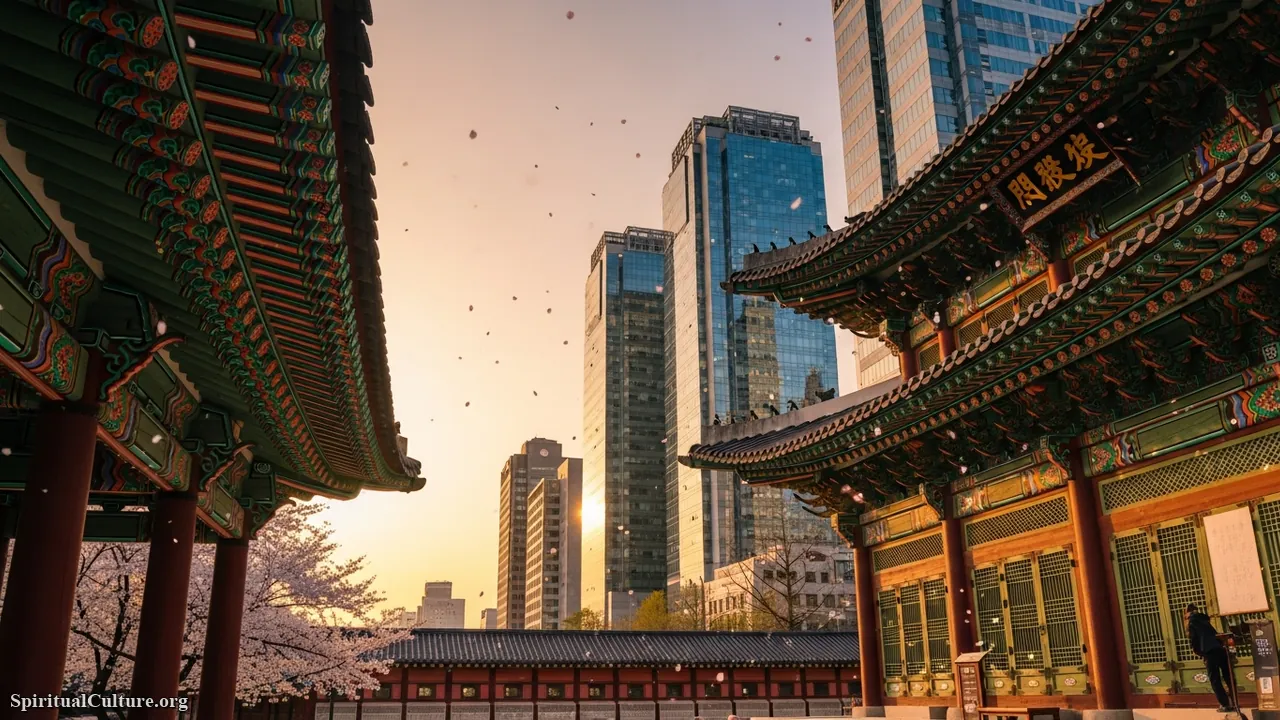
Hinduism, Buddhism, Jainism, and Sikhism all emerged in South Asia. Their temples, monasteries, pilgrimage routes, sacred rivers, festivals, scriptures, and philosophical traditions continue to shape India, Nepal, Sri Lanka, and global diasporas.
Islam across Asia
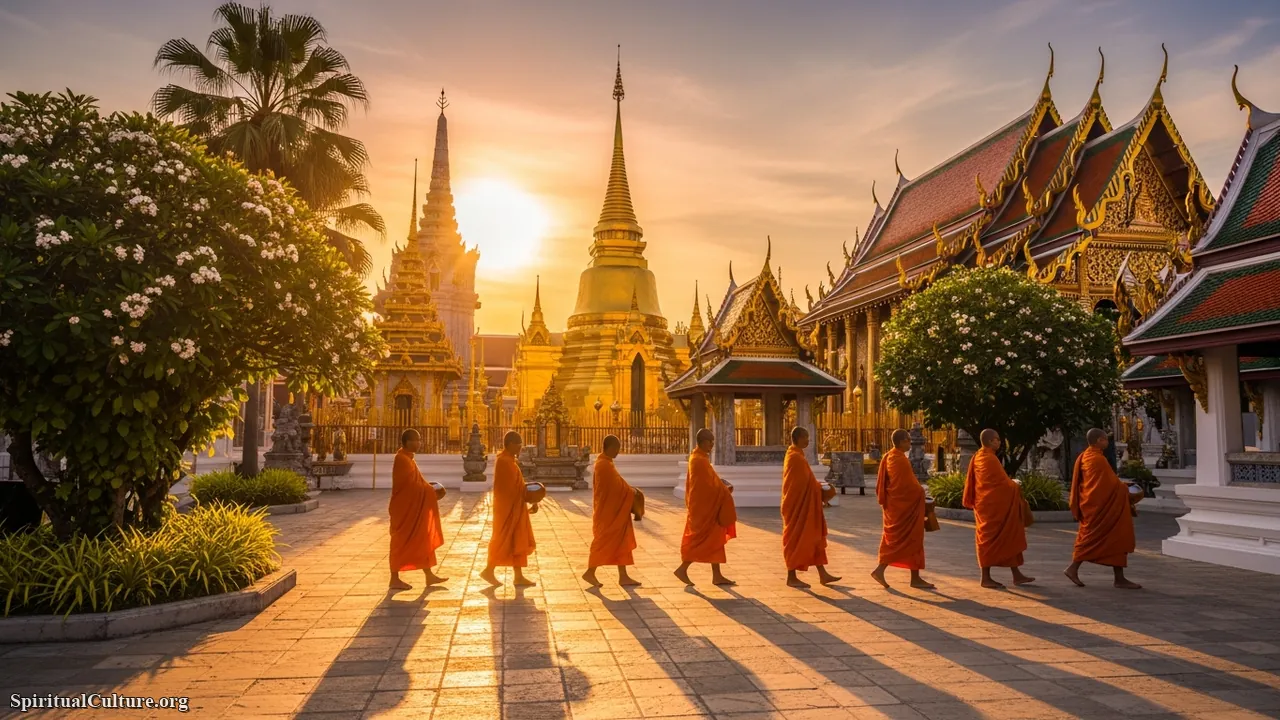
Islam stretches from the Middle East and Central Asia through South and Southeast Asia. Religious life includes mosque worship, Qur’anic study, Sufi traditions, pilgrimage, Ramadan, Islamic law, and highly varied local customs. Indonesia alone contains the world’s largest Muslim population.
East Asian religious worlds
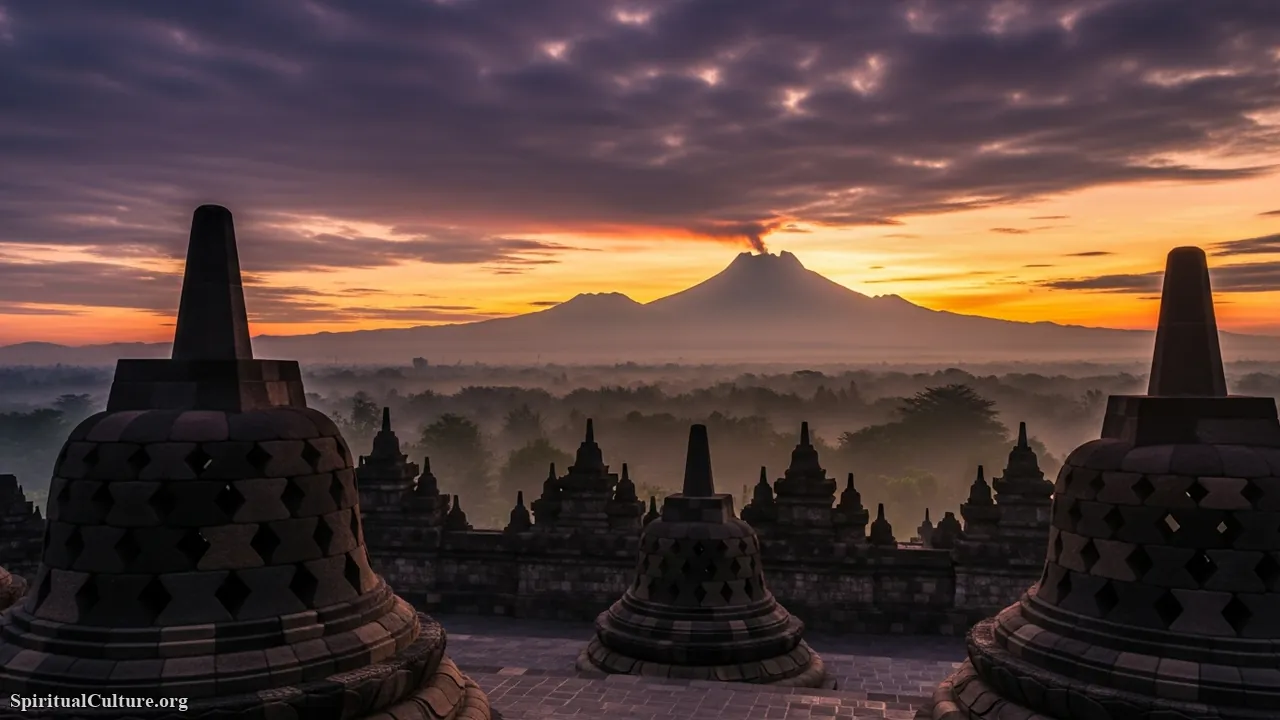
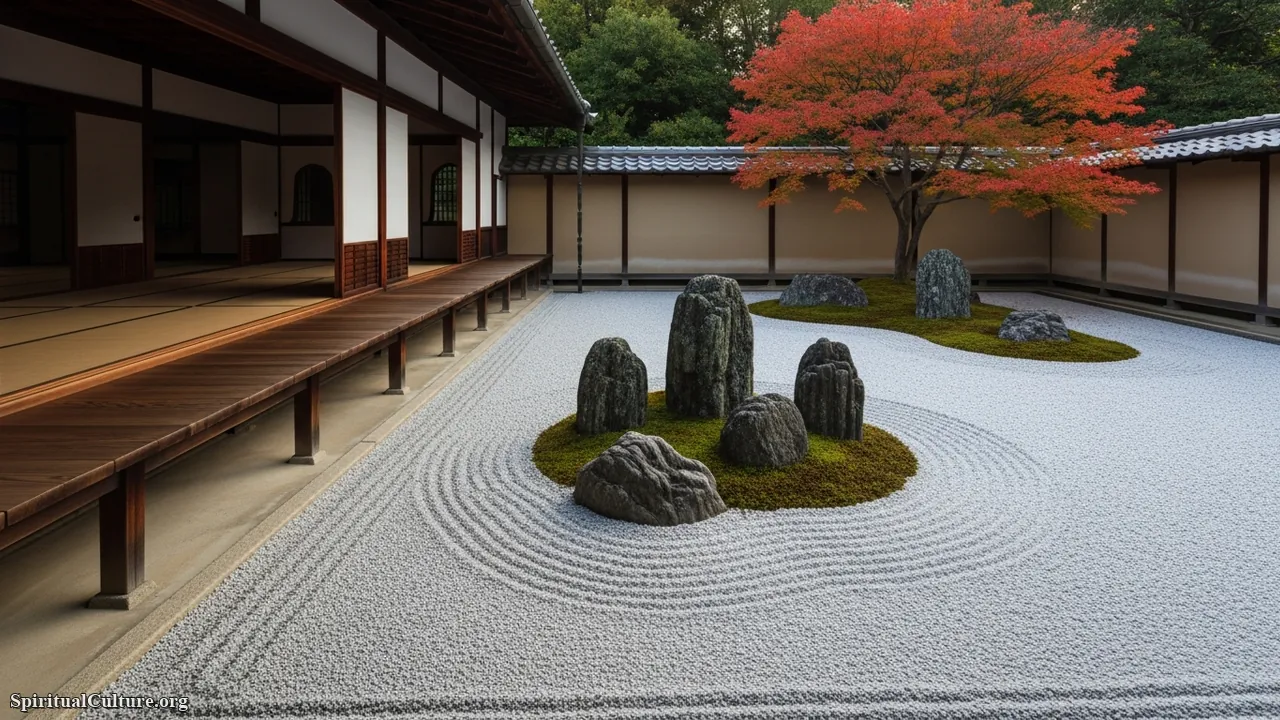
Buddhism, Daoism, Confucian ritual traditions, Chinese popular religion, Shinto, Korean shamanic traditions, and new religions often overlap with ancestor veneration and local sacred landscapes. Formal religious identity does not always capture how people practice.
Christianity and other communities
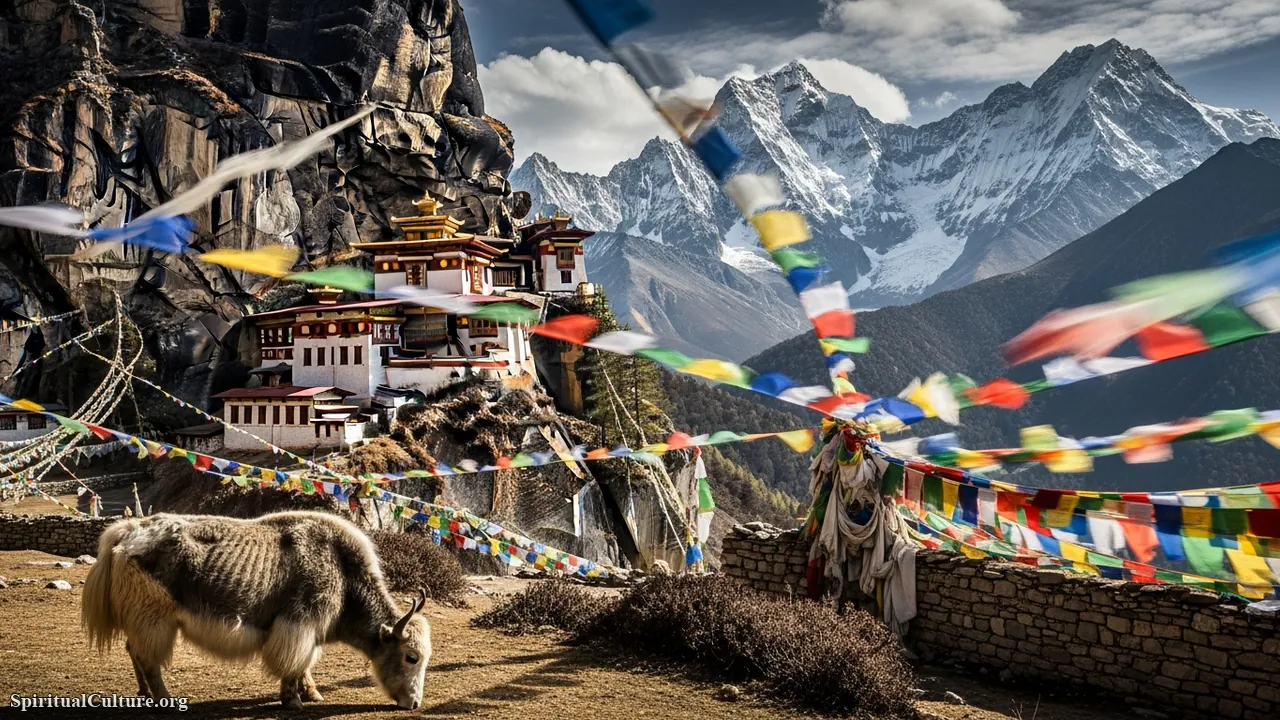
Christianity has ancient Asian roots and major modern populations in countries such as the Philippines and South Korea. Jewish, Zoroastrian, Bahá’í, Indigenous, and many smaller religious communities add further diversity.
Why regional boundaries matter
“Asian religion” is a useful geographic label but not a single religious world. South Asia gave rise to Hindu, Buddhist, Jain, and Sikh traditions; West Asia is central to Islam, Christianity, Judaism, Zoroastrianism, and Bahá’í history; Central Asia carries Islamic, Sufi, Silk Road, and Soviet legacies; East Asia includes Buddhist, Daoist, Confucian, Shinto, popular-religious, Christian, and new religious traditions; and Southeast Asia combines Islam, Buddhism, Christianity, Hindu traditions, Chinese religions, and many Indigenous systems.
Even these subregions contain enormous internal diversity. Religious boundaries often cross modern national borders through pilgrimage, language, trade, migration, monastic lineages, and diaspora communities.
Modernization, diaspora, and continuity
Urbanization, secular education, migration, state regulation, conflict, and digital communication are changing how Asian communities organize religious life. Large temples and pilgrimage centers remain important, but so do apartment shrines, urban churches, online teaching networks, diaspora monasteries, and religious charities.
Modern change does not simply replace tradition. Communities continually reinterpret inherited practices, sometimes reviving older forms and sometimes creating new institutions. A regional overview is therefore most useful when it connects doctrine and ritual with migration, politics, family life, sacred landscapes, and living communities.
Comparison without flattening traditions
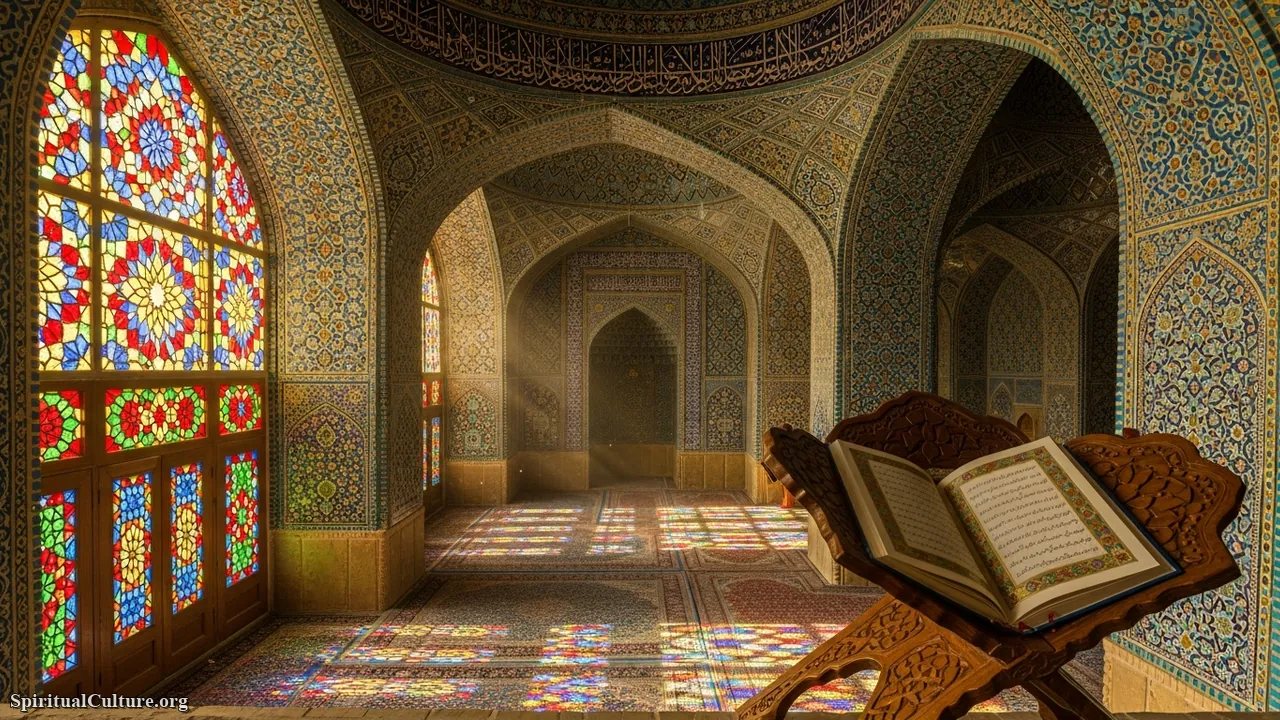
Religious life in Asia resists simple regional ranking. Hindu traditions in India, Theravāda Buddhism in Sri Lanka and mainland Southeast Asia, Mahāyāna traditions in East Asia, Islam in Indonesia and Central Asia, and local Indigenous religions developed in distinct historical settings. Comparison is useful when it preserves differences in doctrine, ritual, language, and community rather than flattening them into broad labels.
A region, not a single spiritual culture
Asia should be approached as a network of distinct religious civilizations and local traditions. Comparison is useful only when differences in history, doctrine, ritual, and community are preserved.