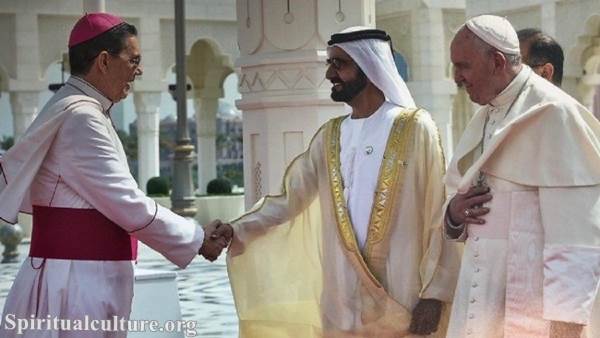
The religious title Father is most strongly associated with Christian clergy, especially Catholic and Eastern Orthodox priests. It expresses a pastoral relationship rather than biological parenthood. Its use is not universal across Christianity, and it should not be treated as a general title for religious leaders in Judaism, Islam, Buddhism, or Hinduism.
Why are Catholic priests called Father?
In Catholic usage, a priest may be addressed as “Father” because ordained ministry is understood in pastoral and spiritual terms. Priests preach, celebrate the sacraments, provide pastoral care, and guide communities. The title developed gradually in Christian history and became a familiar form of address for priests in many Catholic cultures.
Bishops may also be spoken of in paternal language, although their formal titles vary. Abbots and some members of religious orders have likewise been addressed as fathers because of their leadership within monastic or religious communities.
Eastern Orthodox usage
Eastern Orthodox Christians commonly address priests as Father as well. The title fits Orthodox understandings of spiritual guidance, sacramental ministry, and the relationship between clergy and a local community. Monastic elders may also be described with paternal language, although titles differ by language and region.
What about Anglican and Protestant churches?
Some Anglican priests are addressed as Father, especially in Anglo-Catholic settings. Other Anglicans prefer titles such as Reverend or simply use a priest’s name. In many Protestant traditions, ministers are more commonly called Pastor, Reverend, Minister, Elder, or another denominational title. Practice therefore varies widely even within Christianity.
Do Jews or Muslims call clergy Father?
Not as a normal religious title. Jewish religious teachers are generally called rabbis, while Muslim prayer leaders and scholars may be called imam, shaykh, ustadh, or other titles depending on their role and community. Translating every religious leadership role into “Father” can blur important differences between traditions.
What does the title communicate?
Where Christians use Father, the word usually communicates spiritual care, teaching, and pastoral responsibility. It does not mean that clergy replace a person’s family, nor does every Christian accept the title. Some Protestants avoid it because of their reading of biblical passages about religious titles, while Catholics and Orthodox Christians understand those passages differently.