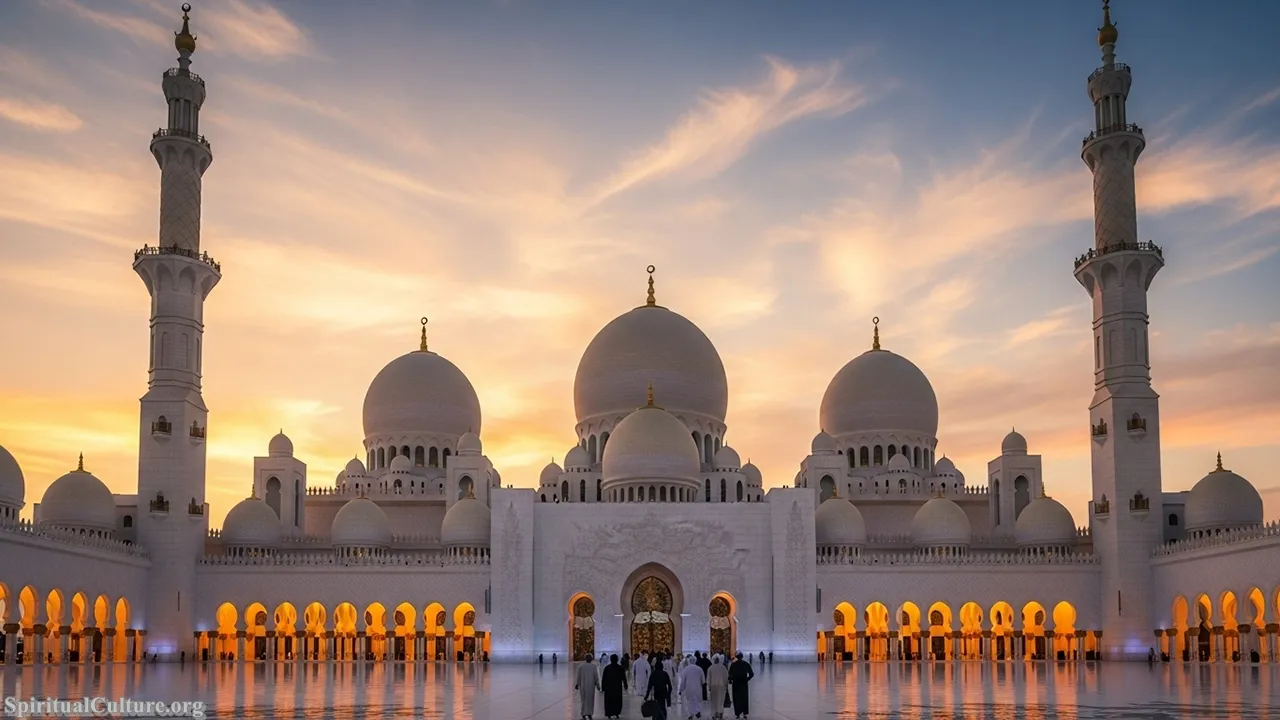
Singapore is one of Asia’s most religiously diverse societies, with Buddhism, Christianity, Islam, Daoist and Chinese popular religion, Hinduism, Sikhism, and other traditions sharing a dense urban landscape. Understanding Singapore through religion and sacred heritage gives a clearer picture than treating culture only as food, tourism, or national symbols.
Religious traditions and everyday practice
Chinese temples may combine Daoist, Buddhist, and popular devotional practices. Malay Muslim communities center religious life on mosques and Islamic institutions, while Hindu temples serve diverse South Asian communities. Churches, gurdwaras, synagogues, and newer religious centers are also part of the city-state.
Sacred places and religious heritage
Singapore’s sacred architecture is especially visible in historic districts. Sultan Mosque, Sri Mariamman Temple, Thian Hock Keng, Buddhist temples, churches, and gurdwaras stand within a relatively small area, reflecting migration and colonial-era settlement patterns.
Festivals, rituals, and community life
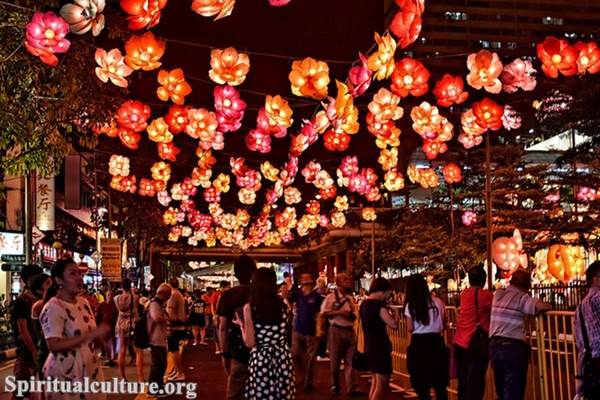
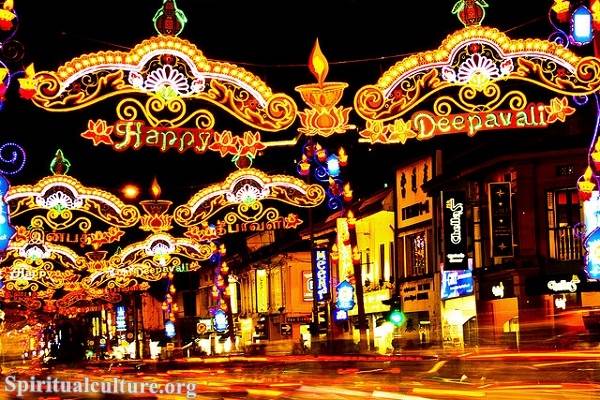
Vesak, Hari Raya Aidilfitri, Deepavali, Christmas, Chinese temple festivals, Thaipusam, and other observances bring religious calendars into public life. Processions and ritual practices are shaped by urban regulations as well as community tradition.
Living spiritual culture
Singapore’s spiritual culture is not simply a collection of festivals. It is an ongoing practice of maintaining distinct religious identities within a shared civic environment, where sacred spaces, food, language, family, and migration histories intersect.
Religious diversity in context
Singapore’s compact urban landscape contains Buddhist monasteries, Chinese temples, mosques, churches, Hindu temples, Sikh gurdwaras, synagogues, and other religious institutions within a small geographic area. Chinese religious life may combine Buddhism, Daoist ritual, ancestor veneration, and popular deity traditions, while Malay Muslim, Indian Hindu, Christian, Sikh, and other communities maintain distinct organizations and ritual calendars.
Migration is central to this history. Many institutions began as community anchors for migrants and still connect worship with language, charity, education, family networks, and cultural memory.
Festivals, pilgrimage, and sacred memory
Vesak, Ramadan and Hari Raya, Deepavali, Thaipusam, Christmas, Chinese temple festivals, and other observances make religious diversity visible in public space. Sites such as Sultan Mosque, Sri Mariamman Temple, historic Chinese temples, churches, and gurdwaras show how sacred architecture is woven into the city.
Because Singapore is highly urbanized, preservation often involves balancing active worship with heritage conservation and redevelopment. A protected building may still be a living religious institution rather than only a monument.
Historical change and regional variation
Singapore’s religious diversity reflects migration from China, South Asia, Southeast Asia, Europe, and the wider Muslim world. Urban redevelopment and state planning have changed the physical setting of many communities, while temples, mosques, churches, shrines, and festivals continue to anchor religious memory and neighborhood identity.
Reading Singapore’s spiritual culture carefully
Religious communities often share the same city spaces while maintaining distinct ritual calendars and institutions. Chinese popular religion, Buddhism, Islam, Hinduism, Christianity, Sikhism, and other traditions should be described on their own terms rather than folded into a single multicultural label.