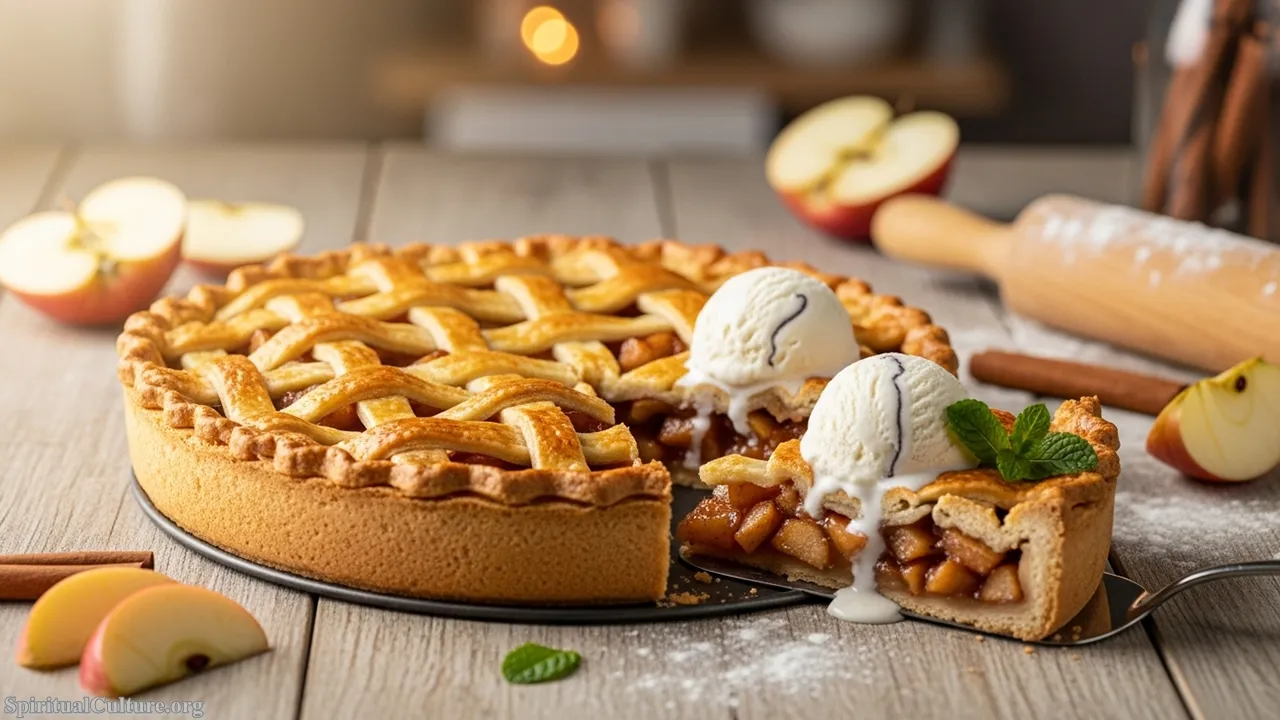
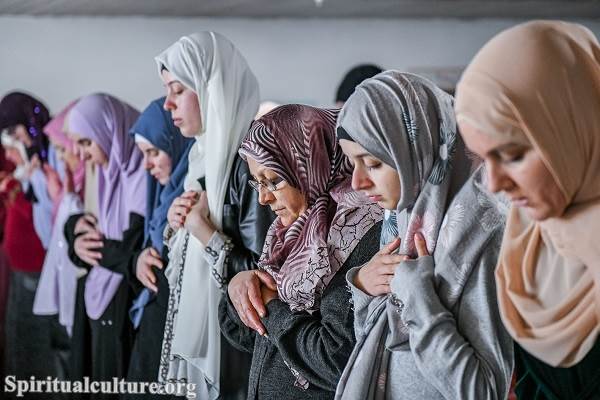
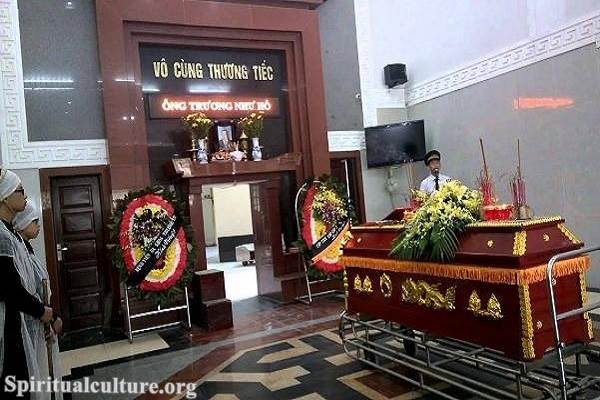
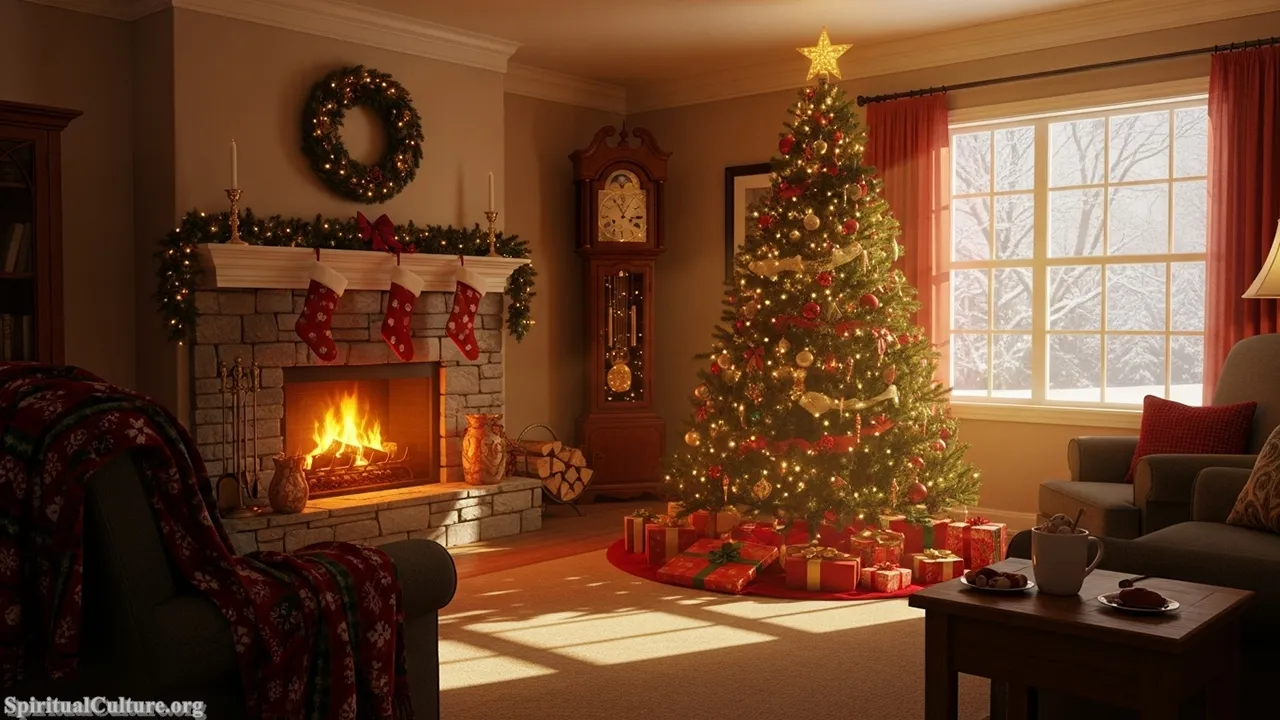
A person may stop attending regular worship but still prepare a family meal for a religious holiday. Someone who no longer shares their parents’ beliefs may still take part in a funeral custom or visit a place their grandparents regarded as sacred. This is not necessarily a contradiction.
Religious customs can carry more than religious conviction. They may also hold memories, relationships, and a sense of belonging. Understanding that distinction helps explain why customs sometimes continue even as people’s beliefs change.
A custom can have several meanings at once
Consider an annual celebration that includes food, greetings, music, and a gathering of relatives. A devout participant may understand the occasion through prayer and sacred history. Another may value the chance to see family. Someone else may feel connected to the language and customs of earlier generations.
The same event can support religious commitment, cultural identity, and personal relationships. These meanings do not cancel one another out, and they need not be shared equally by everyone present.
Memory can outlast a change in belief
Many customs are attached to particular people and moments: a grandparent’s cooking, a song sung each year, or the way a family marks a death. Continuing the custom may be a way of remembering someone rather than making a statement about theology.
This is especially visible when people move away from a childhood community. A familiar celebration may help them stay connected to language, relatives, or their place of origin. Yet not everyone experiences inherited customs warmly; for some, they bring disagreement or painful memories. Those differences matter.
Social ties also keep traditions alive
Customs often depend on other people. A wedding, memorial gathering, or seasonal festival involves relatives, friends, and neighbors who may hold different beliefs. Participation can express care for them without implying complete agreement with the event’s religious meaning.
Sometimes people attend because they feel pressure, not because they freely choose to do so. It is important to distinguish respect and welcome from an expectation that everyone must take part. A family may preserve a tradition best when members can discuss what participation means and where each person’s boundaries lie.
Continuing a custom does not mean nothing has changed
Traditions can be adapted. A family might retain the meal and gathering but shorten a ceremony. Members may choose different language, different roles, or a quieter form of remembrance. Others may stop participating altogether.
These choices are not proof that a tradition has become meaningless. They show that its place in people’s lives can change. At the same time, an adapted family custom should not automatically be presented as an official version of a religious rite. Religious communities may have specific teachings about what a ceremony requires.
How to understand participation without guessing
The simplest approach is to ask what the custom means to the people involved. Is it an act of worship? A way to remember family? A community occasion? Perhaps several of these?
The answers may differ even among people sharing the same table. For a broader look at how traditions move across generations, see how families pass on religious culture. The point here is different: an inherited custom can remain important after a person’s beliefs have changed, and its meaning is best understood rather than assumed.