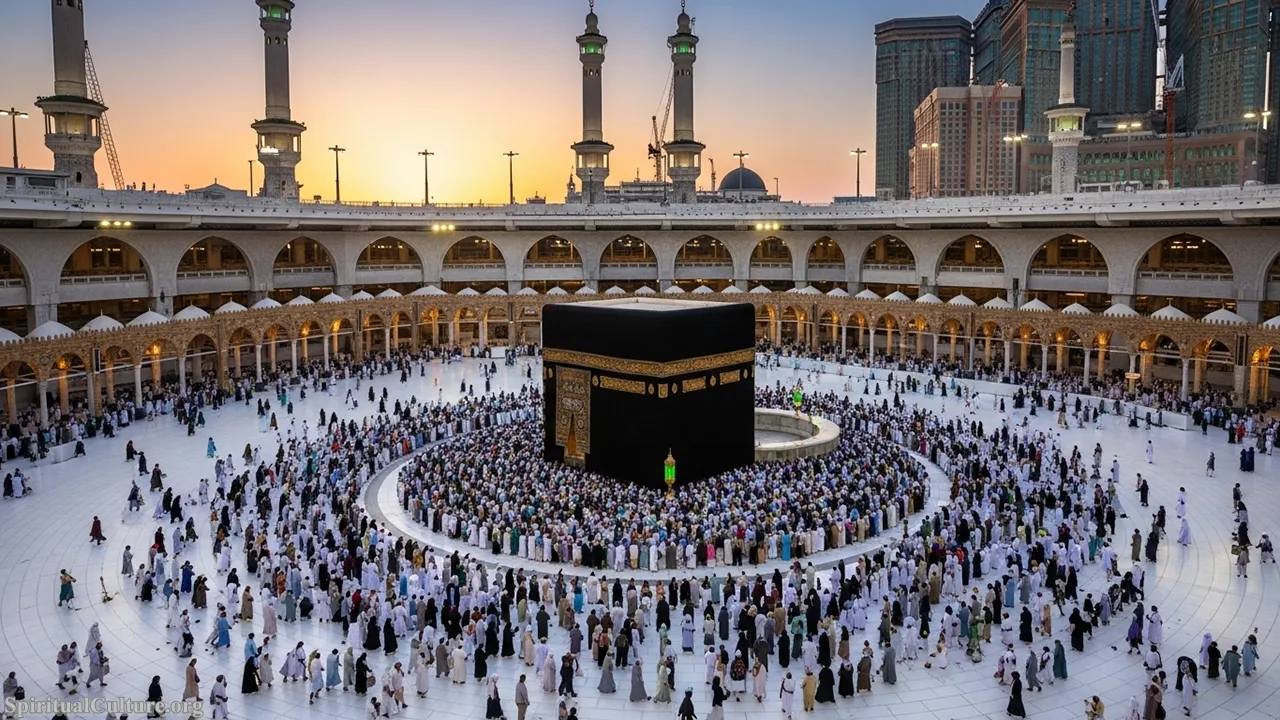
The Philippines is shaped by a strong Catholic Christian heritage, significant Muslim communities in Mindanao and the Sulu archipelago, and diverse Indigenous spiritual traditions. Understanding the Philippines through religion and sacred heritage gives a clearer picture than treating culture only as food, tourism, or national symbols.
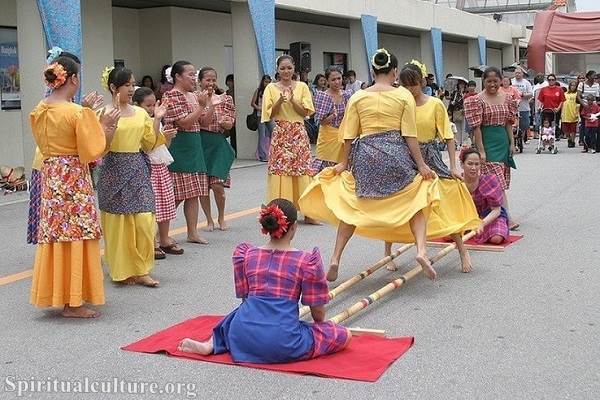
Religious traditions and everyday practice
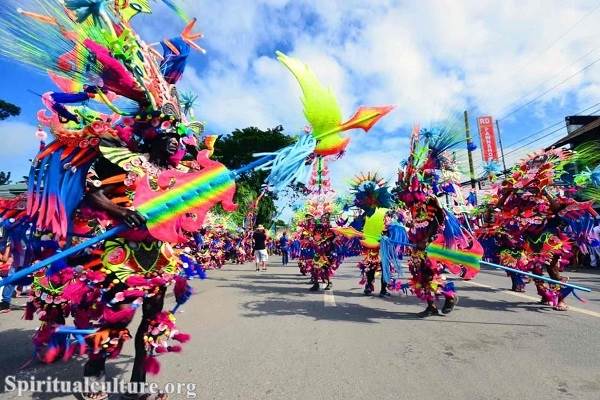
Catholicism is visible in parish life, fiestas, processions, Marian devotion, Holy Week, and devotion to the Santo Niño and other sacred images. Protestant and independent Christian churches are also important. Islam has deep historical roots in the southern Philippines that predate Spanish colonization.
Sacred places and religious heritage
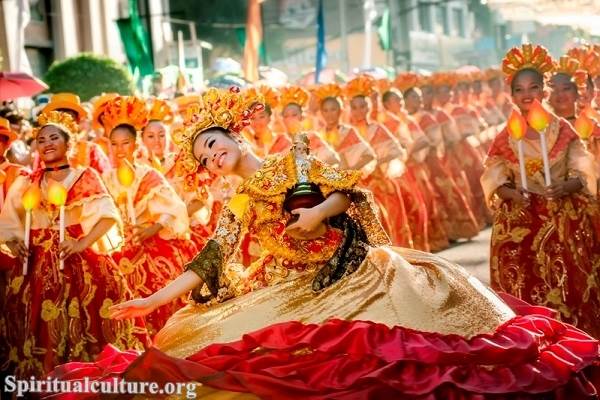
Churches, mosques, shrines, pilgrimage places, ancestral domains, and community sacred spaces form a complex religious geography. Indigenous peoples maintain distinct relationships with ancestors, land, ritual specialists, and local spirits, though these traditions vary greatly.
Festivals, rituals, and community life
Holy Week, Christmas, town fiestas, Ramadan, Eid, and Indigenous ritual cycles shape different communities. The UNESCO-listed Buklog ritual system of the Subanen is one example of living Indigenous ceremonial heritage in the south.
Living spiritual culture
Philippine spiritual culture is therefore not simply Catholic. It includes Christian, Muslim, and Indigenous traditions whose histories have interacted through trade, colonization, migration, conflict, and community renewal.
Religious diversity in context
The Philippines is strongly shaped by Catholic Christianity, but its religious landscape is more diverse than that description alone suggests. Catholic devotion includes parish life, Marian traditions, saints, processions, pilgrimage, and family prayer. Protestant, evangelical, Pentecostal, and independent Christian churches are also important, while Islam has deep historical roots in Mindanao and the Sulu archipelago. Indigenous communities maintain distinct ritual, ancestral, and land-based traditions.
Local Catholic practice often reflects regional language and history, and some communities combine church observance with older healing, protective, or ancestral customs. Muslim and Indigenous traditions should be described on their own terms rather than as peripheral additions to a Catholic national story.
Festivals, pilgrimage, and sacred memory
Holy Week, Christmas, Simbang Gabi, Marian fiestas, the Black Nazarene procession, Sinulog and other patronal festivals give Catholic life a strong public presence. Muslim communities observe Ramadan, Eid al-Fitr, Eid al-Adha, and other Islamic occasions, while Indigenous communities maintain seasonal and community-specific ceremonies.
Churches, mosques, shrines, cemeteries, sacred mountains, and ancestral territories all form part of the Philippines’ spiritual geography. Migration has also carried Filipino devotional traditions into parishes and communities around the world.
Historical change and regional variation
Religion in the Philippines reflects Indigenous traditions, centuries of Catholic influence, Muslim societies in Mindanao and the Sulu region, Protestant and independent Christian movements, and continuing local devotional practices. Migration and urbanization have also carried Filipino religious traditions into large diaspora communities.
Reading Philippine spiritual culture carefully
National Catholic identity is important but does not describe every community. Marian devotion, saints’ festivals, Indigenous ritual, Islamic practice, charismatic Christianity, and family traditions can differ sharply by island, language group, and local history.