Qatari living heritage connects Islam, hospitality, maritime history, desert knowledge, family life, dress, craft, and performance. Spiritual Culture presents ten traditions without ranking cultural importance.
1. Majlis
The majlis is a social space for receiving guests, discussion, hospitality, and community relationships. UNESCO recognizes it as shared intangible heritage.
2. Arabic coffee
Preparing and serving Arabic coffee expresses generosity, etiquette, and welcome. Qatar participates in UNESCO recognition of the tradition.
3. Falconry
Falconry connects animal knowledge, training, desert practice, family transmission, and contemporary heritage identity.
4. Al Sadu weaving
Traditional weaving reflects pastoral life, textile knowledge, geometric design, and women’s craft traditions across the Gulf.
5. Date-palm knowledge
Date cultivation connects agriculture, food, oasis knowledge, craft, and hospitality.
6. Henna traditions
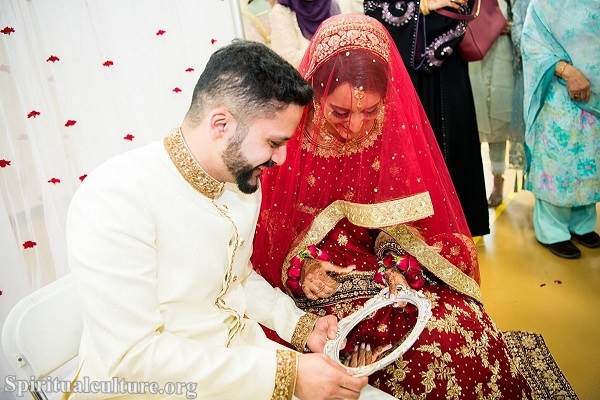
Henna is used in social and ceremonial contexts across the region, especially weddings and celebrations, with practices varying by family and community.
7. Ramadan and Eid family customs
Fasting, prayer, charity, evening meals, visiting, and Eid celebration structure an important part of Qatar’s religious calendar.
8. Garangao
Children’s mid-Ramadan customs include visiting, songs, sweets, and neighborhood participation, linking family memory with the Ramadan season.
9. Dhow and maritime heritage
Boatbuilding, pearling, fishing, navigation, trade, and coastal life remain important to Qatari cultural memory.
10. Bisht and dress traditions
Formal dress and textile knowledge carry meanings of ceremony, gender, status, region, and continuity, while modern use continues to evolve.
Editorial context
Qatari heritage is living and adaptive. UNESCO-listed practices such as majlis, Arabic coffee, falconry, date-palm knowledge, henna, and Al Sadu illustrate the importance of community transmission.
Shared Gulf heritage still has local forms
Majlis, coffee, falconry, dates, henna, and weaving are shared across several Gulf societies, but their vocabulary, performance, family use, and local histories are not identical. UNESCO’s multinational inscriptions recognize shared heritage without erasing Qatari forms or the role of local practitioners in transmitting them.