Nepal’s spiritual culture is shaped by a long interaction between Hinduism and Buddhism, together with Indigenous, local, and Himalayan traditions. Understanding Nepal through religion and sacred heritage gives a clearer picture than treating culture only as food, tourism, or national symbols.
Religious traditions and everyday practice
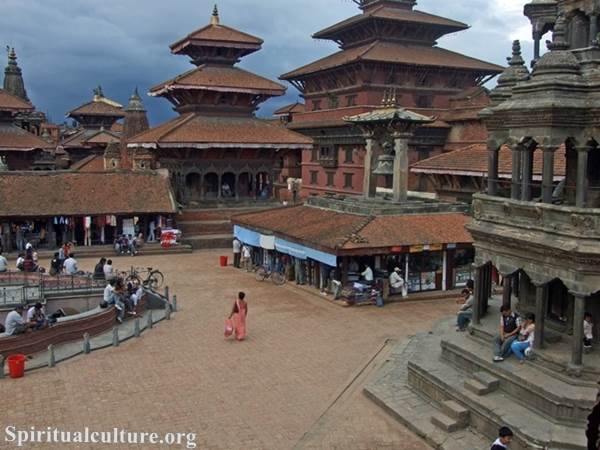
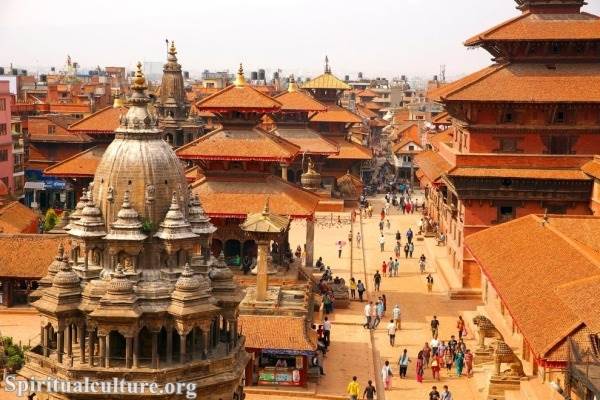
Hindu and Buddhist communities share sacred spaces, deities, festivals, and pilgrimage networks in ways that do not always fit modern religious boundaries. Newar traditions in the Kathmandu Valley are especially known for combining Hindu and Buddhist ritual worlds.
Sacred places and religious heritage
Pashupatinath is one of the most important Shaiva pilgrimage centers, while Lumbini is revered as the birthplace of the Buddha. Swayambhunath and Boudhanath are major Buddhist sites, and numerous temples, monasteries, shrines, and sacred mountains shape the country’s religious geography.
Festivals, rituals, and community life
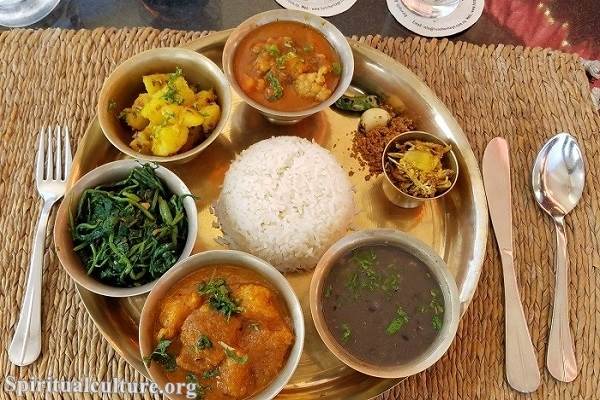
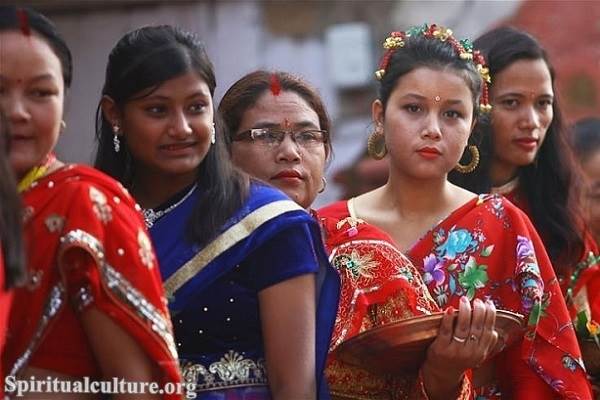
Dashain, Tihar, Buddha Jayanti, Indra Jatra, and many local festivals connect devotion with kinship, seasonal cycles, processions, and community identity. The Kumari tradition in the Kathmandu Valley reflects a distinctive form of living goddess veneration.
Living spiritual culture
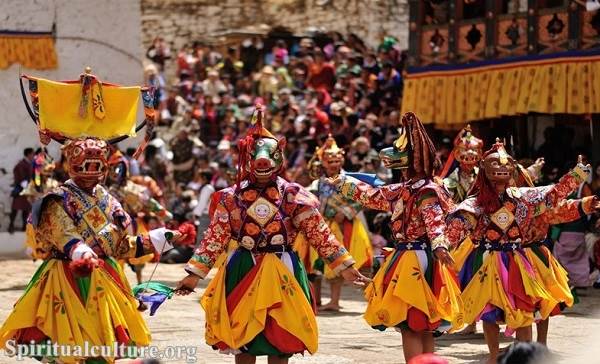
Nepal’s spiritual heritage is therefore not simply a division between Hindu and Buddhist populations. It is a landscape of shared places, layered ritual traditions, pilgrimage, monastic life, and local sacred identities.
Religious diversity in context
Nepal’s religious landscape is shaped primarily by Hindu and Buddhist traditions, but their boundaries can overlap in everyday practice, especially in the Kathmandu Valley. Newar communities maintain distinctive ritual systems in which deities, temples, festivals, and specialists may be interpreted through both Hindu and Buddhist frameworks. Tibetan Buddhist communities, Kirat traditions, Bon, Islam, Christianity, and other local religions add further diversity.
Ethnicity, language, geography, and caste all influence religious life. Himalayan monasteries, hill shrines, valley temples, and village traditions therefore belong to different social settings rather than one uniform “Nepali religion.”
Festivals, pilgrimage, and sacred memory
Dashain and Tihar are major Hindu festivals, while Buddha Jayanti, Losar celebrations, local chariot festivals, and many deity-specific observances create a dense sacred calendar. Pashupatinath, Lumbini, Swayambhunath, Boudhanath, Muktinath, and numerous regional temples and monasteries draw both pilgrims and visitors.
Mountains, rivers, caves, cremation grounds, monasteries, and household shrines all participate in Nepal’s sacred geography. Some places are important to more than one tradition, illustrating long histories of religious coexistence and shared space.
Historical change and regional variation
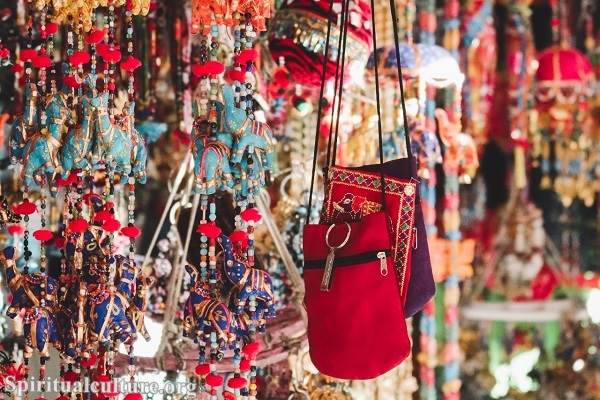
Nepal’s religious culture developed through centuries of interaction between Hindu and Buddhist traditions, Himalayan lineages, local deities, pilgrimage networks, and diverse ethnic communities. Political change and urban growth have altered institutions, but shared sacred places and overlapping ritual practices remain especially visible in the Kathmandu Valley.
Reading Nepal’s spiritual culture carefully
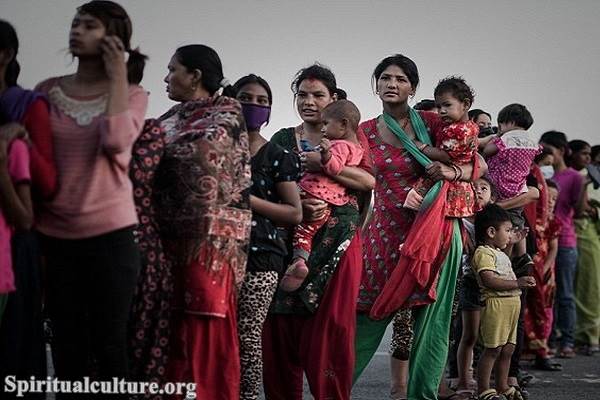
Hindu and Buddhist categories are important, yet they do not always describe lived practice neatly. Newar traditions, Tibetan Buddhist communities, hill and Himalayan peoples, local spirit traditions, and household rituals can combine religious elements in ways that resist a single national template.