The Catholic Church teaches that Christ will return in glory to judge the living and the dead, and that history is moving toward a divine fulfillment — not chaos.
There is something deeply human about wondering how the story ends — not just our own, but the world’s. From the earliest days of the Church, Catholics have turned to Scripture, tradition, and the hope of Christ to understand the “last things” — death, judgment, heaven, and hell.
The Catholic vision of the end times is not one of fear, but of promise. It is the fulfillment of God’s loving plan. In a world filled with uncertainty, this teaching offers not just answers, but peace.
The Second Coming of Christ
The Core of Christian Hope
The Second Coming — also called the Parousia — is the central event in Catholic eschatology. It is the definitive return of Jesus Christ, not in humility as at the Incarnation, but in majesty and glory.
The Catechism of the Catholic Church (CCC 682) teaches:
“Christ the Lord will come again in glory as judge of the living and the dead, and his reign will have no end.”
This belief is professed every Sunday in the Nicene Creed: “He will come again in glory to judge the living and the dead, and his kingdom will have no end.”
Not Predictable, But Certain
Catholics are warned against trying to calculate when this will happen. Jesus himself said:
“But of that day and hour no one knows, not even the angels of heaven, nor the Son, but the Father only.” (Matthew 24:36)
Instead of anxious speculation, the Church calls for watchfulness — a life of readiness, love, and faithfulness.
The Signs of the End Times
Biblical Prophecies and Church Teaching
Scripture, especially Matthew 24, Mark 13, Luke 21, and the Book of Revelation, outlines signs that will precede the end:
- Widespread moral decay and apostasy
- Wars, famines, and natural disasters
- The appearance of the Antichrist
- The conversion of Israel
- The “great tribulation”
The Church teaches that these signs are not meant to inspire panic, but to call believers to deeper conversion.
The Antichrist and Final Trial
The Catechism (CCC 675) speaks of a final trial that will “shake the faith of many,” and includes a figure commonly known as the Antichrist:
“The supreme religious deception is that of the Antichrist, a pseudo-messianism by which man glorifies himself in place of God and of his Messiah.”
This will precede the final victory of Christ.
The Resurrection of the Dead
The Body Will Rise Again
One of the most radical and hopeful beliefs in Catholicism is the resurrection of the body. The Church does not believe in a disembodied eternity, but in the full redemption of the human person — body and soul.
Jesus himself said:
“An hour is coming when all who are in the graves will hear his voice and come out.” (John 5:28–29)
At the Second Coming, all the dead will be raised. The just will rise to life eternal, the unjust to condemnation.
The Final Judgment
Christ Will Judge in Truth and Mercy
At the end of time, Christ will judge every person — not only individually (as happens at death), but publicly and universally.
The Catechism (CCC 1038) states:
“The Last Judgment will reveal even to its furthest consequences the good each person has done or failed to do during his earthly life.”
This is not meant to instill fear, but to affirm that nothing is forgotten, and justice will be fulfilled in love.
Scripture’s Vision
“When the Son of Man comes in his glory… he will separate them one from another as a shepherd separates the sheep from the goats.” (Matthew 25:31–32)
This moment reveals the truth of each heart — the lived response to God’s grace, especially in how one treated “the least of these” (Matthew 25:40).
Heaven, Hell, and Purgatory
The Ultimate Destinies of the Soul
The Catholic Church teaches three ultimate destinies:
- Heaven – Eternal communion with God, the fulfillment of every desire
- Hell – Eternal separation from God, freely chosen by the rejection of love
- Purgatory – A temporary state of purification for those who die in God’s friendship but still need cleansing
These are not arbitrary punishments but expressions of divine justice and mercy.
Heaven: Fullness of Life
Heaven is not a static reward, but the fullness of life, love, and union with God:
“What no eye has seen, nor ear heard, nor the heart of man imagined… God has prepared for those who love Him.” (1 Corinthians 2:9)
The Renewal of Creation
A New Heaven and a New Earth
Catholic teaching emphasizes that the end is not destruction, but transformation. The earth will be renewed, not discarded. This is drawn from Revelation 21:
“Then I saw a new heaven and a new earth… for the former things had passed away.”
Creation itself will be “set free from its bondage to decay” (Romans 8:21), reflecting God’s original plan in even more glorious fullness.
Living in Expectation
The Church in the Meantime
The Catholic Church exists in what is called the already and the not yet. Christ has already conquered sin and death, but the fullness of his kingdom is still to come.
Until then, the Church lives in hopeful expectation, especially in:
- The Eucharist – A foretaste of heaven
- Sacraments – Means of grace to prepare us for eternity
- Daily Conversion – Living in charity and repentance
A Call to Holiness
“Therefore, stay awake, for you do not know on what day your Lord is coming.” (Matthew 24:42)
The point is not fear, but faithfulness. To live each day as if it were your last is not morbid — it is deeply spiritual.
What the Saints Say
Wisdom from the Holy Ones
Saints throughout history have pondered the end times with sobriety and hope:
- St. Augustine said, “Let us so live as if we were always to die, and so die as if we were always to live.”
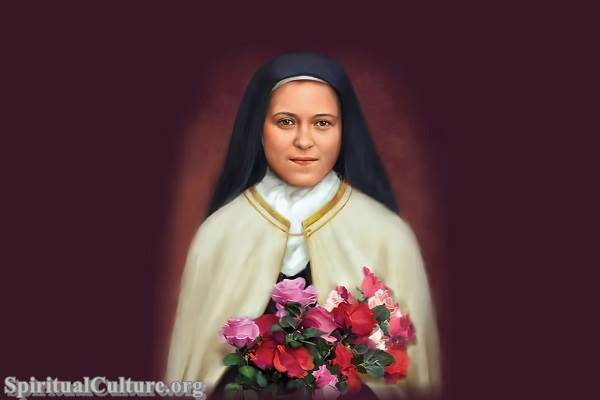
- St. Thérèse of Lisieux wrote, “I am not dying, I am entering life.”
They remind us that eternity begins now — and our choices echo forever.
Avoiding Extremes
Rejecting Speculation and Despair
The Church warns against two errors:
- Obsession – Trying to decode every global event as a prophecy
- Neglect – Living as though eternity doesn’t matter
The Catholic approach is one of watchful balance — trusting God’s timing, and living in love.
The Catholic understanding of the end times is not doom, but destiny. It is not about predicting cataclysm, but preparing hearts. It is the promise that Christ will come again — not to destroy, but to complete.
This teaching does not pull us out of the world. It helps us live in it more fully. To forgive. To hope. To love sacrificially. To live as citizens of heaven, even while walking through earth.
Whether the end comes today or in ten thousand years, the call is the same:
Be ready. Be faithful. Be full of hope.
For as the early Christians proclaimed with joy: “Maranatha!” – Come, Lord Jesus! (Revelation 22:20)