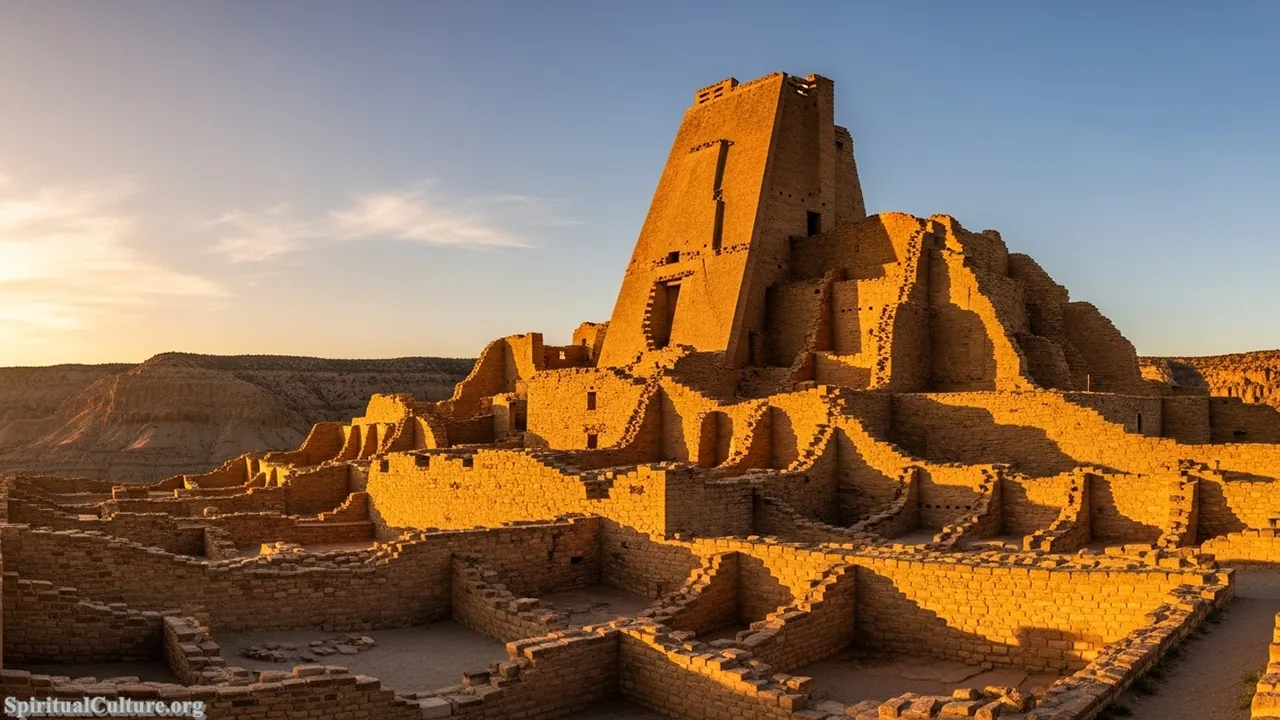
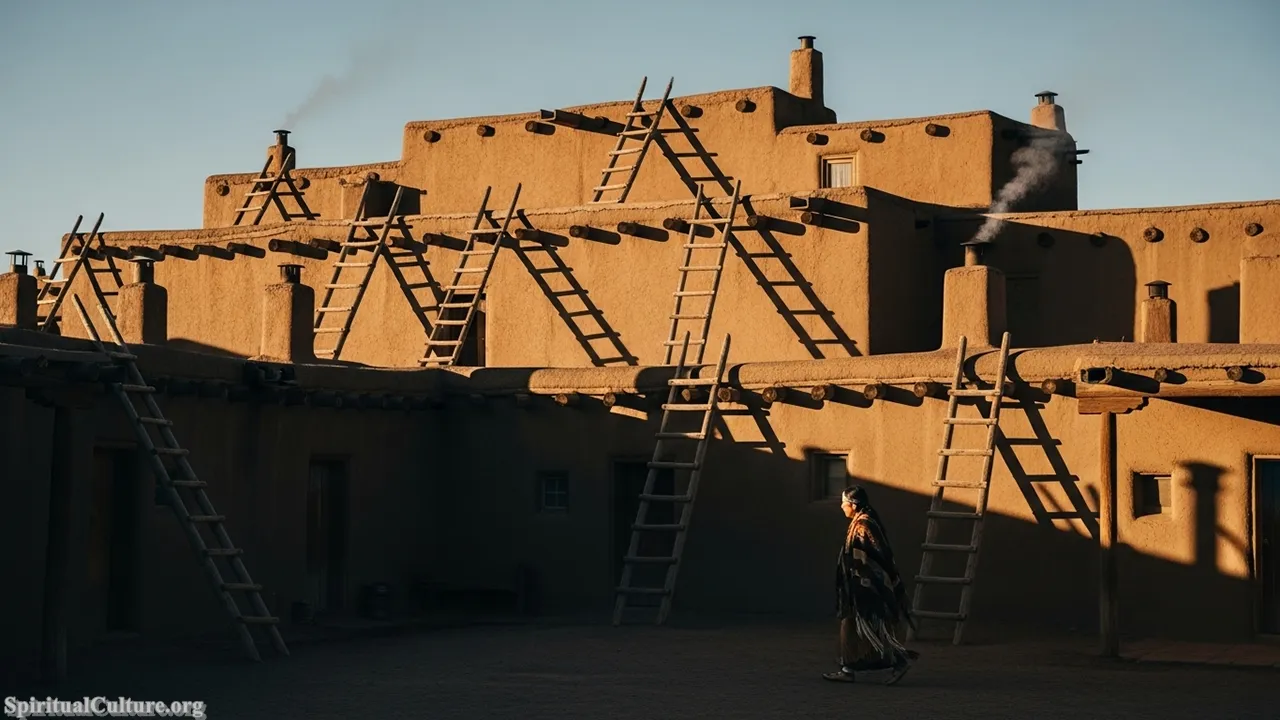
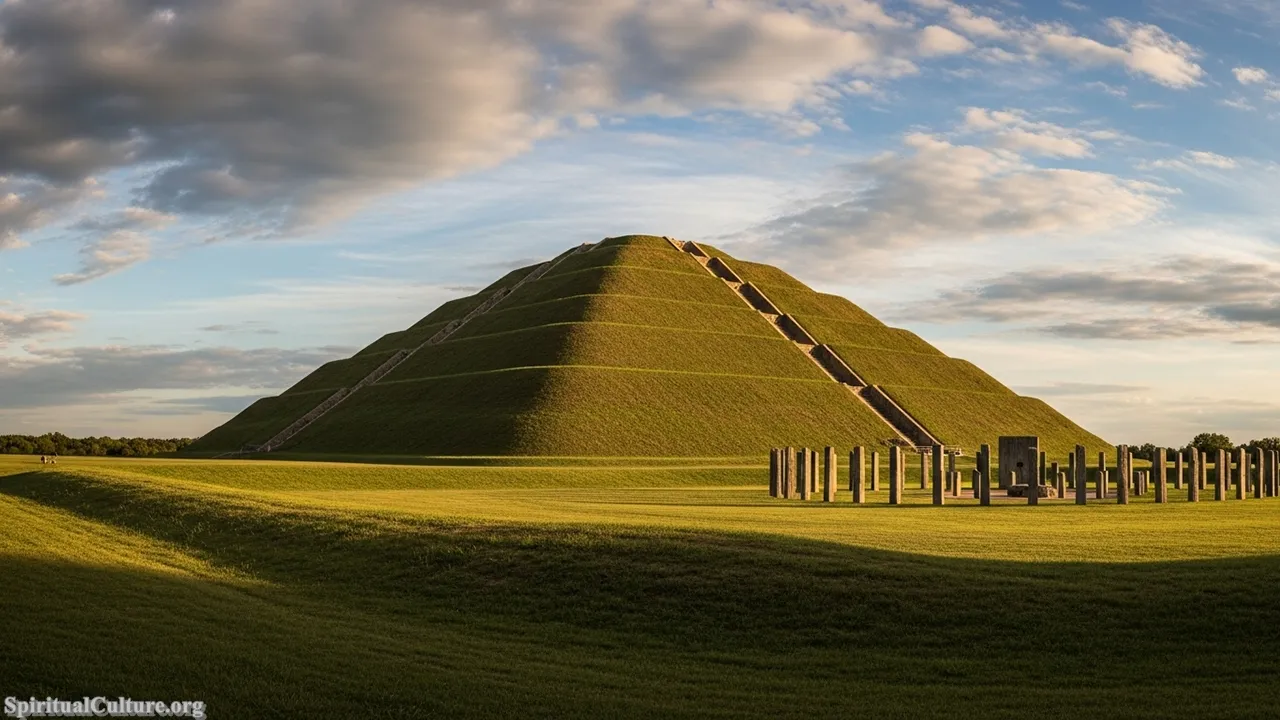
Native American sacred sites are connected to distinct tribal nations, ceremonial responsibilities, origin stories, ancestors, and relationships with land. They should not be presented as a generic list of mystical destinations.
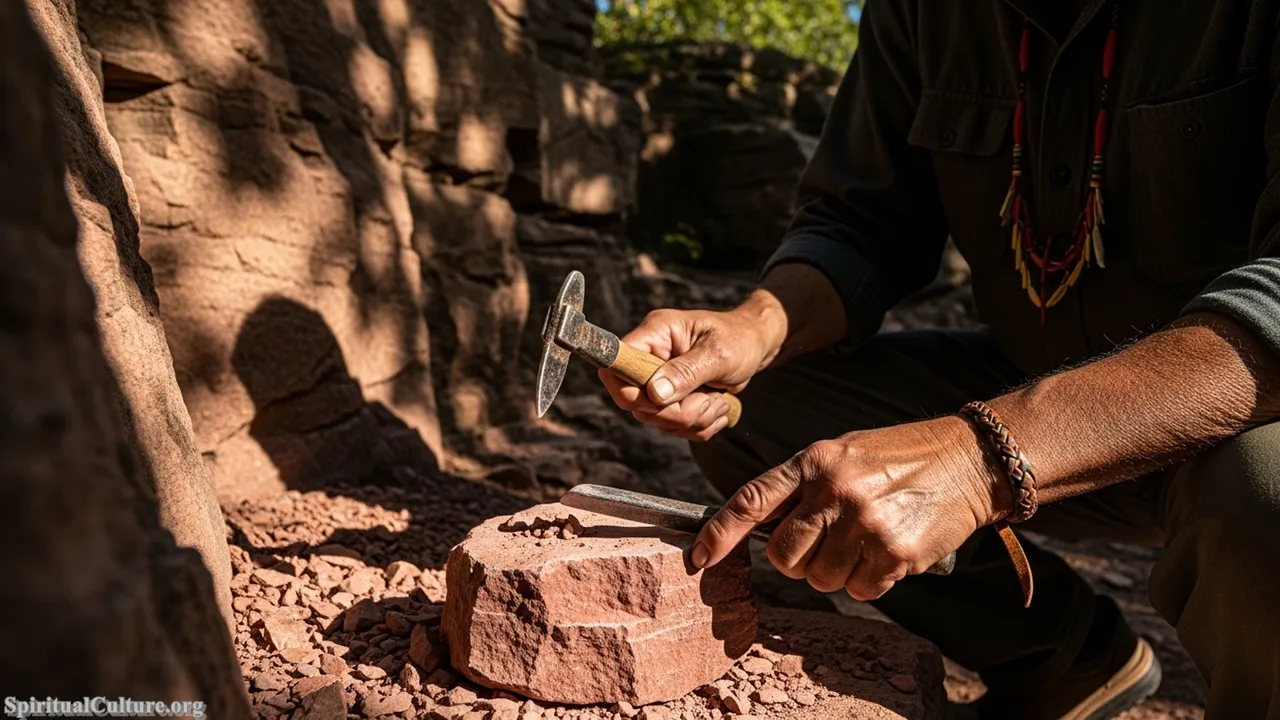
Publicly known sacred landscapes
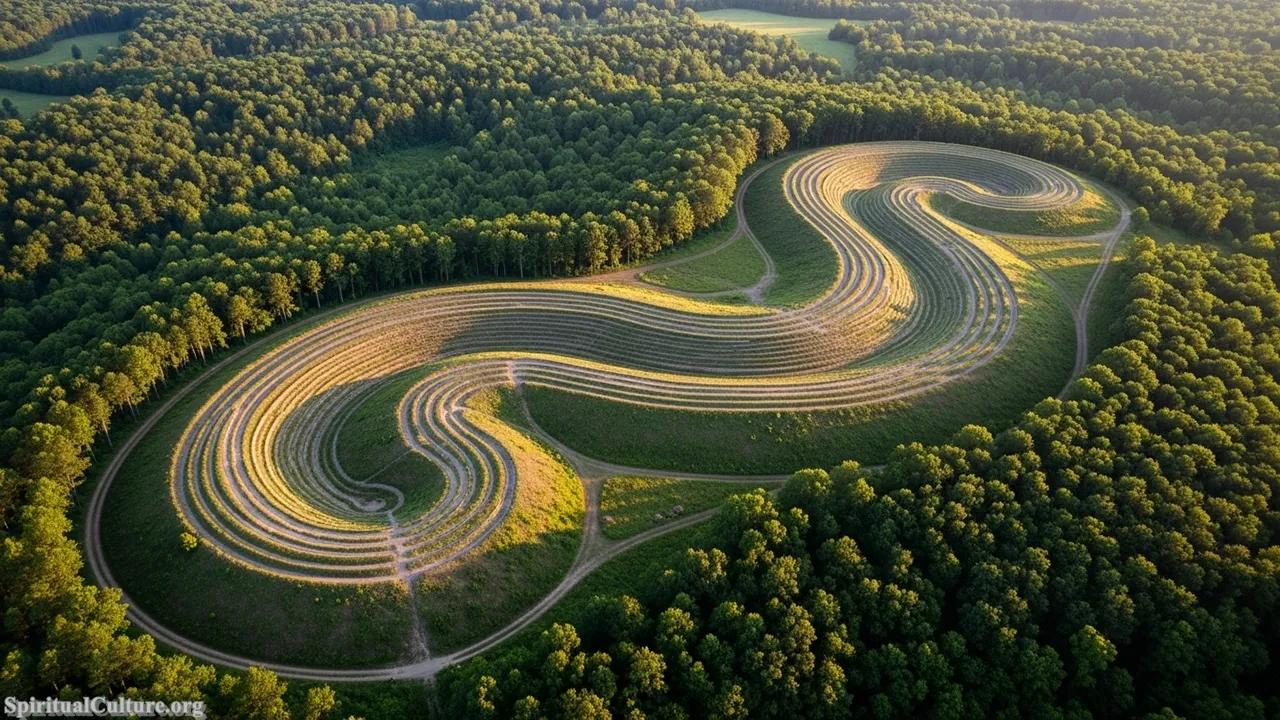
Places such as Bear Lodge/Devils Tower, Chaco Canyon, the Bighorn Medicine Wheel, Pipestone, and Bears Ears are associated with living Indigenous traditions and histories. Their meanings differ among nations, and some places have multiple tribal relationships.
Sacredness and access
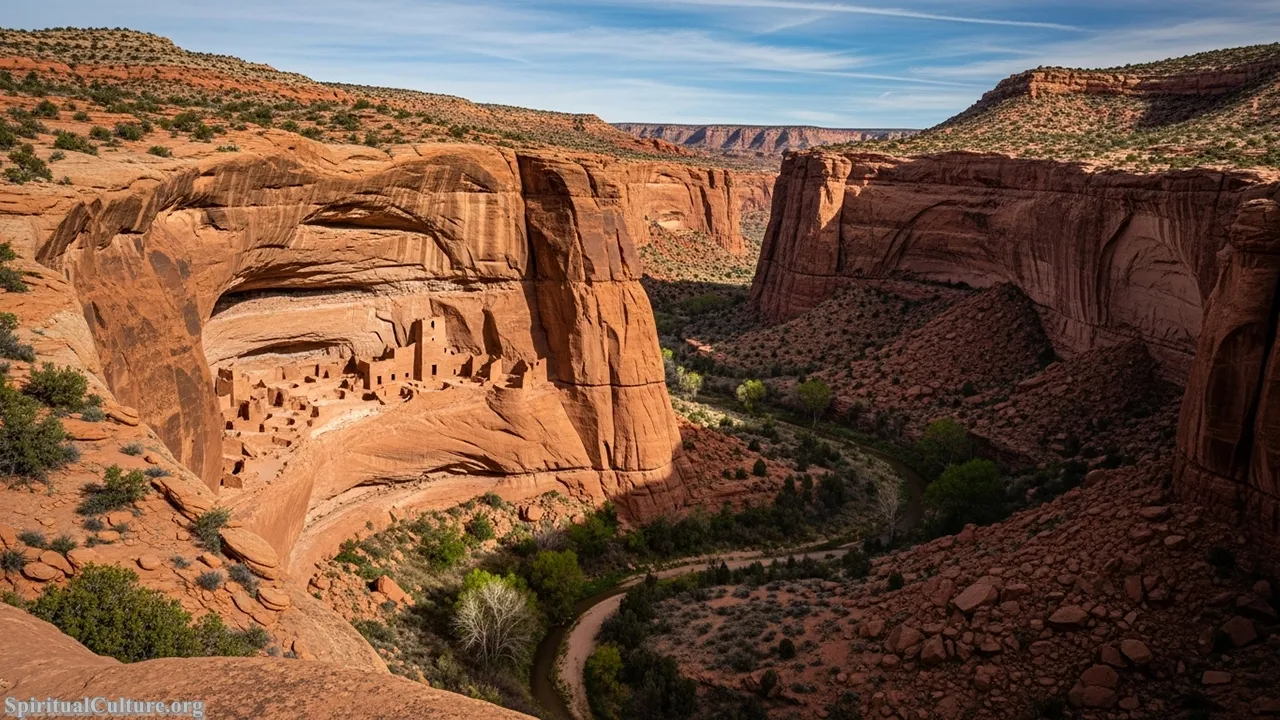
A place can remain sacred even when it is also a national monument, park, or archaeological site. Government management does not replace tribal authority over religious meaning, and public access can create conflicts over climbing, excavation, photography, and tourism.
Ceremony, ancestors, and land
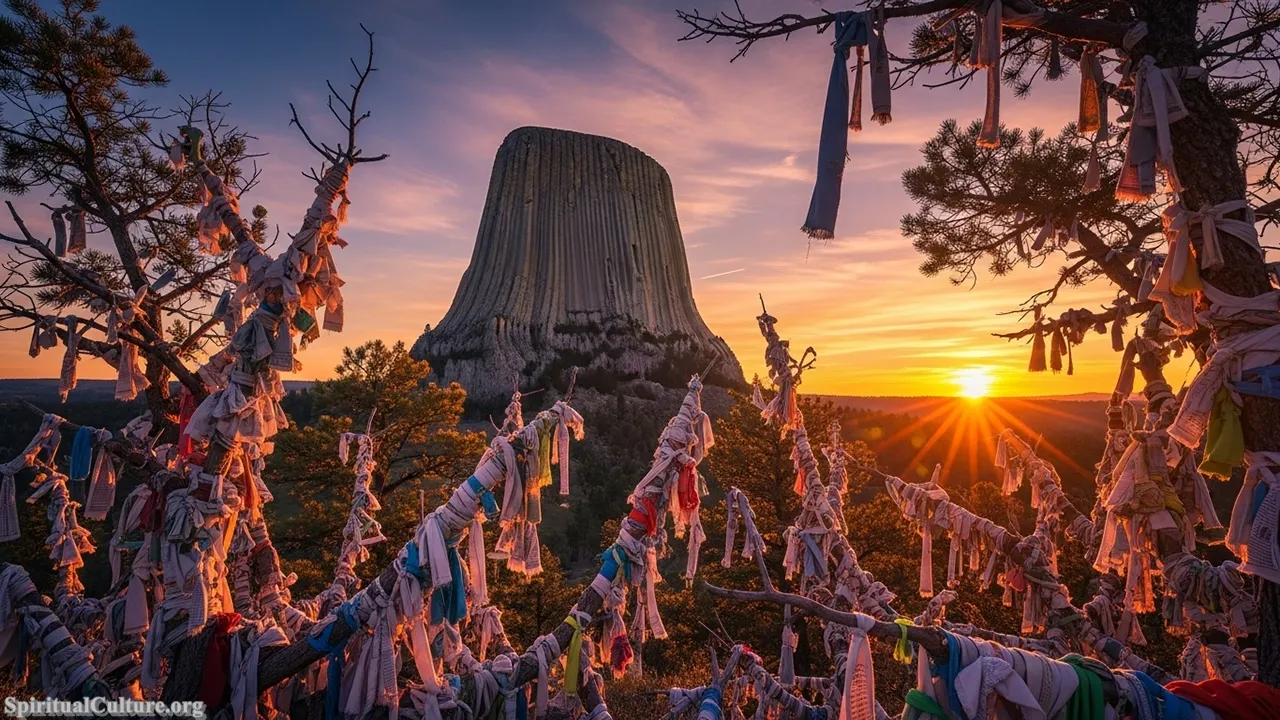
Sacred places may be used for prayer, fasting, vision seeking, offerings, burial, seasonal ceremony, or the transmission of oral history. Not every practice is appropriate for publication, and some knowledge is restricted.
Responsible heritage practice
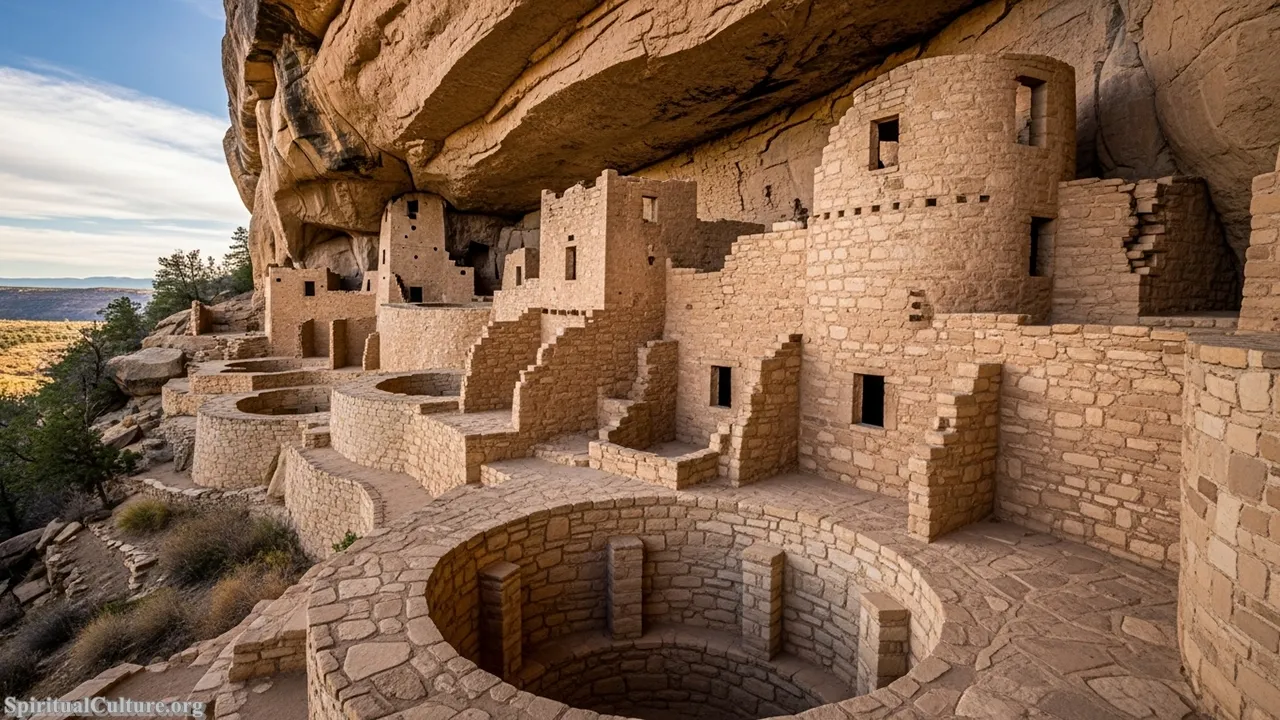
Visitors and writers should use tribal names where possible, follow community requests, avoid revealing restricted information, and distinguish archaeological interpretation from Indigenous religious authority.
Sacred meaning, heritage, and preservation
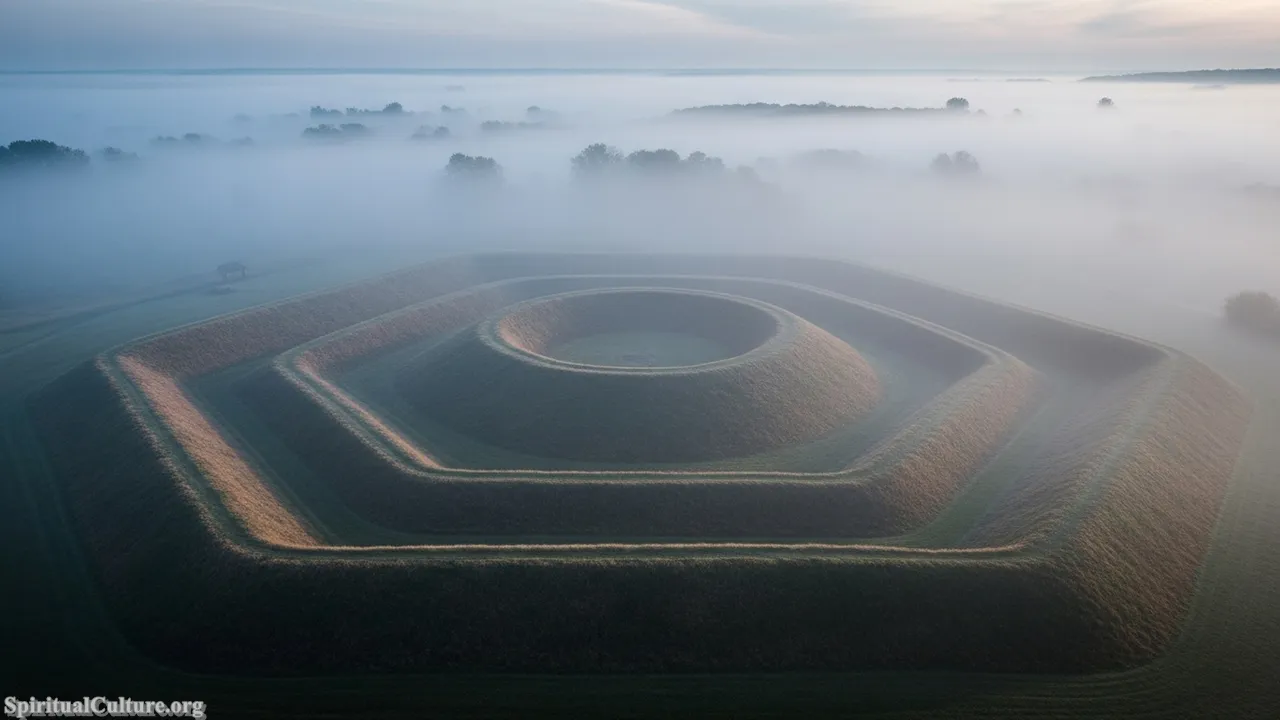
For Native American sacred places, preservation is inseparable from tribal sovereignty and living religious responsibility. A landscape may be managed by a federal or state agency while its spiritual meaning remains defined by the nations connected to it. Access, climbing, excavation, photography, naming, and interpretation can therefore become religious-freedom and cultural-authority issues, not merely visitor-management questions.
Editorial Scope
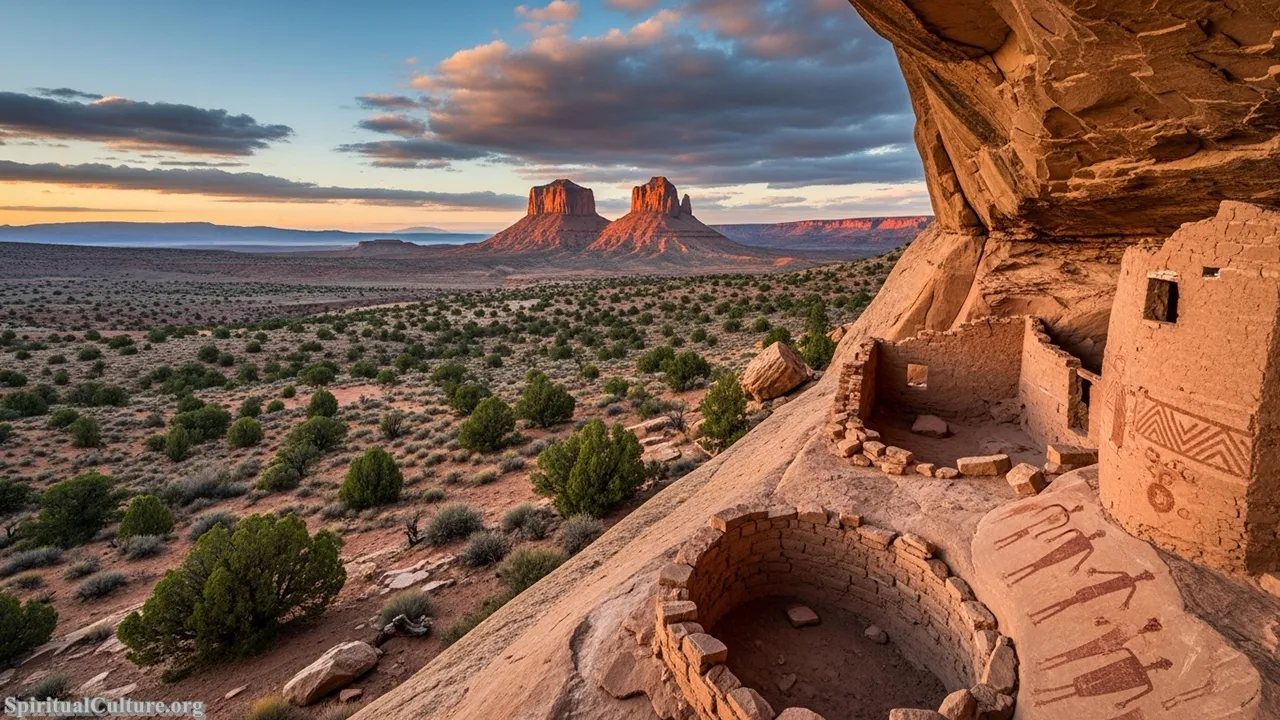
The discussion treats these places as living sacred landscapes rather than as a sightseeing list. The emphasis is on community-defined meaning, ceremony, ancestry, land relationships, and respectful limits on what outsiders should photograph, publish, or enter.