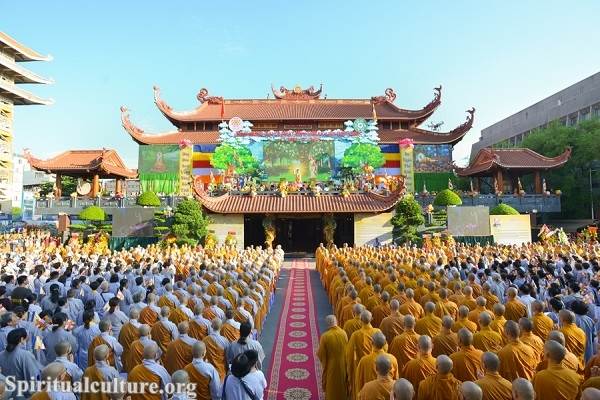
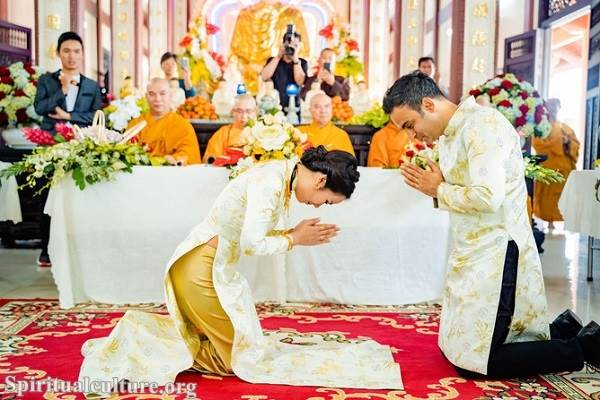
The celebration of Buddhist holidays is a significant aspect of Buddhism, a religion that is widely practiced across the globe.
As a spiritual tradition, Buddhism is rich in traditions, rituals, and holidays observed by millions of followers worldwide. These holidays commemorate various events in the life of Gautama Buddha, the founder of Buddhism, and his teachings. They offer an excellent opportunity for Buddhists to reflect on the Buddha’s teachings and apply them to their daily lives.
Understanding Buddhism
Before delving into the intricacies of a Buddhist holiday, it is crucial to have a basic understanding of Buddhism. Buddhism is a path of practice and spiritual development leading to Insight into the true nature of reality. It is based on the teachings of Siddhartha Gautama, known as the Buddha, who lived between the 6th and 4th centuries BCE in what is now Nepal and northeastern India.
Buddhism is not just a religion but a philosophy and a way of life that encourages followers to lead a moral life, be mindful and aware of thoughts and actions, and develop wisdom and understanding. Buddhism is widely practiced in many Asian countries, such as Thailand, Cambodia, Burma (Myanmar), Sri Lanka, Laos, and others. However, it has also gained significant popularity in the West over the past few decades.
Buddhist Holidays
Buddhist holidays are occasions for followers to come together, often in a temple setting, to remember the life of the Buddha and his teachings. These holidays serve as a reminder of the Buddhist path towards enlightenment and the attainment of Nirvana, the ultimate state of liberation from the cycle of birth and rebirth.
There are several important Buddhist holidays, but three are considered most significant: Vesak, Asalha Puja Day, and Bodhi Day.
Vesak, also known as Buddha Day, is perhaps the most important Buddhist holiday. It commemorates the birth, enlightenment, and death (Nirvana) of Gautama Buddha. This holiday is observed on the full moon in May or June, depending on the lunar calendar. During Vesak, Buddhists visit temples for services and teachings, make offerings, and participate in meditation and rituals that include the lighting of lanterns, a symbol of enlightenment.
Asalha Puja Day, or Dharma Day, celebrates the Buddha’s first sermon and the birth of Buddhism. This sermon set in motion the ‘Wheel of the Dharma,’ the teachings of the Buddha. Asalha Puja Day is observed on the full moon in July. On this day, Buddhists gather in temples to listen to sermons, make merit, and participate in processions and meditation.
Bodhi Day is observed on December 8th, commemorating the day that the Buddha achieved enlightenment under the Bodhi tree. On this day, Buddhists meditate, study the Dharma, chant sutras (Buddhist scriptures), and perform acts of kindness towards others.
Conclusion
Buddhist holidays provide an opportunity for followers to deepen their understanding of Buddhist teachings and cultivate virtues such as compassion, wisdom, and mindfulness. They are also occasions for communal celebration and reflection, strengthening the sense of community among Buddhists worldwide.
While the specific customs and traditions may vary across different cultures and countries, the essence remains the same: to honor the life and teachings of the Buddha and to strive to embody these teachings in daily life. Whether you are a practicing Buddhist or simply someone interested in learning more about Buddhism, participating in these holidays can offer a rich and profound spiritual experience.
Related Questions
Does Buddhism have a holy day?
These days often involve special rituals and ceremonies and may involve gathering Buddhists in temples or other places of worship.
Some common holy days in Buddhism include:
- Vesak: also known as Buddha Day or Wesak, commemorates the Buddha’s birth, enlightenment, and passing away.
- Asalha Puja: also known as Dhamma Day, marks the day when the Buddha gave his first teachings.
- Lhabab Duchen: commemorates the day when the Buddha descended from the god realm after teaching his mother.
- Saga Dawa commemorates the day when the Buddha attained enlightenment.
- Losar: the Tibetan New Year, is celebrated by Tibetan Buddhists and includes special prayers and rituals.
These are just a few examples, and the specific holy days and rituals may vary depending on the particular tradition and cultural context in which Buddhism is practiced.
What days do Buddhists celebrate?
Some common celebrations in Buddhism include:
Vesak (also known as Buddha Day or Buddha Purnima)
This is the most important holiday in Buddhism, and it celebrates the birth, enlightenment, and death of the historical Buddha, Siddhartha Gautama. It typically falls on the full moon in May in the lunar calendar.
Asalha Puja
This holiday, also known as “Dharma Day,” celebrates the Buddha’s first sermon, in which he taught the Four Noble Truths and the Eightfold Path. It typically falls in July in the lunar calendar.
Magha Puja
This holiday, also known as “Sangha Day,” commemorates the gathering of the Buddha’s first followers, who were ordained, monks and nuns. It typically falls in February in the lunar calendar.
Parinirvana Day
This holiday marks the death of the Buddha and his passing into nirvana. It typically falls in February in the lunar calendar.
Rohatsu (also known as Bodhi Day)
This holiday commemorates the Buddha’s enlightenment, which he attained under the Bodhi tree. It typically falls on December 8 in the Gregorian calendar.
In addition to these holidays, Buddhists may also celebrate other events, such as the completion of a retreat or the ordination of a new monk or nun.