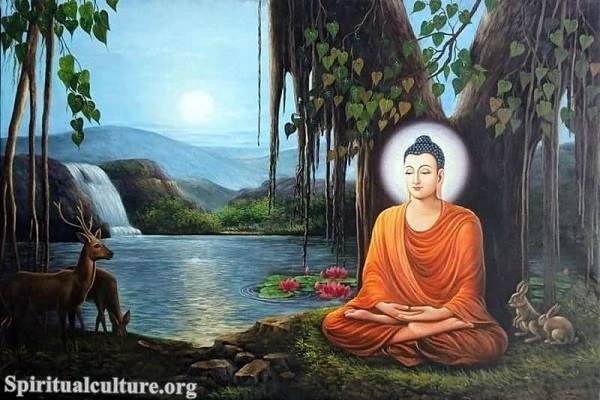
Maitreya is the future Buddha in Buddhist tradition: a bodhisattva expected eventually to appear in the world, awaken fully, and teach the Dharma after the teaching of the present Buddha, Śākyamuni, has disappeared. Buddhist sources do not provide one universally accepted modern calendar date. Spiritual Culture separates religious expectation from date prediction.
Maitreya as bodhisattva and future Buddha
The Metropolitan Museum describes Maitreya as both a bodhisattva and the Buddha of the future, reflecting his present status and expected future Buddhahood.
Residence in Tuṣita
Many Buddhist traditions describe Maitreya as dwelling in Tuṣita heaven before his future birth in the human world.
A future age
Traditional narratives place Maitreya in a distant future when Śākyamuni’s Dharma is no longer available. Chronologies differ among texts and later traditions.
Why exact dates are unreliable
Claims that Maitreya will appear in a specific Gregorian year usually depend on one interpretation of a complex body of Buddhist cosmology.
Across Buddhist traditions
Expectation of a future Buddha appears beyond Mahayana alone, while Mahayana cultures developed especially rich devotional and artistic traditions around Maitreya.
Maitreya in art
Ancient Gandharan sculpture often identifies Maitreya through a water flask and princely or ascetic features. East Asian representations developed additional forms.
Not the historical Buddha
Śākyamuni or Gautama is the Buddha of the current dispensation. Maitreya belongs to a future era in traditional Buddhist cosmology.
Religious meaning
Maitreya devotion can express hope for renewal, merit-making, aspiration for rebirth in Tuṣita, and confidence in the continuing possibility of awakening.
Why Maitreya has inspired communities
Across Asia, Maitreya devotion has supported temple building, image making, aspiration prayers, and hopes for future renewal. These practices differ by region and should not be reduced to one apocalyptic expectation about the end of the present age.
Differences across traditions
The safest answer is that Buddhist traditions expect Maitreya in a future age but do not provide a single reliable modern date. Fixed-date claims should be treated as interpretation, not universal doctrine.