A Protestant church is a Christian congregation or denomination belonging to one of the many traditions that developed from, or were shaped by, the Protestant Reformation and its later movements. Protestantism is not one centralized church, so beliefs, worship styles, sacraments, and governance can differ substantially.
Origins in the Reformation
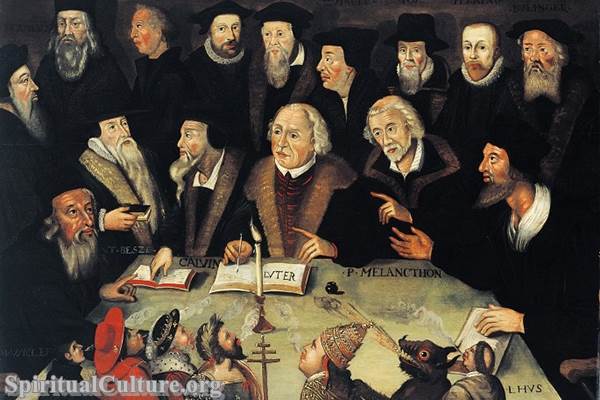
The Protestant Reformation began in sixteenth-century Europe amid disputes about doctrine, Church authority, pastoral practice, money, politics, and reform. Martin Luther, Huldrych Zwingli, John Calvin, and other reformers rejected or reinterpreted aspects of late medieval Western Catholicism.
Some churches, such as Lutheran and Reformed traditions, emerged directly from Reformation movements. Anglicanism developed through the English Reformation with its own complex relationship to Protestant and catholic traditions. Later Baptist, Methodist, evangelical, Pentecostal, and independent churches added further diversity.
Common Protestant emphases
No single list applies to every Protestant church, but several themes are widespread. Protestant traditions generally give Scripture a uniquely authoritative role, emphasize salvation through God’s grace received in faith, and reject the universal jurisdiction of the pope.
Many also emphasize preaching, Bible reading, congregational singing, personal faith, and the priesthood of all believers. The exact meaning of these ideas varies by denomination.
Sacraments or ordinances
Lutherans, Reformed Christians, Anglicans, Baptists, Methodists, Pentecostals, and other Protestants do not all understand sacraments in the same way. Baptism and the Lord’s Supper are central across most traditions, but beliefs about what happens in these rites differ.
Some churches use the word sacrament, while others prefer ordinance. Some baptize infants; others baptize only people who personally profess faith.
How Protestant churches are governed
Church government can be episcopal, presbyterian, congregational, or a combination. An episcopal system is led by bishops; a presbyterian system gives structured authority to elders and councils; congregational systems give substantial authority to the local congregation.
Independent churches may be linked through networks rather than traditional denominations.
What worship looks like
A Protestant service may include Scripture readings, sermons, prayers, hymns or contemporary music, baptism, Communion, testimony, and community announcements. Some traditions use formal liturgies; others prefer flexible services.
This means a quiet Lutheran liturgy, a Reformed service focused on preaching, a Baptist congregation, and a Pentecostal worship gathering can all be Protestant while looking very different.
Protestant is not the same as non-Catholic Christian
Eastern Orthodox and Oriental Orthodox Christians are not normally classified as Protestant. They have histories that predate the Reformation. Protestantism refers to a particular family of Western Christian traditions and their descendants.
For more background, see Protestantism and Christianity.