Buddhism
What happens if a Buddhist breaks a rule?
In Buddhism, “breaking a rule” depends on the context and rule being considered.
Religion and belief
Explore the archive
In Buddhism, “breaking a rule” depends on the context and rule being considered.
Muslims and Buddhists are not the same. They are two distinct religions with different beliefs and practices.
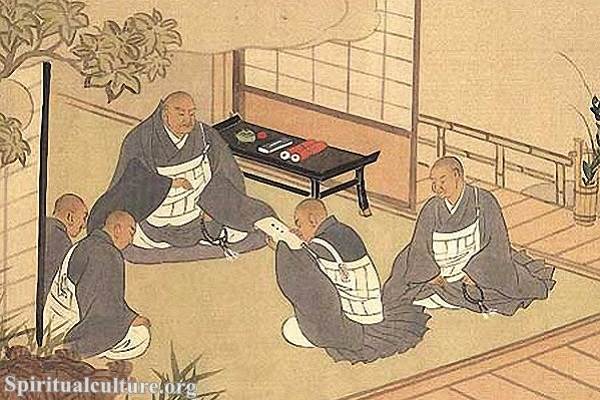
Zen Buddhism is a branch of Mahayana Buddhism that originated in China but has since spread to other parts of Asia and the West.
Pavarana Day is an integral part of the Buddhist calendar, marking the end of the three-month-long ‘rains retreat’ known as Vassa.
Buddhism does not have any strict rules about alcohol consumption.
“Buddha” is a title given to Siddhartha Gautama, an ancient Indian prince who lived around 2500 years ago and is considered the founder of Buddhism.
The Four Foundations of Mindfulness are a key teaching in Buddhist meditation practice, which involves the development of mindfulness in four areas of focus.
Buddhism has a set of ethical guidelines and principles that are not rigid “rules” in the traditional sense but rather recommendations for leading a moral and virtuous life.
Thanksgiving celebrated on the fourth Thursday in November, is a national holiday in the United States, Canada, some Caribbean islands, and Liberia. It is…