Pakistan’s spiritual culture is predominantly Islamic, with strong Sunni and Shia traditions, influential Sufi lineages, and important Sikh, Hindu, Christian, and other minority heritage. Understanding Pakistan through religion and sacred heritage gives a clearer picture than treating culture only as food, tourism, or national symbols.
Religious traditions and everyday practice

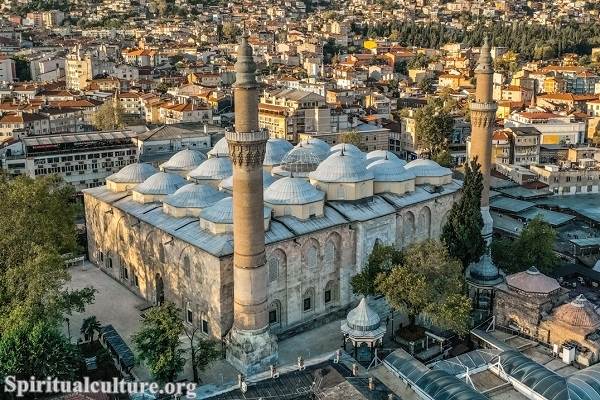
Mosque worship, Qur’anic learning, Ramadan, Eid, charity, and family rites are central to Muslim life. Sufi shrines such as those associated with major saints have long been centers of pilgrimage, music, charity, and popular devotion, although some Muslims criticize shrine practices.
Sacred places and religious heritage
Pakistan also contains sacred sites central to Sikh history, including Nankana Sahib and the Kartarpur corridor, along with Hindu temples, Christian churches, and sites linked to ancient Buddhist civilizations.
Festivals, rituals, and community life
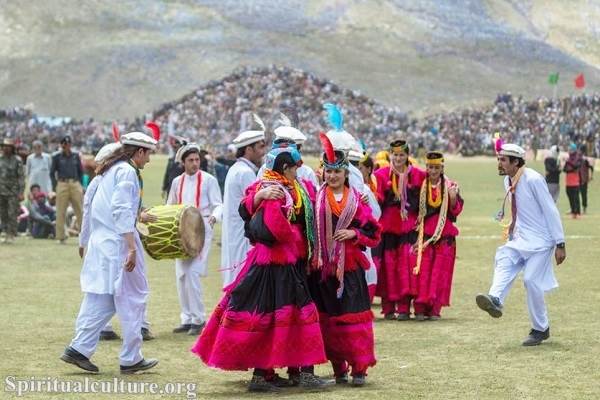
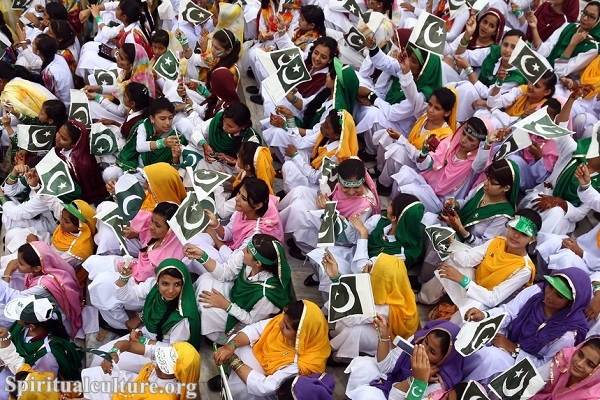
Ramadan, Eid, Muharram commemorations, Sufi urs festivals, Sikh gurpurabs, Hindu festivals, and Christian celebrations create different ritual calendars. Public visibility and freedom vary among communities.
Living spiritual culture

Pakistan’s spiritual culture should be described in a way that recognizes both the country’s Islamic identity and the deep historical presence of minority traditions and shared sacred landscapes.
Religious diversity in context
Islam is central to Pakistan’s religious identity, but Muslim life includes substantial internal diversity. Sunni traditions are numerically dominant, Shia communities have major institutions and commemorative traditions, and Sufi shrines have long served as centers of pilgrimage, charity, music, and devotional practice. Reform movements and scholars differ over shrine devotion, law, authority, and public religious practice.
Pakistan also preserves important Sikh, Hindu, Christian, and Buddhist heritage. Some minority communities face serious social and legal pressures, so heritage should not be discussed only as architecture; the conditions of living communities are part of the religious landscape.
Festivals, pilgrimage, and sacred memory
Ramadan, Eid al-Fitr, Eid al-Adha, Friday prayer, Muharram and Ashura observances, and Sufi urs festivals structure different Muslim communities. Sikh pilgrimage is especially associated with Nankana Sahib and Kartarpur, while Hindu temples and Christian churches sustain their own festivals and community memories.
Pakistan’s sacred geography also reaches back to ancient Buddhist civilizations such as Gandhara. These archaeological layers belong to the country’s history even though the communities that created them no longer form the religious majority.
Historical change and regional variation
Pakistan’s religious landscape grew from the long interaction of South Asian Islam, Sufi networks, Shia and Sunni scholarship, Sikh and Hindu sacred geography, colonial rule, partition, and modern state formation. Migration and political change have altered the visibility and security of some communities while leaving a deeply layered sacred landscape.
Reading Pakistan’s spiritual culture carefully
Islam is central to national life, but Muslim practice is internally diverse and minority traditions remain historically important. Shrine devotion, mosque-centered reform movements, Shia commemorations, Sikh pilgrimage, Hindu temples, and Christian churches should not be treated as interchangeable expressions of one culture.