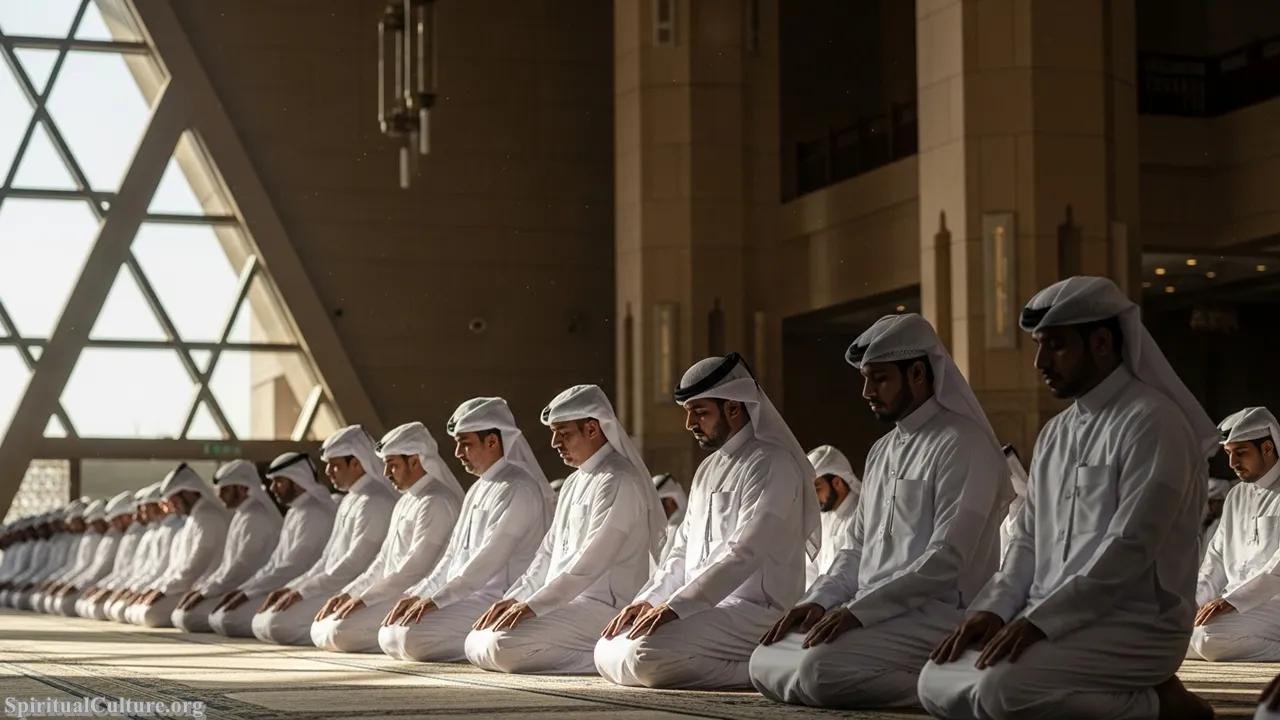
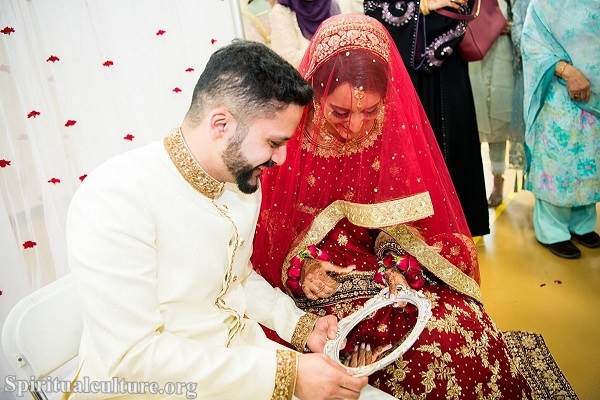
Turkmenistan’s spiritual culture reflects Sunni Islam, local saint and pilgrimage traditions, Turkic customs, an Orthodox Christian minority, and the legacy of Soviet secularization. Public religious life also exists within a tightly regulated state environment, so formal institutions and everyday family or local practice do not always tell the same story.
Turkmenistan’s spiritual culture is shaped mainly by Sunni Islam, local Sufi and saint traditions, Turkic customs, an Orthodox Christian minority, and the legacy of Soviet secularization. Understanding Turkmenistan through religion and sacred heritage gives a clearer picture than treating culture only as food, tourism, or national symbols.
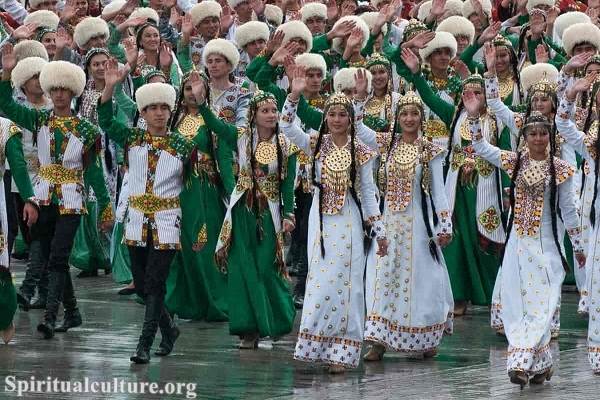
Religious traditions and everyday practice

Islam arrived in the region through centuries of trade, scholarship, and political change. Religious practice today includes mosque worship, family rites, pilgrimage to respected graves, and customs that combine Islamic devotion with local ideas about blessing and sacred ancestry.
Sacred places and religious heritage
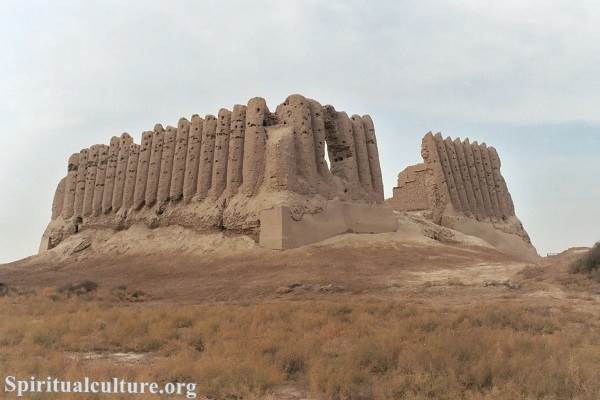
Historic Silk Road settlements, mausoleums, mosques, and pilgrimage places preserve the religious history of Central Asia. Russian Orthodox churches represent another major historical layer, especially from the imperial and Soviet periods.
Festivals, rituals, and community life
Ramadan, Eid, funerary customs, pilgrimage, and family ceremonies remain important. Seasonal celebrations such as Nowruz also connect Turkmen communities with a wider Central Asian cultural world.
Living spiritual culture
Turkmenistan’s spiritual culture is not fully captured by formal religious affiliation. Soviet history, state regulation, family tradition, pilgrimage, and local sacred memory all influence contemporary practice.
Religious diversity in context
Turkmen religious culture is predominantly connected with Sunni Islam, but lived practice also includes family customs, shrine visitation, Sufi memory, and regional traditions that survived decades of Soviet secularization. Russian Orthodox Christianity is the most visible non-Muslim institutional tradition, while other religious communities remain comparatively small.
Public religious institutions operate within a strongly regulated political environment. For that reason, official mosques and registered organizations do not necessarily reveal the full range of household devotion, pilgrimage, and customary practice.
Festivals, pilgrimage, and sacred memory
Ramadan and Eid are important Islamic observances, while Nowruz has broader pre-Islamic and regional roots across Central Asia. Visits to local sacred places, saints’ tombs, and healing sites can connect Islamic devotion with family memory and local landscape.
Historic Silk Road cities and archaeological sites add older religious layers, including Buddhist, Zoroastrian, and other pre-Islamic traditions. These are part of Turkmenistan’s cultural history even where they no longer represent large living communities.
Historical change and regional variation
Turkmenistan’s religious culture reflects Central Asian Sunni Islam, Sufi memory, local pilgrimage, clan and family custom, and the long impact of Russian and Soviet rule. Mosques and Islamic observance have revived since the Soviet period, while state regulation continues to shape public religious institutions.
Reading Turkmen spiritual culture carefully
Formal affiliation does not reveal every aspect of practice. Family ceremonies, visits to local sacred places, Nowruz traditions, Islamic prayer, and older cultural customs can overlap, and the balance between public religion and private devotion differs across communities.