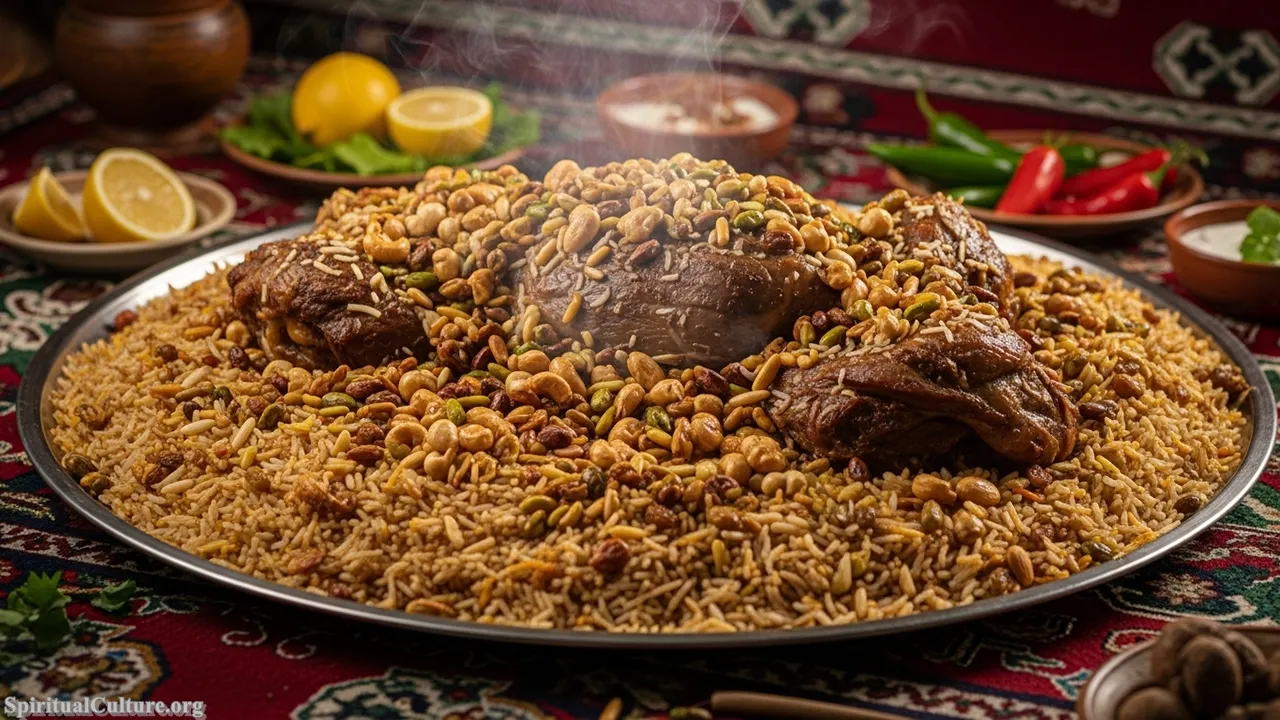
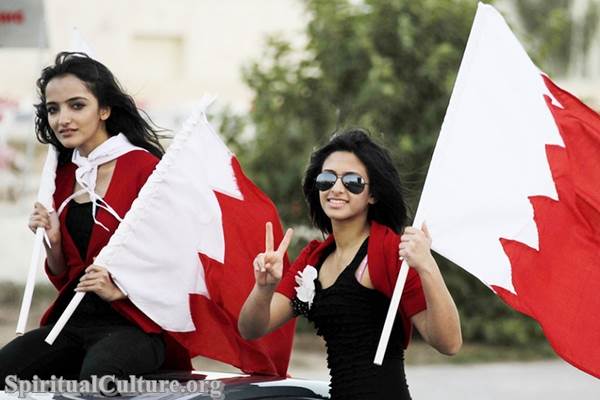
Bahrain’s spiritual culture is rooted in Islam, with both Sunni and Shia communities playing major roles, while Christian, Hindu, Jewish, and other minority traditions reflect the island’s long history of Gulf trade. Understanding Bahrain through religion and sacred heritage gives a clearer picture than treating culture only as food, tourism, or national symbols.
Religious traditions and everyday practice
Muslim religious life includes mosque worship, Qur’anic teaching, Ramadan, Eid, charity, and family rites. Shia communities have particularly visible devotional traditions connected with the remembrance of Imam Husayn and the month of Muharram.
Sacred places and religious heritage
Historic sites such as Khamis Mosque reflect the long Islamic history of the islands. Manama and surrounding communities also include churches, Hindu temples, and a synagogue, illustrating Bahrain’s role as a commercial crossroads with longstanding migrant and minority communities.
Festivals, rituals, and community life
Ramadan and the Eids are major public seasons. Muharram processions and mourning gatherings are significant for many Shia Bahrainis. Religious festivals among expatriate communities add further diversity to the annual calendar.
Living spiritual culture
Bahrain’s spiritual culture is best approached through its layered history: Islamic devotion, sectarian diversity, maritime exchange, family tradition, and minority religious institutions all contribute to the cultural landscape.
Religious diversity in context
Bahrain contains long-established Sunni and Shia Muslim communities whose mosques, religious schools, family networks, and commemorative practices form the core of the island’s religious life. Its history as a Gulf trading center also supported Christian, Hindu, Jewish, and other communities, and some of these institutions have roots extending back many decades.
Sunni and Shia traditions share the central foundations of Islam but differ in religious authority, devotional history, and some ritual practices. These differences are especially visible during Muharram, while everyday mosque worship, Ramadan, charity, and family observance also unite many aspects of Muslim life.
Festivals, pilgrimage, and sacred memory
Ramadan and the two Eids are major public occasions. Muharram and Ashura commemorations are highly visible in Shia communities, with processions, sermons, mourning gatherings, and charitable activity. Churches, a Hindu temple, and a synagogue reflect Bahrain’s history of religious diversity within the Gulf.
Because Bahrain is small and urbanized, sacred places often sit close to commercial and residential life. This makes religious heritage part of the ordinary geography of neighborhoods rather than something confined to isolated monuments.
Historical change and regional variation
Bahrain’s spiritual life reflects the long presence of Sunni and Shia Islam together with the island’s history as a Gulf trading center. Merchant networks and migration helped sustain Christian, Hindu, Jewish, and other communities alongside mosques, Qur’anic learning, Muharram observance, and family religious traditions.
Reading Bahrain’s spiritual culture carefully
Sunni and Shia communities have distinct institutions and devotional calendars, while expatriate communities add further diversity. A national overview should therefore separate majority Islamic traditions, sectarian differences, and minority religious life rather than treating them as a single undifferentiated culture.