Korean spiritual culture reflects a long interaction among Buddhism, Confucian ancestral traditions, shamanic practice, Christianity, and modern secular life. Understanding Korea through religion and sacred heritage gives a clearer picture than treating culture only as food, tourism, or national symbols.

Religious traditions and everyday practice

Buddhism has shaped temples, Seon meditation, monastic life, art, and mountain sacred sites for centuries. Confucianism influenced family ethics, ancestor rites, education, and state ritual. Korean shamanic traditions continue through ritual specialists and ceremonies addressing spirits, fortune, healing, and family concerns.
Sacred places and religious heritage
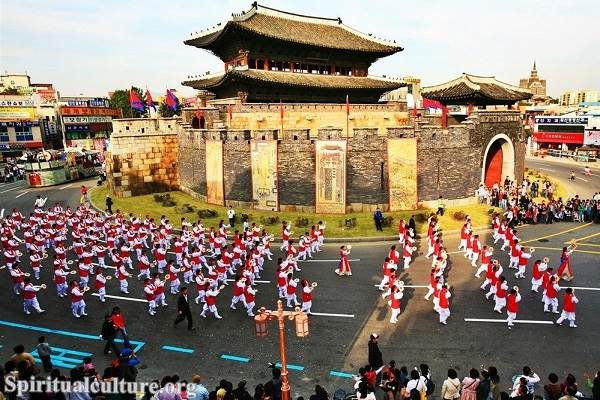
Christianity became especially influential in modern Korea, particularly in South Korea, where Protestant and Catholic communities are highly visible. Historic Buddhist monasteries, Confucian shrines, churches, and shamanic sacred places coexist in the cultural landscape.
Festivals, rituals, and community life
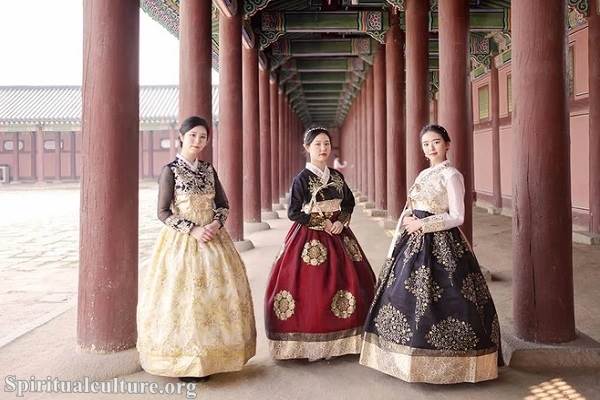
Ancestor memorial rites, Buddha’s Birthday, temple-stay culture, Christian worship, and local shamanic ceremonies represent different forms of living practice. Their importance varies by region, generation, and family.
Living spiritual culture
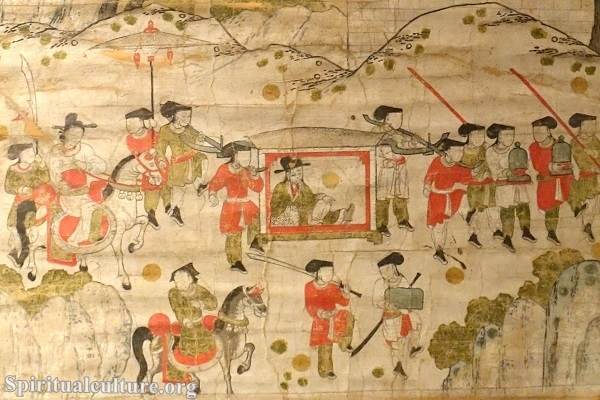
Korean spiritual culture is not a simple sequence in which one religion replaced another. Older traditions continue to interact with Christianity, modern institutions, and changing ideas about identity and family.
Religious diversity in context
Korean spiritual culture cannot be reduced to one dominant religion. Buddhism has a long monastic and artistic history, Christianity became highly influential in modern South Korea, and shamanic traditions continue through ritual specialists, healing, divination, and community ceremonies. Confucian ethics and ancestral rites have shaped family and social life even among people who do not describe Confucianism as a personal religion.
Modern new religions and nonreligious identities add further complexity. The situation in North Korea is very different from South Korea because state policy has sharply constrained independent religious institutions, so “Korean religion” needs political as well as historical context.
Festivals, pilgrimage, and sacred memory
Buddha’s Birthday, Christmas, temple ceremonies, church worship, shamanic rites, and ancestral remembrance around Seollal and Chuseok show different layers of Korean sacred life. Mountain temples and pilgrimage sites often connect Buddhism with landscapes long associated with local spiritual meaning.
Modern cities contain megachurches, Buddhist centers, shrines, and new religious organizations, while family memorial practices continue to link religion with kinship and memory across generations.
Historical change and regional variation
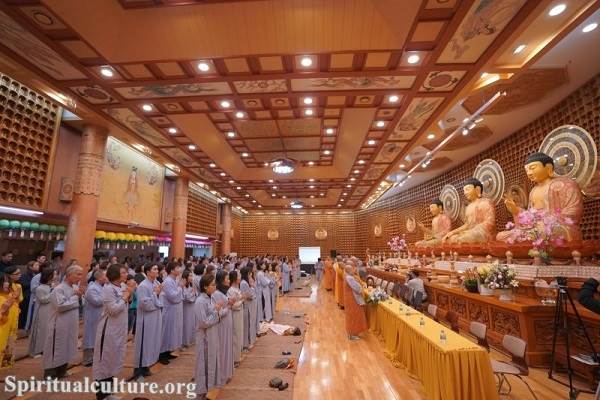
Korean religious culture has been shaped by Buddhism, Confucian ritual, shamanic traditions, Christianity, modern new religions, colonial history, war, and rapid industrialization. In South Korea especially, urban churches, Buddhist temples, ancestral rites, and shamanic practices coexist within a highly modern society.
Reading Korean spiritual culture carefully
“Korean religion” is not one system. Practices differ between North and South Korea, between generations, and among Buddhist, Christian, Confucian, shamanic, and nonreligious households. Ancestral remembrance may remain culturally important even where formal religious affiliation is weak.