The United States has a highly plural religious landscape shaped by Christianity, Judaism, Islam, Buddhism, Hinduism, Indigenous religions, African diasporic traditions, new religious movements, and a large unaffiliated population. Understanding the United States through religion and sacred heritage gives a clearer picture than treating culture only as food, tourism, or national symbols.
Religious traditions and everyday practice
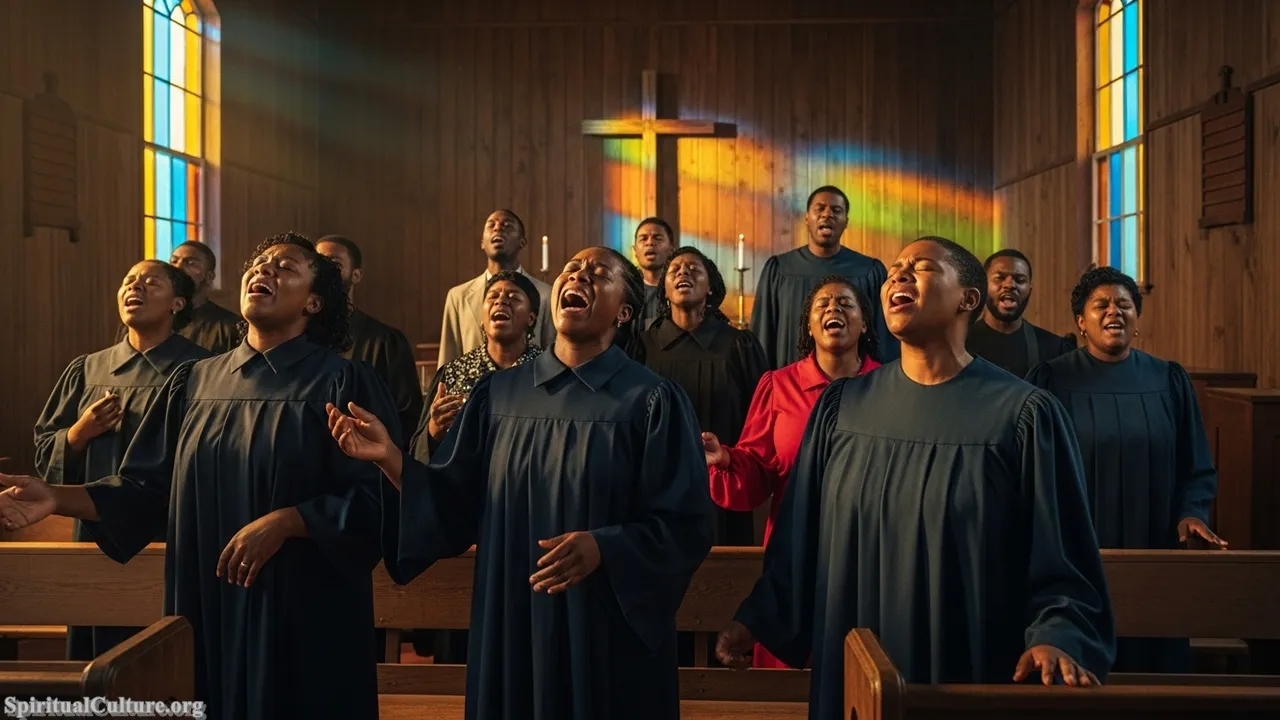
Christianity remains historically influential, but it includes Catholic, Orthodox, Protestant, evangelical, Black church, Pentecostal, Latter-day Saint, and many independent traditions. Immigration has expanded Muslim, Hindu, Buddhist, Sikh, and other communities, while Jewish life has deep roots in many cities.
Sacred places and religious heritage
Indigenous nations maintain distinct sacred relationships with land, ceremony, ancestors, and community authority. These traditions should not be generalized into one “Native religion,” and some ceremonies or locations are not intended for public access.
Festivals, rituals, and community life
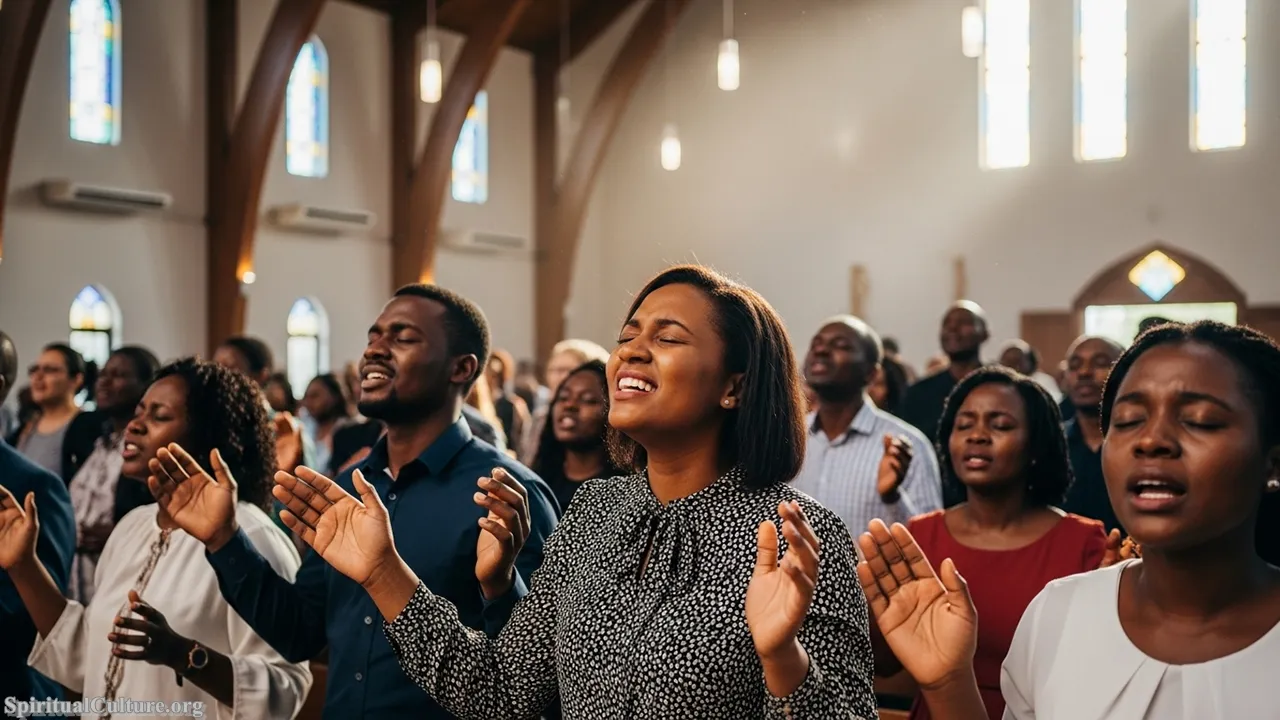
Religious life appears in churches, synagogues, mosques, temples, gurdwaras, meditation centers, pilgrimage sites, cemeteries, and sacred landscapes. Holidays and public rituals reflect both religious diversity and debates about religion in civic life.
Living spiritual culture
American spiritual culture is best understood through pluralism and historical change. Religious freedom, migration, racial history, Indigenous sovereignty, revival movements, and secularization all shape how communities practice and understand the sacred.
Religious diversity in context
Christianity remains the largest historical religious influence in the United States, but it includes Catholic, Orthodox, mainline Protestant, evangelical, Pentecostal, Black church, Latter-day Saint, independent, immigrant, and many other communities. Jewish life has deep roots, while Muslim, Hindu, Buddhist, Sikh, Jain, Bahá’í, and other traditions have expanded through both long-standing communities and migration. A large and growing share of Americans also identify with no organized religion.
Indigenous nations maintain distinct spiritual traditions connected with land, kinship, ceremony, and sovereignty. African American religious history, including churches and African diasporic traditions, is also essential to understanding how faith, race, freedom, and community developed in the United States.
Festivals, sacred places, and public life
Churches, synagogues, mosques, temples, gurdwaras, meditation centers, cemeteries, pilgrimage shrines, and Indigenous sacred landscapes all form part of American religious geography. Christmas, Easter, Passover, Ramadan and Eid, Diwali, Vesak, Indigenous ceremonies, and many other observances appear in different communities.
Religious freedom and church-state debates shape public life, but legal equality does not mean every tradition has had the same historical experience. Immigration, slavery, colonization, civil-rights movements, and changing attitudes toward religion all affect how communities understand their place in the country.
Historical change and regional variation
Religious life in the United States has been shaped by colonial histories, Indigenous sovereignty, slavery and Black church traditions, immigration, revival movements, new religious communities, legal debates over religious freedom, and growing religious disaffiliation. These forces have produced very different local landscapes rather than one national pattern of belief.
Reading American spiritual culture carefully
National statistics cannot fully describe lived religion. A congregation in the rural South, a mosque in a large immigrant city, an Indigenous sacred landscape, a Hindu temple, a Jewish community, or a Buddhist center may each relate to American identity in different ways, and some people combine religious and nonreligious forms of belonging.