Cambodian spiritual culture is centered on Theravada Buddhism but also includes ancestor veneration, local spirit traditions, Brahmanical elements, and minority religious communities. Understanding Cambodia through religion and sacred heritage gives a clearer picture than treating culture only as food, tourism, or national symbols.
Religious traditions and everyday practice
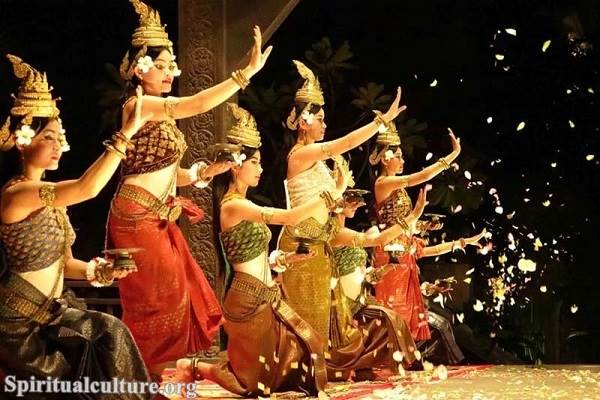
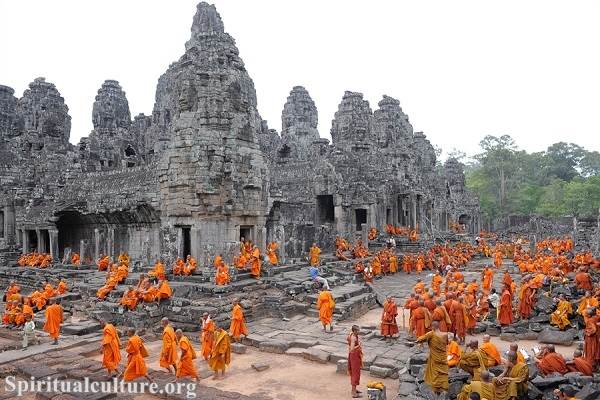
Theravada monks and pagodas play important roles in education, funerals, merit-making, festivals, and village life. Alongside Buddhism, many Cambodians honor neak ta or local spirits and maintain family practices connected with ancestors.
Sacred places and religious heritage
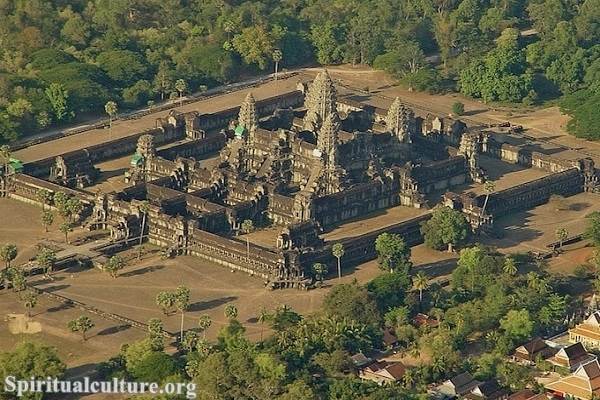
Angkor Wat began as a Hindu temple and later became a major Buddhist site, illustrating Cambodia’s layered religious history. Contemporary pagodas, monasteries, spirit shrines, and sacred mountains continue to shape local religious landscapes.
Festivals, rituals, and community life
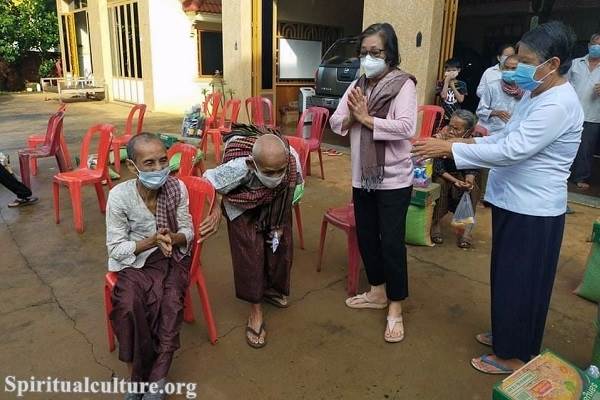
Pchum Ben, Khmer New Year, Visak Bochea, Kathina, and other Buddhist observances connect monastic communities with lay donors and families. Ancestor remembrance is especially visible during Pchum Ben.
Living spiritual culture
Cambodia’s spiritual culture cannot be separated from the trauma and recovery of the twentieth century. Monasteries and religious communities have been rebuilt, and living traditions continue to connect Buddhism, ancestors, local spirits, and Khmer cultural memory.
Religious diversity in context
Theravada Buddhism is central to Cambodian public and village life, especially through monasteries, monks, merit-making, funerals, and the education and ritual roles historically associated with the wat. Buddhist practice coexists with ancestor remembrance, protective spirits, neak ta guardians, healing traditions, and older Hindu-Buddhist layers visible in royal and temple heritage.
Cambodia also includes Cham Muslim communities, Christians, Chinese religious traditions, and Indigenous peoples with distinct spiritual practices. The destruction of religious institutions during the Khmer Rouge period makes twentieth-century recovery an essential part of understanding contemporary sacred life.
Festivals, pilgrimage, and sacred memory
Pchum Ben centers strongly on ancestors and merit-making, while Khmer New Year, Visak Bochea, Kathina, temple festivals, and local spirit observances connect monasteries with family and village life. Muslim and Christian communities follow their own calendars and institutions.
Angkor is globally famous as heritage, but Cambodia’s living sacred geography also includes active neighborhood monasteries, pilgrimage sites, spirit shrines, cemeteries, and household altars. Sacred meaning continues outside monumental archaeology.
Historical change and regional variation
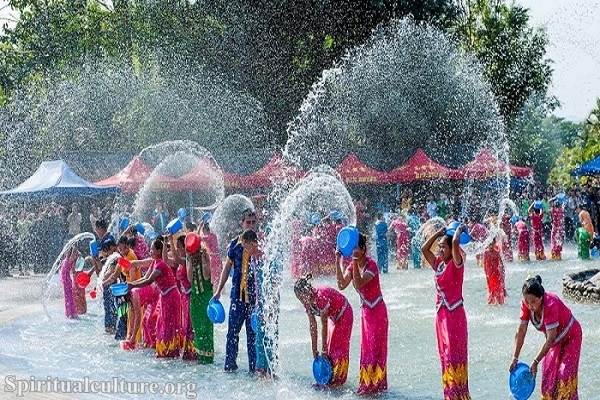
Cambodian religious life has been shaped by Theravada Buddhism, older Hindu-Buddhist court traditions, local spirit practices, and the severe disruptions of war and the Khmer Rouge period. The rebuilding of monasteries and religious institutions became part of wider cultural recovery in the late twentieth century.
Reading Cambodia’s spiritual culture carefully
Temple Buddhism is central, but household ancestors, neak ta spirits, healing traditions, and regional customs also matter. Understanding Cambodian spiritual culture requires attention to both formal monastic institutions and local practices that families may not describe as separate religions.